



































Common problems and emergency response guidelines for industrial dust collectors and equipment failures
Jan 08,2026
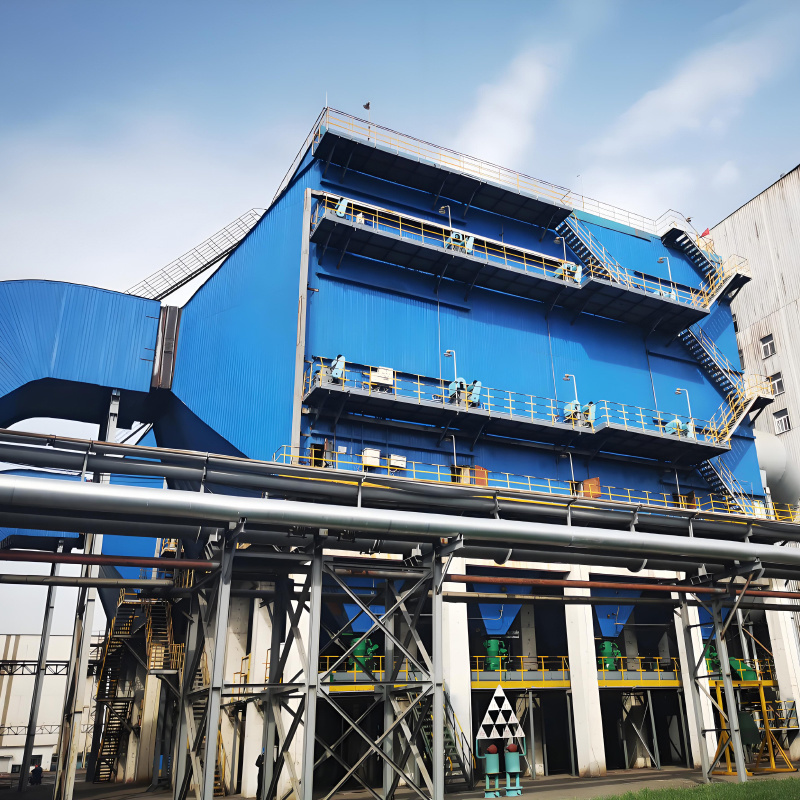
As the core equipment for dust control in industrial production processes, the stable operation of industrial dust collectors is directly related to production safety, environmental standards, and production efficiency. In the long-term operation and maintenance process, dust collectors are inevitably prone to various problems and malfunctions due to factors such as fluctuations in working conditions, operating standards, and equipment aging. This article will objectively sort out the common operating problems and causes of industrial dust collectors, and provide scientifically feasible emergency response plans, providing technical reference for relevant operation and maintenance personnel.
1、 Common operating problems and solutions of industrial dust collectors
The common problems of industrial dust collectors are mainly focused on core dimensions such as purification efficiency, operating status, and energy consumption. The common problems and targeted solutions of different types of dust collectors (bag type, filter cartridge type, electrostatic type, spray type, etc.) are as follows:
1. Decreased purification efficiency and excessive dust concentration at the exhaust outlet
This is one of the most common problems with dust collectors, mainly manifested as visible dust overflow from the exhaust port and non-compliance with dust emission detection standards.
Common causes: blockage, damage or reaching the service life of filter media (filter bags, filter cartridges); The filter material is not thoroughly cleaned, and dust accumulates excessively on the surface of the filter material; Air leakage in the intake duct and short circuit discharge of dusty gas; The air volume of the fan is too high, exceeding the designed processing capacity of the dust collector; The nature of dust changes, leading to a decrease in filtration efficiency.
Solution: Regularly check the status of the filter material. If there is any damage, it should be replaced in a timely manner. If there is blockage, strengthen the cleaning process (adjust the cleaning cycle and increase the cleaning pressure); Inspect the sealing parts of the air intake duct and dust collector, and perform sealing treatment on the leaking parts (replace the sealing gasket, weld and repair); Check the operating parameters of the fan, and adjust the fan frequency or valve opening if the air volume is too high; For viscous dust, the pre-treatment process can be optimized (such as adding cooling and drying devices).
2. Abnormal noise and severe vibration during equipment operation
Abnormal noise (such as impact sound, friction sound, roar sound) or severe body vibration during operation may affect equipment stability and even cause component damage.
Common causes: uneven dust accumulation on the fan impeller, leading to dynamic balance imbalance; The coupling between the motor and the fan is not aligned; Bearing wear, lack of oil or damage; Loose fixing bolts of the equipment; Internal components (such as filter bag frame, electrode plate) deform or detach; Uneven air intake leads to airflow impacting the tower/box body.
Solution: Stop the machine to clean the dust accumulation on the fan impeller and perform dynamic balance calibration again; Adjust the coaxiality of the coupling to ensure smooth transmission; Check the condition of the bearings, promptly replenish lubricating oil or replace damaged bearings; Fully tighten the fixing bolts of all parts of the equipment; Inspect internal components, replace deformed or detached parts, and re fix them; Optimize the design of the air intake duct, add deflectors to ensure uniform air intake.
3. The filter material is frequently damaged, and the cost of replacement is too high
The service life of core filtration components such as filter bags and filter cartridges is far below the design value, and frequent damage leads to increased maintenance costs and affects purification efficiency.
Common causes: Dust contains sharp particles, causing mechanical wear on the filter material; The exhaust gas temperature is too high, exceeding the temperature resistance limit of the filter material, resulting in aging and brittle cracking of the filter material; The exhaust gas contains corrosive substances that corrode the filter material; Excessive cleaning pressure or frequency can cause fatigue and damage to the filter material; Improper selection of filter material that does not match the working conditions.
Solution: For sharp dust, choose wear-resistant filter materials (such as needle punched felt, film coated wear-resistant filter materials), or add a pretreatment process to remove large particles of sharp dust; Install cooling devices to control the exhaust gas temperature within the temperature tolerance range of the filter material; For corrosive exhaust gases, select corrosion-resistant material filter media (such as PTFE, fiberglass filter media) and optimize sealing protection; Adjust the cleaning parameters, reduce the cleaning pressure, and extend the cleaning cycle; Based on the working conditions parameters such as dust properties, exhaust gas temperature, and corrosiveness, select suitable filter media again.
4. Equipment resistance is too high, resulting in increased energy consumption
The pressure difference between the inlet and outlet of the dust collector exceeds the design threshold, resulting in an increase in fan load, energy consumption, and even affecting the ventilation of the production workshop.
Common causes: severe blockage of filter media and failure of ash cleaning system; Excessive accumulation of ash in the ash hopper blocks the air outlet; The intake duct is blocked, and the airflow is obstructed; Valve malfunction (such as pulse valve not functioning, butterfly valve not closing tightly); The dust structure on the surface of the filter material is dense and difficult to clean.
Solution: Repair the dust cleaning system, replace the failed pulse valve and solenoid valve, and ensure that the dust cleaning function is normal; Timely clean up the accumulated ash in the ash hopper (check whether the ash unloading device is operating normally, such as the screw conveyor and star shaped unloader); Clear the air intake duct and remove dust or debris inside the duct; Inspect valves, replace faulty components, and ensure that valves operate flexibly and seal well; For dense dust accumulation, the cleaning method can be optimized (such as using pulse+back blowing composite cleaning), or the filter material can be cleaned offline regularly.
5. The ash unloading device is malfunctioning, causing the ash hopper to accumulate and overflow
The dust in the ash hopper cannot be discharged in a timely manner, resulting in problems such as ash accumulation and overflow, which may block the airflow channel and affect the dust removal efficiency.
Common causes: motor failure or jamming of ash discharge valve (star shaped unloader, screw conveyor); The dust inside the ash hopper is compacted and bridged, making it impossible to fall; The sealing of the ash unloading device is not tight, resulting in air backflow and affecting dust deposition; The failure of the ash hopper heating device resulted in dust getting damp and clumping.
Solution: Repair the ash discharge valve motor, clean the dust or debris stuck inside the valve, and ensure the normal operation of the ash discharge device; For dust compaction, vibration or arch breaking devices can be added to assist in dust falling; Check the sealing condition of the ash unloading device, replace the sealing components, and avoid air backflow; Repair the ash hopper heating device to ensure its normal operation, control the humidity inside the ash hopper, and prevent dust from getting damp and clumping.
2、 Emergency response process for industrial dust collector sudden failure
When the dust collector suddenly malfunctions (such as fire, leakage, motor failure, etc.), the principle of "safety first, quick response, and scientific disposal" should be followed to avoid the expansion of the malfunction and reduce the impact on production and the environment. The following are the emergency response procedures for various typical sudden failures:
1. Emergency response to equipment fires
Applicable scenarios: The filter material catches fire due to high temperature, static electricity accumulation, or dust combustion.
Emergency procedures:
① Immediately cut off the power supply of the dust collector and supporting equipment (fan, motor, ash discharge device), stop feeding, and prevent the fire from spreading;
② If the fire is small, dry powder fire extinguishers and carbon dioxide fire extinguishers equipped on site can be used for extinguishing;
③ If the fire is large, immediately activate the workshop fire emergency plan, organize personnel evacuation, and call the fire department at the same time to report to the police;
④ After the fire is extinguished, wait for the equipment to completely cool down, conduct a comprehensive inspection of the equipment damage, clean up residual ash, investigate the cause of the fire, and only consider resuming operation after passing a professional evaluation.
2. Emergency response to corrosive/toxic gas leaks
Applicable scenario: The sealing failure of the dust collector leads to the leakage of corrosive and toxic exhaust gases.
Emergency procedures:
① Immediately activate the emergency ventilation system to reduce the concentration of exhaust gas in the leakage area;
② Operation and maintenance personnel should wear personal protective equipment and are prohibited from approaching leakage points without protection;
③ Cut off the source of pollution, cease the production and transportation of toxic/corrosive exhaust gases;
④ Inspect the leaking areas (such as gaskets, welds, and pipeline interfaces) and use emergency sealing materials for temporary sealing;
⑤ Collect and treat leaked exhaust gas and pollutants to prevent pollution from spreading;
⑥ Organize professional personnel to thoroughly repair the leakage point, and only resume operation after passing the leakage detection.
3. Emergency handling of motor/fan failure shutdown
Applicable scenarios: Motor overheating tripping, fan failure jamming, resulting in sudden shutdown of the dust collector, affecting production dust control.
Emergency procedures:
① Immediately notify the production workshop to suspend the production process that generates a large amount of dust and avoid unorganized emissions;
② Check the cause of motor/fan failure: If it is due to motor overheating, wait for the motor to cool down, check the cause of overload, eliminate the fault, and restart; If the fan is stuck, after cutting off the power, clean the dust or debris stuck inside the fan, check the condition of the impeller and bearings, repair and restart;
③ If the fault cannot be resolved in a short period of time, start the backup dust removal equipment to ensure continuous dust control;
④ If there is no backup equipment available, it is necessary to coordinate the production plan, take temporary dust reduction measures before repairing the fault, and report to the local environmental protection department;
⑤ After the fault is repaired, test run the equipment and check whether the operating parameters (such as resistance, air volume, purification efficiency) are normal. After confirming that there are no errors, resume normal production.
4. Emergency response for ash accumulation, collapse/overflow of ash hopper
Applicable scenario: Long term failure of the ash unloading device leads to excessive ash accumulation in the ash hopper, resulting in ash collapse or dust overflow, polluting the environment.
Emergency procedures:
① Immediately stop the operation of the dust collector, cut off the power supply, set up warning signs, and prohibit unrelated personnel from approaching;
② Organize personnel to wear protective equipment such as dust masks and goggles, use specialized tools to clean up spilled dust, and dispose of the cleaned dust properly in accordance with hazardous/solid waste management requirements;
③ Identify the cause of the malfunction of the ash unloading device and carry out emergency repairs or replacements;
④ Cleaning the accumulated ash in the ash hopper can be achieved through manual assistance such as arch breaking and vibration to ensure that there is no residual ash in the hopper;
⑤ Check whether the structure of the ash hopper is deformed or damaged due to the pressure of accumulated ash, and reinforce it if necessary;
⑥ After the repair is completed, test run the ash discharge device and dust collector to confirm that the accumulated ash is discharged normally before resuming operation.
3、 Daily operation and maintenance prevention suggestions
The key to reducing dust collector failures lies in daily scientific operation and maintenance. It is recommended to establish a sound operation and maintenance management system:
① Regularly inspect the operation status of equipment (such as pressure, temperature, abnormal noise, vibration) and keep inspection records;
② According to the equipment manual requirements, regularly replace vulnerable consumables such as filter media and lubricating oil, and promptly clean up accumulated dust;
③ Regularly calibrate instruments and meters (such as differential pressure gauges and temperature gauges) to ensure accurate monitoring data;
④ Provide professional training for operation and maintenance personnel to enhance their operational standards and fault diagnosis abilities;
⑤ Develop personalized operation and maintenance plans for different working conditions, such as high temperature, high humidity, and corrosive conditions that require increased inspection and maintenance frequency.
Conclusion: The operation problems and fault handling of industrial dust collectors need to be accurately addressed based on equipment types and operating conditions. In daily operation and maintenance, early prevention and timely troubleshooting can effectively reduce the occurrence rate of failures; When there is a sudden malfunction, following a scientific emergency response process can minimize losses to the greatest extent possible. It is recommended to establish a "prevention oriented, rapid response" operation and maintenance system based on one's own production reality to ensure the stable and efficient operation of the dust collector.
Hot Tags:
PREVIOUS:


Contact Us
Tel:
WeChat:
WhatsApp:
E-mail:
Address:
338 National Road South, Longfengdian Village, Botou City, Hebei Province, China
JiuznTomine is expertly delivering technically complicated projects in markets & provides custom solutions for their customized need.


CONTACT INFO
Tel: +86 18531710311
WeChat: +86-18531710311
338 National Road South, Longfengdian Village, Botou City, Hebei Province, China