












Understanding Baghouse Filter Bags: Key Components for Effective Air Filtration
Mar 15,2025

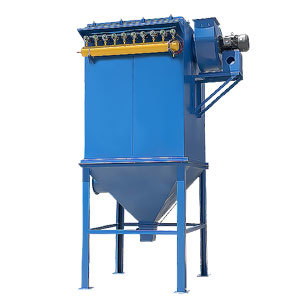
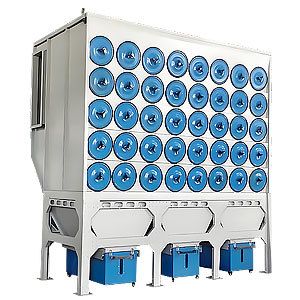
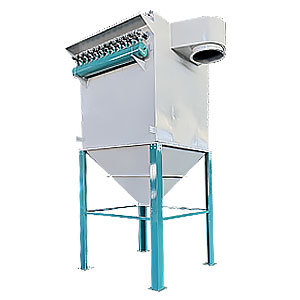
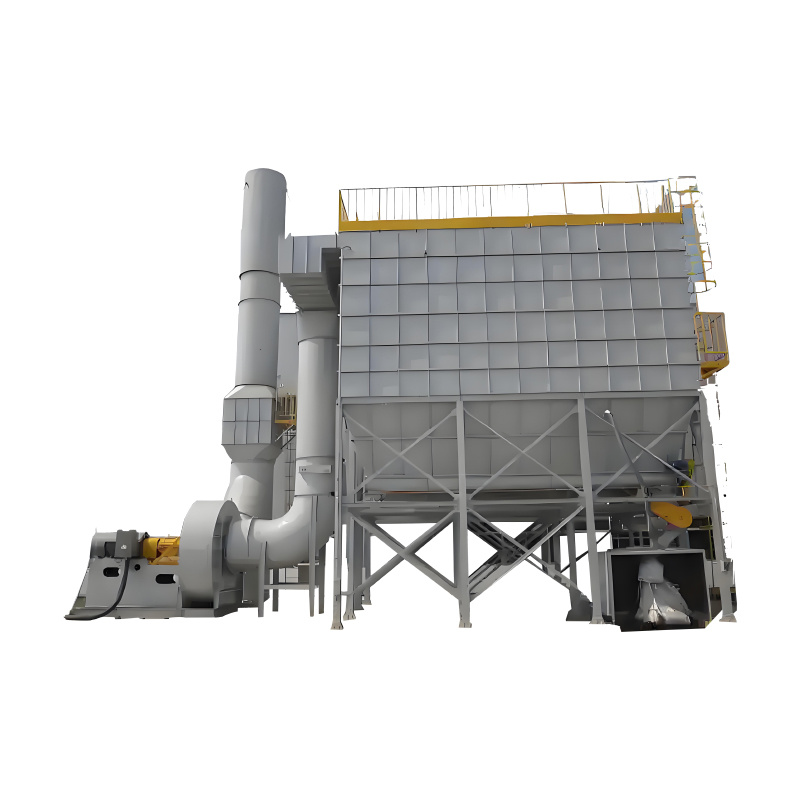
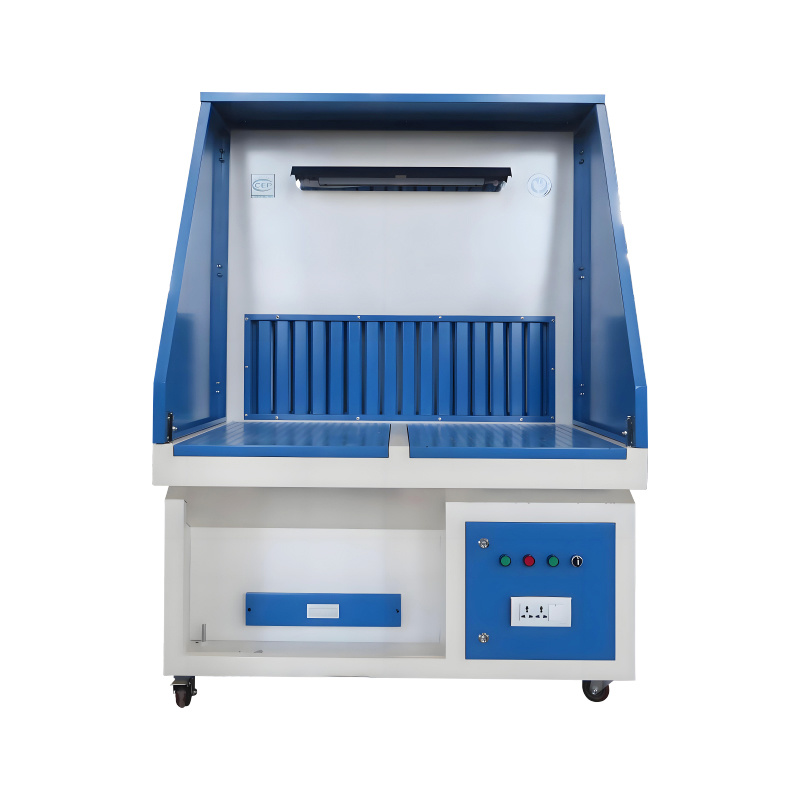
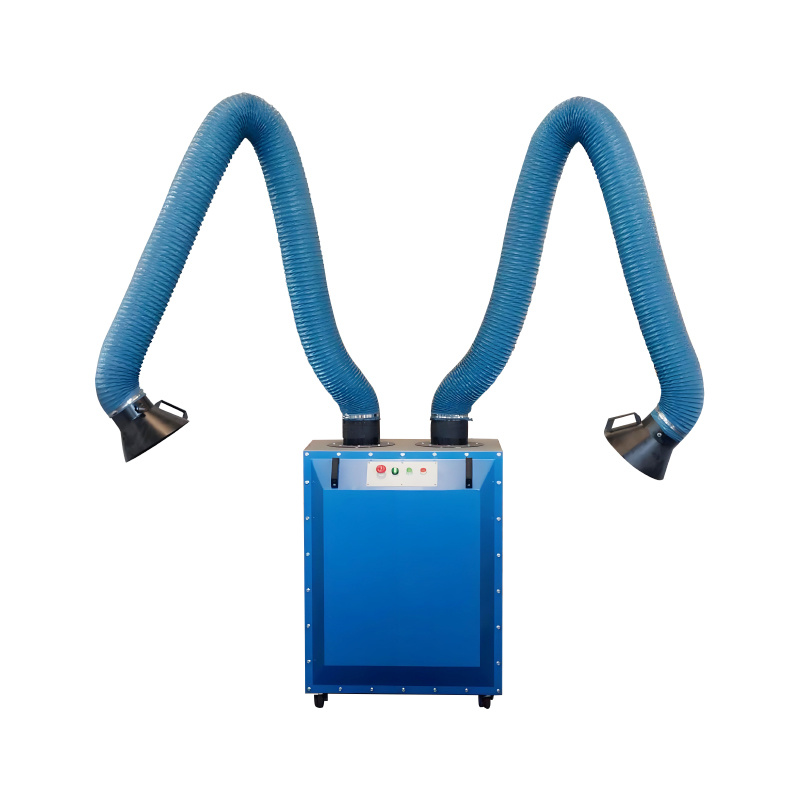
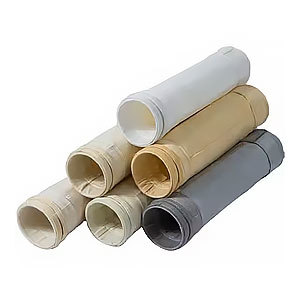
Baghouse filter bags are integral components of dust collection systems, commonly found in industries such as manufacturing, cement production, waste processing, and others that generate particulate emissions. These bags function by trapping dust and other contaminants from the air, allowing clean air to be released back into the environment. Understanding the construction and functionality of baghouse filter bags is essential for optimizing their performance and ensuring compliance with environmental regulations.
The materials used in baghouse filter bags are diverse, with each type designed to handle specific contaminants and operating conditions. Common materials include polyester, polypropylene, and aramid, each offering unique properties such as heat resistance, chemical compatibility, and filtration efficiency. When selecting filter bags, it’s vital to consider the nature of the pollutants, the temperature range of the exhaust gases, and the desired filtration efficiency. For instance, aramid bags are often preferred in high-temperature applications while polypropylene may be suitable for environments with less severe conditions.
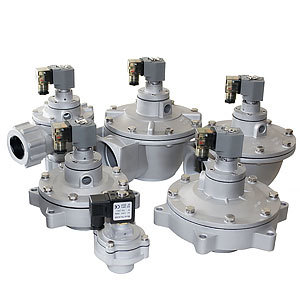
Baghouse filter bags operate through a process called pulse jet cleaning, where compressed air is used to dislodge the accumulated dust from the bag surfaces. This cleaning method not only extends the life of the filter bags but also maintains optimal airflow and energy efficiency within the dust collection system. Regular maintenance and timely replacement of filter bags are critical to avoid operational challenges. Signs that indicate the need for bag replacement include increased pressure drop across the system, visible wear or damage, and decreased collection efficiency.
In addition to maintenance, understanding the role of baghouse filter bags in regulatory compliance is vital for industries subject to air quality standards. Properly functioning filter bags help in minimizing emissions and ensuring that organizations meet environmental guidelines, thereby avoiding fines and enhancing their sustainability efforts.
Moreover, ongoing innovations in filter bag technology are enhancing filtration capabilities. For example, advancements in nanofiber technology allow for finer filtration while maintaining airflow, making it easier to capture smaller particulate matter that traditional filters may miss.
In summary, baghouse filter bags are critical components of industrial air filtration systems. Their effectiveness is influenced by material selection, maintenance practices, and technological advancements. By investing time and resources into understanding and managing these elements, professionals can significantly improve their air quality management strategies, ensuring a cleaner and safer environment.
Hot Tags:


Contact Us
Tel:
WeChat:
WhatsApp:
E-mail:
Address:
338 National Road South, Longfengdian Village, Botou City, Hebei Province, China
JiuznTomine is expertly delivering technically complicated projects in markets & provides custom solutions for their customized need.


CONTACT INFO
Tel: +86 18531710311
WeChat: +86-18531710311
338 National Road South, Longfengdian Village, Botou City, Hebei Province, China