













Understanding the Importance of Baghouse Dust Collection Systems in Industrial Settings
Mar 20,2025
Understanding the Importance of Baghouse Dust Collection Systems in Industrial Settings
In today's industrial landscape, managing dust and particulates is not just a regulatory requirement; it's essential for maintaining a safe and productive workplace. **Baghouse dust collection systems** have emerged as a vital solution for controlling airborne contaminants in various industrial applications. In
Understanding the Importance of Baghouse Dust Collection Systems in Industrial Settings
In today's industrial landscape, managing dust and particulates is not just a regulatory requirement; it's essential for maintaining a safe and productive workplace. **Baghouse dust collection systems** have emerged as a vital solution for controlling airborne contaminants in various industrial applications. In this article, we will delve into the importance of these systems, exploring their working principles, benefits, and best practices for effective implementation.
Table of Contents
- What is a Baghouse Dust Collection System?
- How Does a Baghouse Work?
- Benefits of Baghouse Dust Collection Systems
- Industries That Use Baghouse Systems
- Maintenance and Best Practices for Baghouse Systems
- Regulatory Compliance and Baghouse Systems
- Common Challenges and Solutions
- The Future of Dust Collection Systems
- Frequently Asked Questions
- Conclusion
What is a Baghouse Dust Collection System?
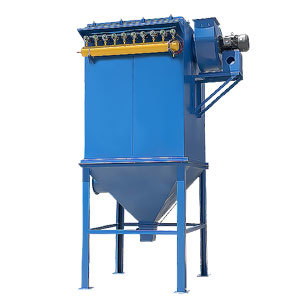
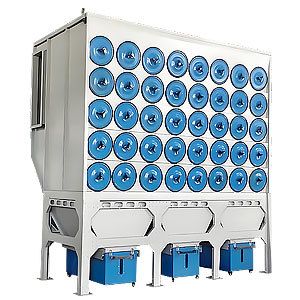
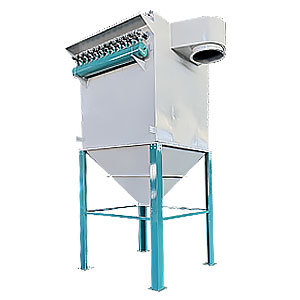
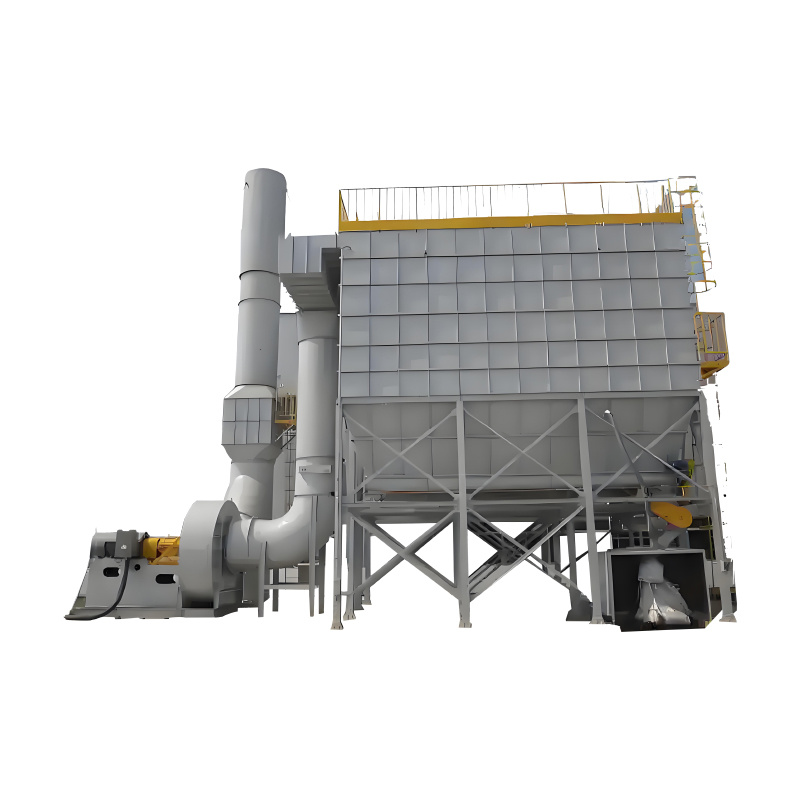
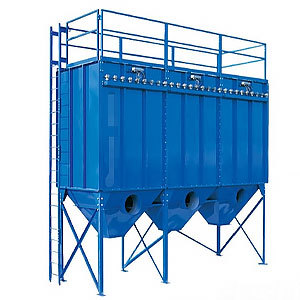
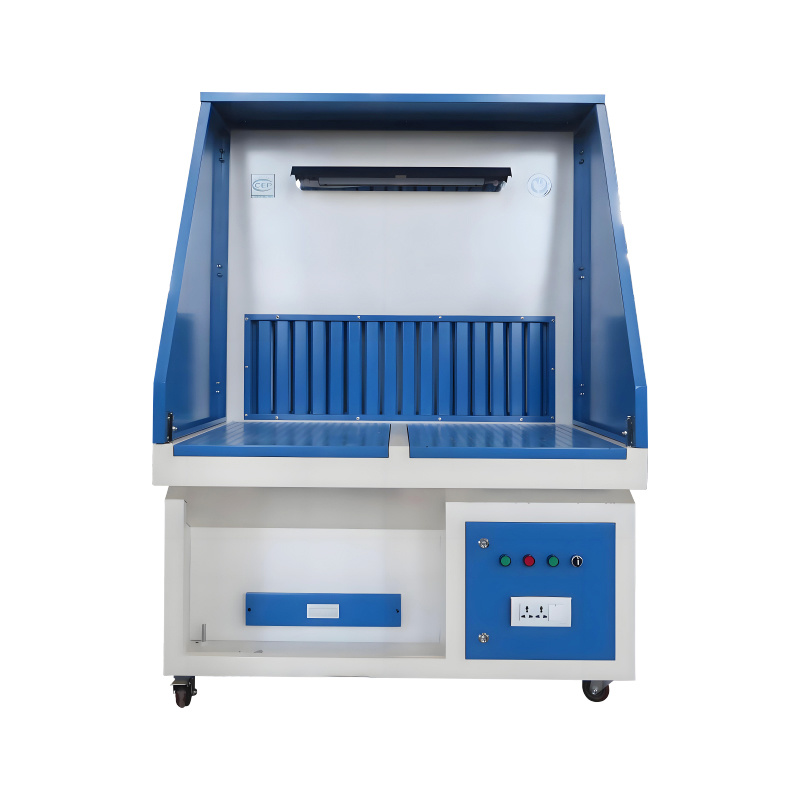
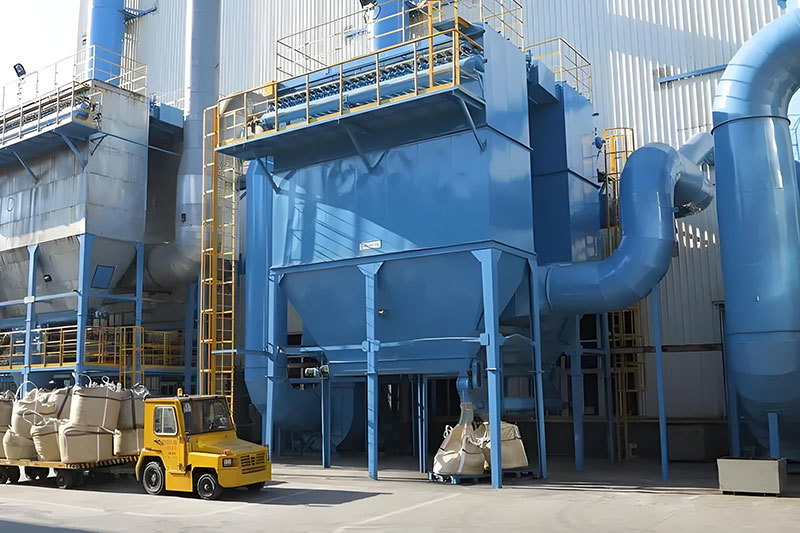
A **baghouse dust collection system** is a type of air pollution control device that captures and filters airborne dust particles generated during industrial processes. These systems are predominantly used in manufacturing, construction, and other industries where dust emissions are prevalent. A baghouse consists of a series of filter bags, a fan, and a collection hopper, all working together to maintain air quality and minimize dust release into the atmosphere.
The Components of a Baghouse Dust Collection System
Understanding the individual components of a baghouse system is key to appreciating how they function together to ensure effective dust management. The primary components include:
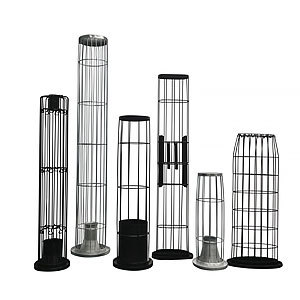
- **Filter Bags**: Made typically from woven fabric, these bags capture particulate matter as air passes through them.
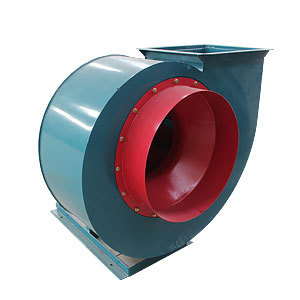
- **Fan**: This component creates the necessary airflow, drawing contaminated air into the baghouse for filtration.
- **Hopper**: The hopper collects dust that has been filtered out, allowing for easy disposal or recycling of materials.
- **Clean Air Outlet**: After filtration, purified air is expelled back into the environment, ensuring minimal contamination.
How Does a Baghouse Work?
The operation of a baghouse dust collection system can be broken down into several key steps:
1. **Air Intake**: Contaminated air is drawn into the baghouse through a fan, creating a vacuum that facilitates airflow.
2. **Filtration Process**: As the air passes through the filter bags, dust particles are trapped on the surface of the bags. The filtration can either be **dry** or **wet**, depending on the system design and requirements.
3. **Dust Collection**: Over time, the dust accumulates on the filter bags. A cleaning mechanism, often involving shaking or reverse air flow, periodically removes the dust from the bags and sends it to the hopper.
4. **Exhaust of Clean Air**: The cleaned air is then discharged back into the environment, ensuring compliance with air quality standards.
Benefits of Baghouse Dust Collection Systems
Implementing a baghouse dust collection system offers numerous advantages that contribute to a safer and more efficient industrial environment:
1. Improved Air Quality
By effectively capturing dust particles, baghouse systems significantly improve indoor air quality, promoting a healthier workplace for employees. Clean air reduces the risk of respiratory issues and other health problems associated with dust exposure.
2. Regulatory Compliance
Many industries are required to meet stringent air quality regulations. Baghouse systems help businesses comply with environmental standards, avoiding potential fines and enhancing their reputation in the industry.
3. Enhanced Productivity
Reduced dust levels lead to less wear on machinery and equipment, resulting in decreased maintenance costs and downtime. This enhances overall productivity and operational efficiency.
4. Cost-Effectiveness
While the initial investment in a baghouse system can be significant, the long-term savings from improved equipment lifespan and reduced health-related costs make it a financially sound decision.
5. Versatility
Baghouse systems can be customized to suit a wide range of industrial applications, from cement manufacturing to woodworking, making them a flexible solution for various industries.
Industries That Use Baghouse Systems
Baghouse dust collection systems are prevalent across numerous industries, including:
- **Construction**: To manage dust from cutting, grinding, and drilling operations.
- **Mining**: For controlling dust generated during material extraction and processing.
- **Food Processing**: To maintain hygiene and quality by minimizing airborne contaminants.
- **Pharmaceutical**: To ensure cleanroom standards and worker safety.
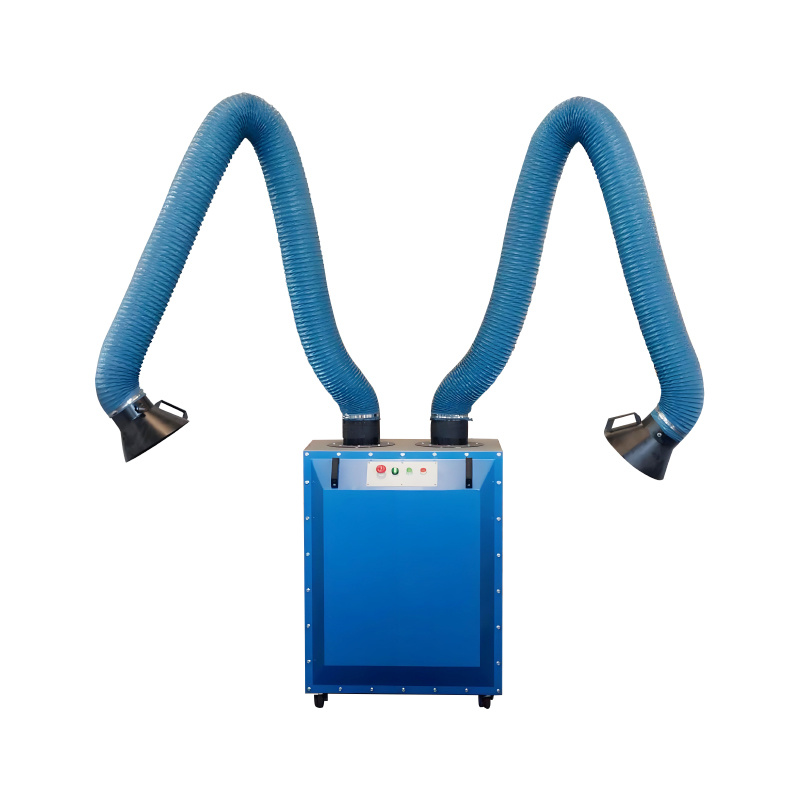
- **Metal Fabrication**: For controlling welding fumes and metal dust.
Maintenance and Best Practices for Baghouse Systems
Regular maintenance is crucial for ensuring the optimal performance of baghouse dust collection systems. Here are some best practices:
1. Regular Inspections
Conduct routine inspections to check for wear and tear on filter bags and other components. Early detection of issues can prevent costly repairs and downtime.
2. Timely Cleaning
Implement a regular cleaning schedule to remove accumulated dust from the filters. This will maintain airflow and efficiency.
3. Monitor Airflow and Pressure
Utilize pressure gauges and airflow monitors to ensure the system operates within optimal parameters. Deviations may indicate filter clogging or other issues.
4. Keep Records
Maintain detailed records of inspections, maintenance activities, and system performance. This data can help identify trends and inform future maintenance strategies.
5. Train Employees
Provide training for employees on the proper operation and maintenance of baghouse systems to foster a safety-conscious and efficient work environment.
Regulatory Compliance and Baghouse Systems
Adhering to local and federal regulations regarding air quality is essential for industrial operations. Baghouse systems can help meet the requirements set forth by agencies such as the **Environmental Protection Agency (EPA)** and Occupational Safety and Health Administration (OSHA). Understanding specific regulations that apply to your industry will facilitate compliance and create a safer workplace.
Common Challenges and Solutions
While baghouse systems are highly effective, they can encounter several challenges:
1. Filter Bag Clogging
**Solution**: Regularly monitor and replace filter bags to prevent clogging, ensuring continuous airflow and efficiency.
2. Dust Leaks
**Solution**: Inspect seals and connections routinely to prevent dust leaks, which can compromise air quality and safety.
3. Vibration Issues
**Solution**: Ensure the system is installed correctly with proper supports and brackets to reduce vibrations that can damage components or reduce effectiveness.
The Future of Dust Collection Systems
As industries evolve, so too do dust collection technologies. The future of baghouse systems may involve:
- **Smart Technology Integration**: Utilizing IoT devices for real-time monitoring and predictive maintenance, enhancing system efficiency.
- **Advanced Materials**: Developing new filter materials that offer better filtration within a smaller footprint.
- **Sustainability**: Innovations that improve energy efficiency and reduce the environmental impact of dust collection systems.
Frequently Asked Questions
1. How often should I replace the filter bags in a baghouse system?
Typically, filter bags should be replaced every 1 to 3 years, but this can vary based on the type of dust and system usage.
2. Can baghouse systems handle all types of dust?
Baghouse systems can effectively manage many types of dust, but specific applications may require tailored solutions for optimal performance.
3. What maintenance is needed for a baghouse system?
Regular inspections, timely cleaning, and monitoring of airflow and pressure are essential for effective maintenance.
4. Are baghouse systems compliant with environmental regulations?
Yes, when properly designed and maintained, baghouse systems can help meet regulatory requirements for air quality.
5. How do I choose the right baghouse system for my facility?
Consider factors such as the type of dust generated, airflow requirements, and regulatory compliance when selecting a system.
Conclusion
Investing in a **baghouse dust collection system** is not just about compliance; it's about creating a safe, efficient, and productive industrial environment. With their ability to improve air quality, enhance operational efficiency, and reduce health risks, baghouse systems are a crucial component of modern industrial operations. By understanding their importance and implementing best practices, businesses can ensure that they are not only meeting regulatory standards but also fostering a culture of safety and productivity.
Hot Tags:
PREVIOUS:


Contact Us
Tel:
WeChat:
WhatsApp:
E-mail:
Address:
338 National Road South, Longfengdian Village, Botou City, Hebei Province, China
JiuznTomine is expertly delivering technically complicated projects in markets & provides custom solutions for their customized need.


CONTACT INFO
Tel: +86 18531710311
WeChat: +86-18531710311
338 National Road South, Longfengdian Village, Botou City, Hebei Province, China