


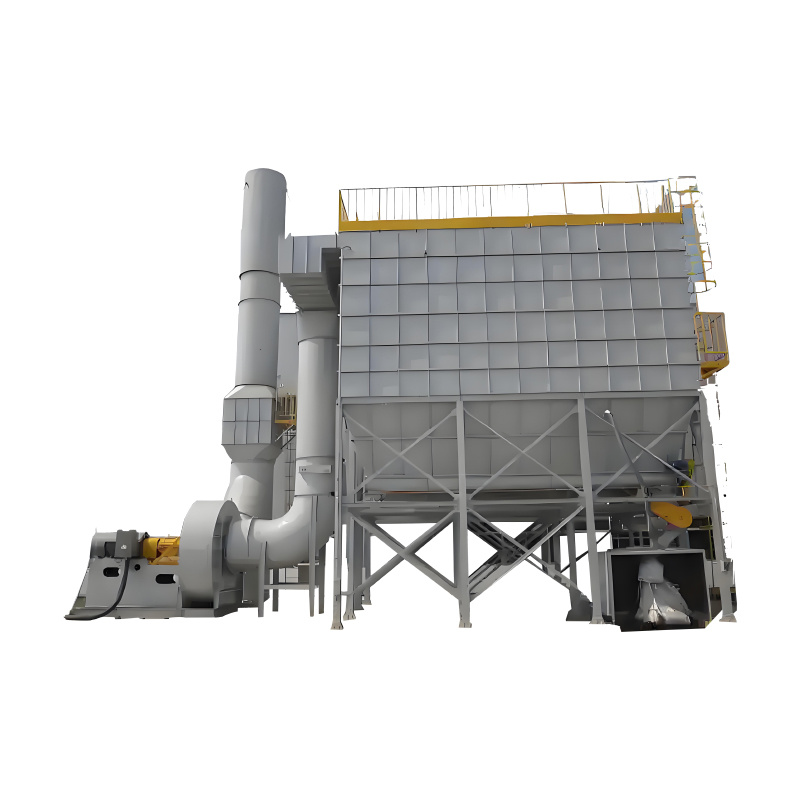
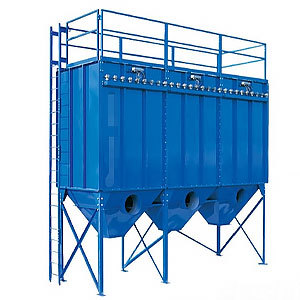
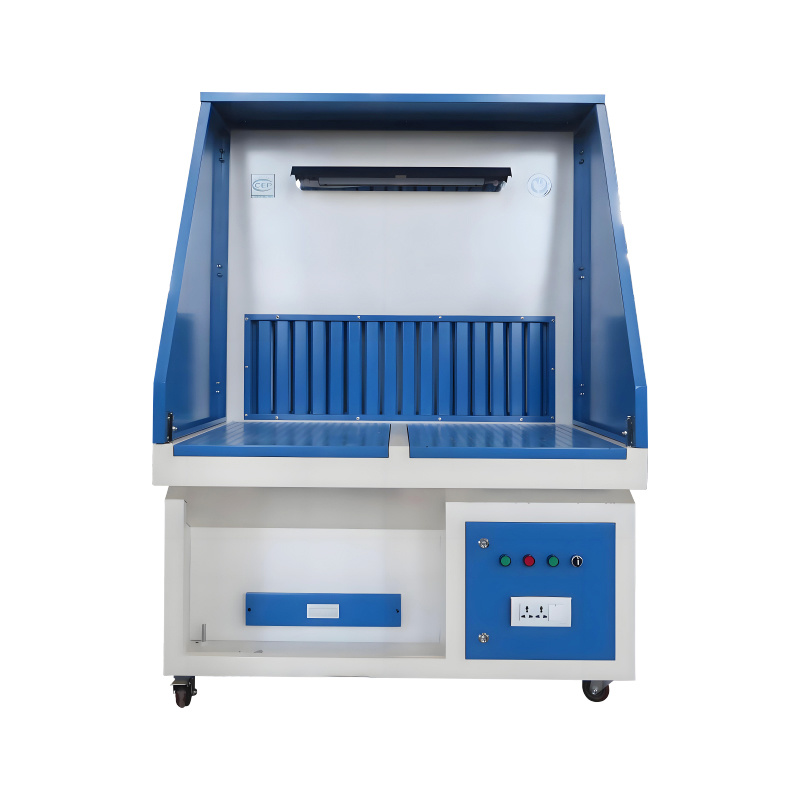
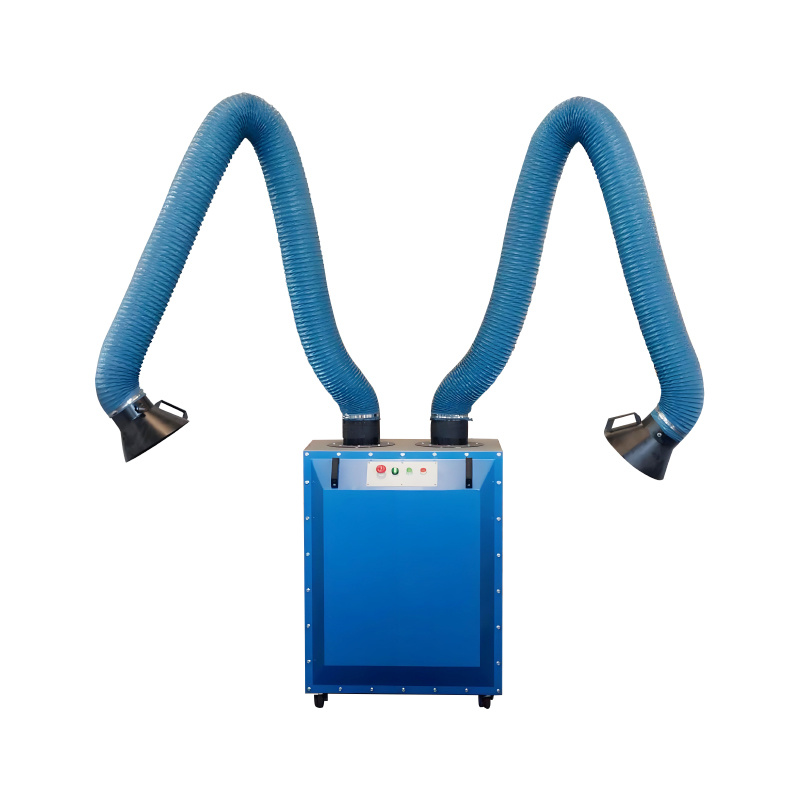










Bag filter bag selection for bag filter: Focus on these key indicators
Dec 02,2025

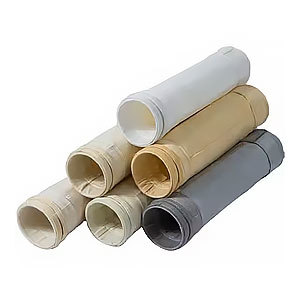
In the operation system of bag filter, the filter bag is the "heart component" that determines the filtration effect, equipment life, and environmental compliance. Especially for foreign trade enterprises, the working conditions faced by overseas factories vary greatly, from high temperature and humidity in Southeast Asia, to severe cold and dryness in Northern Europe, to strict emission regulations in Europe and America. If the selection of filter bags deviates, it will not only lead to frequent shutdowns and replacements, but also may trigger environmental penalties. The selection of filter bags does not rely on "empiricism", but requires precise anchoring of core indicators to achieve seamless matching with working conditions.
1、 Temperature index: the lifeline of filter material
Temperature is the primary prerequisite for selecting filter bags, and the temperature resistance of the filter material directly determines whether it can work stably. Exceeding the tolerance temperature will cause the filter bag to melt, become brittle, or burn out, while below the dew point temperature, it is easy to condense and paste the bag. When selecting, it is important to focus on two temperature parameters: continuous operating temperature and instantaneous peak temperature.
1. Normal temperature conditions (<100 ℃): For scenarios such as food processing, electronic component assembly, furniture polishing, etc., where the flue gas temperature is stable and there is no high temperature impact, polyester filter material is preferred. Polyester filter material has a moderate cost and a filtration accuracy of over 99%. After oil repellent and waterproof treatment, it can cope with mildly humid flue gas and is suitable for normal temperature and high humidity environments in tropical regions such as Southeast Asia.
2. Medium temperature conditions (100-200 ℃): commonly used in chemical reaction vessels, plastic granulation, asphalt mixing and other scenarios, requiring the use of filter media with stronger temperature resistance. PPS filter material is the mainstream choice, with a continuous operating temperature of up to 190 ℃, instant tolerance of 210 ℃, and certain resistance to acid and alkali corrosion, suitable for the treatment of medium temperature sulfur-containing flue gas in European and American chemical factories; If the smoke has a high dust concentration, PTFE coating can be used to enhance the dust removal effect.
3. High temperature conditions (>200 ℃): For scenarios such as steel plant blast furnace gas, cement kiln tail, garbage incineration, etc., high-temperature special filter media should be selected. Glass fiber filter material has a continuous temperature resistance of 260 ℃, while basalt fiber filter material can reach 300 ℃. Both have excellent high-temperature stability, but attention should be paid to avoiding frequent breakage - in cold regions such as Northern Europe, if the equipment is installed outdoors, additional insulation should be done to prevent the filter material from being severely worn due to low-temperature embrittlement.
2、 Dust characteristic index: the "determining factor" of filtration accuracy and durability
The physical and chemical properties of dust directly affect the filtration method, surface treatment process, and service life of filter bags, and require precise matching from four dimensions: particle size, concentration, corrosiveness, and flammability and explosiveness.
1. Dust particle size: Fine dust easily penetrates ordinary filter media, and PTFE coated filter media should be selected - the microporous structure of the film can achieve "surface filtration" to avoid dust penetrating into the interior of the filter media and causing blockage; Coarse dust causes significant wear on filter media. Therefore, polyester or polypropylene filter media with high needle density and wear-resistant surface should be selected to reduce damage caused by dust erosion.
2. Dust concentration: In scenarios where the inlet dust concentration is greater than 50g/m ³, priority should be given to the "dust holding capacity" of the filter material. Thick needle punched felt filter material should be selected, such as polyester thick filter material, which can have a dust holding capacity of 500g/m ² or more, reducing the frequency of dust cleaning and extending the life of the filter bag; Thin filter media can be used for low concentration dust to reduce equipment resistance.
3. Dust corrosiveness: Acid resistant filter media should be selected for acidic dust, and PTFE filter media has the widest range of acid and alkali resistance and can cope with strong corrosion conditions; Polyester filter material can meet the demand for alkaline dust; It should be noted that the seam of the filter bag also needs to be matched with corrosion-resistant materials, such as PTFE thread, to avoid the seam being corroded and broken first, which may cause the filter bag to fail.
4. Flammable and explosive dust: such as flour used in grain processing, plastic particles used in chemical industry, and powder coatings used in the spraying industry, anti-static filter media should be selected - conductive fibers should be added to the filter media to timely dissipate static electricity and prevent accumulation from causing explosions. This type of filter material must comply with the EU ATEX or US NFPA explosion-proof standards, and relevant certifications must be provided when exporting to the European and American markets.
3、 Smoke humidity index: key to avoiding "sticking bags"
When the relative humidity of the flue gas is greater than 60%, dust is prone to adsorb on the surface of the filter material, forming a "mud cake", causing the filter bag to clog and the pressure difference to increase. This problem is particularly prominent in high humidity areas in Southeast Asia or in scenarios such as food drying. When selecting, it is necessary to consider the synergistic effect of humidity and temperature, with a focus on the "dew point temperature" - ensuring that the flue gas temperature is at least 5 ℃ higher than the dew point temperature, while selecting filter materials with excellent hydrophobic properties.
1. High humidity and room temperature conditions: such as wood processing, paper drying, using polyester filter media treated with silicone oil or Teflon waterproofing to form a hydrophobic layer on the surface of the filter media, reducing dust adhesion; If the smoke contains oil mist, it is necessary to apply oil repellent treatment to prevent the mixture of oil mist and moisture from forming "oil sludge".
2. High humidity and medium temperature conditions: such as chemical condensation towers and rubber vulcanization, PTFE filter material is preferred as it has excellent hydrophobic properties and temperature resistance suitable for medium temperature environments; If the cost is limited, PPS filter material with waterproof coating can be used, but the integrity of the coating needs to be checked regularly to prevent water vapor infiltration after damage.
4、 Filtering accuracy index: the core of adapting to environmental standards
There are significant differences in environmental emission standards among different countries and regions, such as the EU's requirement for industrial dust emissions to be ≤ 10mg/m ³, some industries in California, USA to be ≤ 5mg/m ³, and some Southeast Asian countries to be ≤ 50mg/m ³. The filtration accuracy of the filter bag directly determines whether the emissions meet the standards, and the filter material of the corresponding filtration grade needs to be selected according to local regulations.
1. Conventional environmental requirements (emissions ≤ 50mg/m ³): For example, in some mines and building materials factories in Southeast Asia, ordinary polyester needle punched felt filter material can be used to meet the demand without additional film coating treatment, and the cost is controllable.
2. Strict environmental requirements (emissions ≤ 10mg/m ³): For most industrial scenarios in the European Union and the United States, PTFE coated filter media or ultrafine fiber filter media should be used, with a filtration accuracy of over 0.1 μ m, to ensure effective capture of fine dust.
3. Ultra high precision requirements (emissions ≤ 5mg/m ³): For industries such as electronic semiconductors and pharmaceuticals, PTFE expanded membrane filter media should be used, with membrane pore size controlled between 0.05-0.1 μ m, and equipped with a low-pressure pulse ash cleaning system to avoid high pressure damaging the membrane structure and causing a decrease in accuracy.
5、 Filter material structure and process indicators: "detail factors" affecting lifespan
In addition to core performance indicators, the structural design and production process of filter media also directly affect their service life and operational stability. These "details" are often overlooked when selecting, but they are crucial in long-term overseas operation and maintenance.
1. Filter material structure: Needle punched felt filter material has a larger dust holding capacity and higher filtration accuracy than woven fabric filter material, making it suitable for most industrial scenarios; If the smoke contains fibrous dust, a satin woven fabric filter with a smooth surface can be used to facilitate dust shedding.
2. Sewing process: The sewing method of filter bags is divided into needle and thread sewing and hot melt welding. Hot melt welding has better sealing and no risk of pinhole air leakage, making it suitable for regions with strict emission requirements such as Europe and America; Sewing with needle and thread should use the same material as the filter material to avoid local damage caused by material differences.
3. Bag mouth design: The bag mouth sealing method needs to be accurately matched with the dust collector flower board, and the elastic expansion ring sealing installation is convenient, with strong sealing performance, suitable for scenarios where filter bags are frequently replaced; The flange bolt type seal has better stability and is suitable for high temperature and high pressure working conditions, such as dust removal in steel plant blast furnaces.
6、 Environmental compliance indicators: the "passport" for foreign trade exports
Overseas markets have strict requirements for the environmental compliance of filter bags. In addition to emission standards, some countries also have regulations on the harmful substance content of filter materials themselves. When selecting, it is necessary to confirm local regulations in advance to avoid delays in customs clearance due to compliance issues.
1. Certification requirements: CE certification and EPA certification are required for exports to European and American markets; The food industry requires FDA certification; Explosion proof scenarios require ATEX/NFPA certification.
2. Restriction of harmful substances: The EU REACH regulation restricts the content of harmful substances such as polycyclic aromatic hydrocarbons and heavy metals in filter media. When selecting, suppliers need to provide third-party testing reports to ensure compliance with standards.
7、 Selection avoidance pitfalls: 3 common mistakes to avoid
In the selection of overseas filter bags, due to information asymmetry or lack of experience, the following errors are prone to occur, resulting in increased costs or compliance risks, which need to be avoided as a priority:
1. Misconception 1: Blindly pursuing "high-end materials": PTFE filter material has excellent performance, but its cost is 3-5 times that of polyester. If it is a normal temperature, low dust, and non corrosive working condition, using polyester filter material can meet the requirements without excessive investment.
2. Misconception 2: Neglecting "working condition synergy": Only focusing on a single indicator, such as only looking at temperature resistance but ignoring humidity - a Southeast Asian chemical factory used PPS filter material to deal with medium temperature flue gas, but due to the high humidity environment without waterproof treatment, the filter bag failed after 3 months of sticking.
3. Misconception 3: Omitting "sample testing": Overseas working conditions are complex, and relying solely on parameter selection can easily lead to deviations. It is recommended to first request filter material samples and conduct 1-2 weeks of small-scale testing under actual working conditions to monitor pressure difference changes, filtration efficiency, and other data, verify adaptability, and then purchase in bulk.
The core selection of bag filter bags for bag filters is based on working conditions and compliance. By accurately matching key indicators such as temperature, dust characteristics, and humidity, the goal of achieving "filtration standards, stable lifespan, and controllable cost" is achieved. For foreign trade enterprises, filter bags are not only equipment components, but also important carriers for enterprises to comply with overseas environmental regulations and establish a professional image. In the selection process, if the local working conditions and compliance requirements can be combined to comprehensively evaluate the priority of various indicators, the most suitable filter bag scheme can be selected to provide guarantee for the stable operation of overseas factories.
Hot Tags:


Contact Us
Tel:
WeChat:
WhatsApp:
E-mail:
Address:
338 National Road South, Longfengdian Village, Botou City, Hebei Province, China
JiuznTomine is expertly delivering technically complicated projects in markets & provides custom solutions for their customized need.


CONTACT INFO
Tel: +86 18531710311
WeChat: +86-18531710311
338 National Road South, Longfengdian Village, Botou City, Hebei Province, China