












Practical Path for Energy saving and Carbon Reduction in Industrial Dust Removal: Technical Optimization and System Collaboration
Nov 15,2025
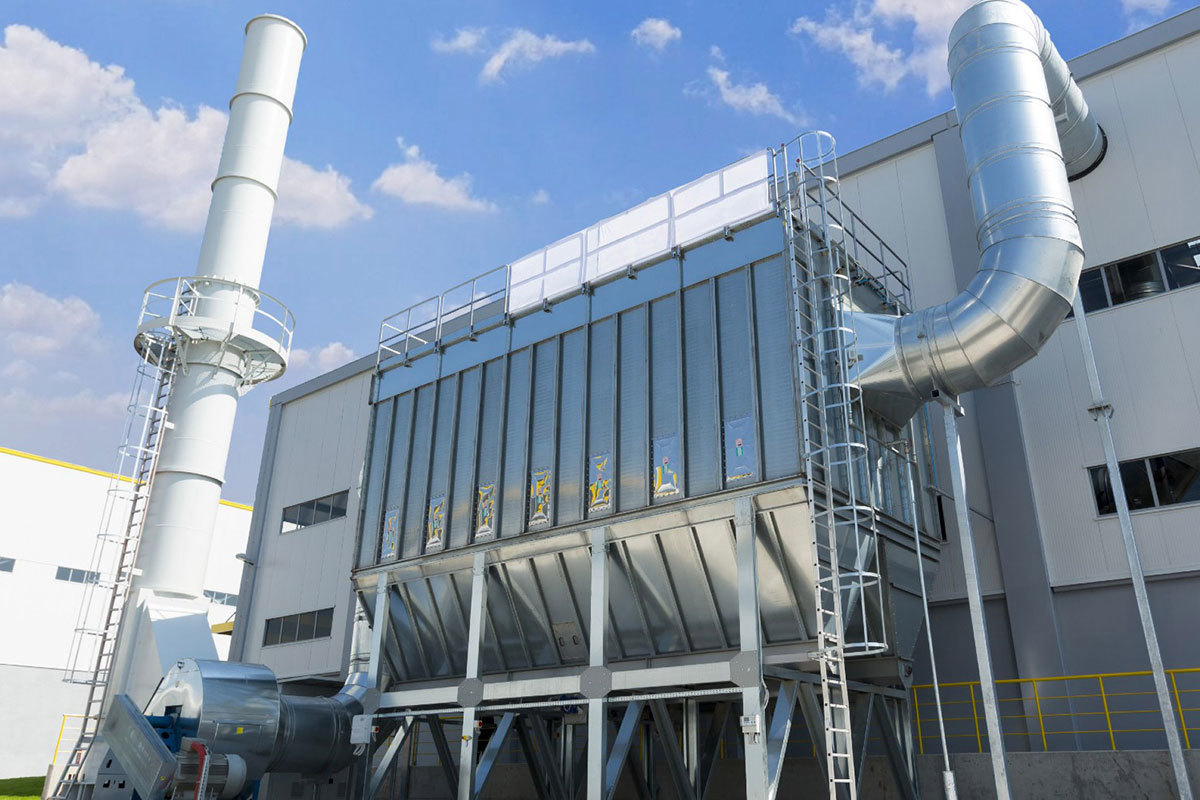
Under the promotion of global carbon neutrality goals, industrial dust removal systems have transformed from simple "dust control equipment" to an important part of energy conservation and carbon reduction for enterprises. The energy consumption of fans and cleaning gases in industrial dust removal processes accounts for 5% -15% of the total energy consumption of the factory. At the same time, there is also carbon emission potential in equipment operation and waste filter material treatment. Through systematic optimization of technology upgrading, operational regulation, and resource recycling, industrial dust removal systems can achieve dual goals of "energy conservation and consumption reduction" and "carbon reduction and pollution reduction", adapt to overseas production scenarios in multiple industries such as chemical, metallurgical, power, and food, and fully comply with global compliance requirements such as EU carbon footprint calculation and US EPA energy-saving standards.
1、 Device side optimization: reducing energy consumption and carbon emissions from the source
The technical characteristics of the equipment itself directly determine the basic energy consumption level. By upgrading the core components and optimizing the structure, the carbon footprint can be reduced from the source.
1. Selection of high-efficiency and energy-saving equipment
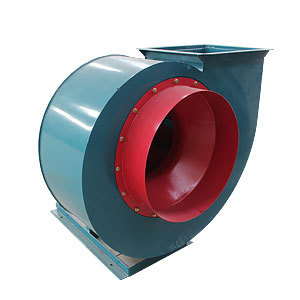
Priority should be given to using high-efficiency dust removal equipment with a fan specific power consumption of ≤ 0.08kWh/(1000m ³ · Pa), paired with IE5 level ultra high efficiency motors, which can save 10% -15% energy compared to traditional motors and reduce carbon emissions by about 5-8 tons/unit per year (calculated based on a processing capacity of 100000 m ³/h).
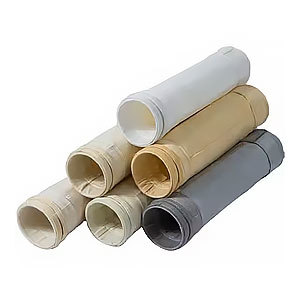
Choosing low resistance coated filter bags/cartridges (initial resistance ≤ 800Pa) as the filter material can improve air permeability by 30%, reduce fan operating load, and decrease power consumption related carbon emissions.
Plastic fired plate dust collectors are used in high humidity and high viscosity dust scenarios to avoid energy consumption fluctuations caused by frequent clogging of filter materials, saving more than 20% energy compared to traditional bag filters.
2. Energy saving renovation of structural design
Optimize the air duct and airflow organization, adopt streamlined design to reduce local resistance, control the air duct wind speed at 12-18m/s, and reduce fan head loss.
The large-scale dust removal system adopts modular design, with unit groups opened as needed to avoid ineffective energy consumption like "big horses pulling small cars", especially suitable for overseas factories with large capacity fluctuations.
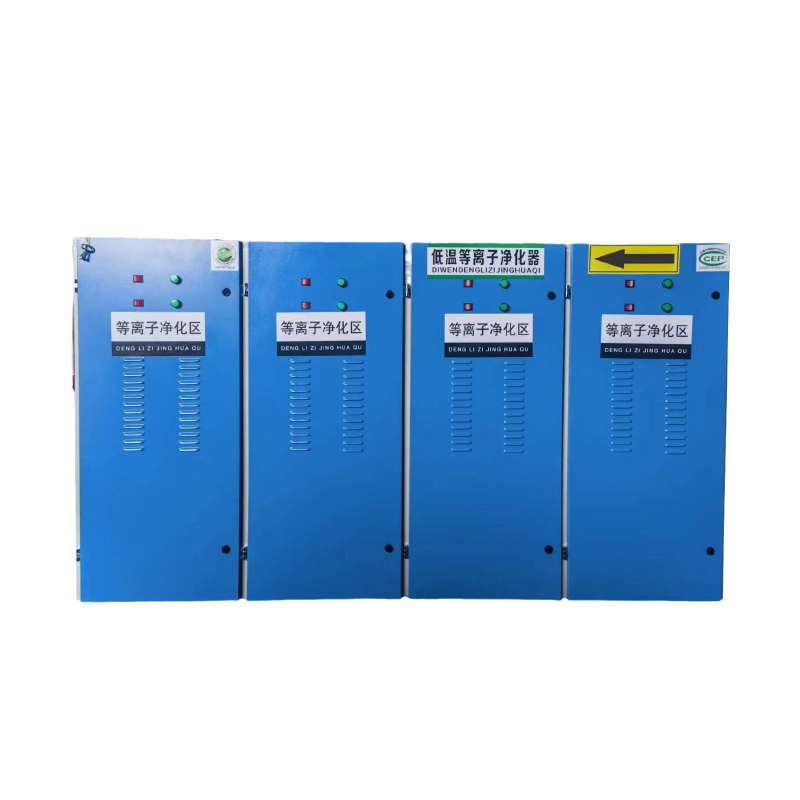
The electrostatic precipitator adopts wide spacing electric field+pulse power supply technology, which reduces electric field energy consumption by 25% and reduces indirect carbon emissions caused by electrode heating.
2、 Running end regulation: dynamically adapting to working conditions to achieve precise energy saving
Through intelligent regulation and refined operation and maintenance, we avoid ineffective energy consumption during operation and maximize energy utilization efficiency.
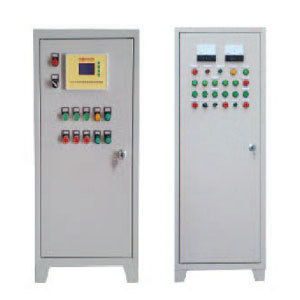
1. Intelligent frequency conversion and load matching
Based on real-time monitoring data of flue gas flow rate and dust concentration, the speed of the linked variable frequency fan is dynamically adjusted: when the load is low, the fan speed is reduced by 30%, which can save energy by 40% -50% and correspondingly reduce carbon emissions by the same proportion.
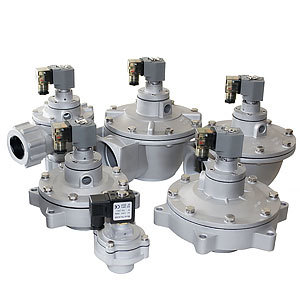
The ash cleaning system adopts the "on-demand spraying" mode, which controls the frequency of pulse valve startup through pressure difference feedback (set range 800-1500Pa), saving 30% -40% of compressed air consumption compared to fixed cycle ash cleaning, indirectly reducing the power consumption and carbon emissions of the air compressor.
2. Operating strategy adapted to working conditions
High temperature flue gas scenarios (such as power plants and steel plants) adopt a collaborative mode of "waste heat recovery+dust removal", using flue gas waste heat to preheat boiler feedwater or workshop heating. Each 1GJ of waste heat recovered can reduce carbon emissions by about 28kg.
Optimize the cleaning pressure and blowing time in high humidity and low dust scenarios, such as using 0.3-0.5MPa low-pressure cleaning for filter cartridge dust collectors, which not only avoids excessive wear of filter materials but also reduces compressed air consumption.
Overseas multi shift production factories implement "off peak operation and maintenance", carrying out equipment maintenance and filter material replacement during low electricity consumption periods, reducing the proportion of energy consumption during peak periods, and lowering the pressure of carbon emission accounting.
3、 Resource cycle: from "end of pipe treatment" to "carbon emission reduction"
By extending the lifespan of filter materials, recycling dust, and utilizing waste resources, we can reduce carbon emissions throughout the entire lifecycle, achieving a win-win situation for environmental protection and benefits.
1. Extended lifespan and recycling of filter materials
The use of modified filter materials such as organic silicon spraying and PTFE coating can extend the service life by more than 50%, reduce the frequency of filter material replacement, and reduce carbon emissions from waste filter material disposal (recycling 1 ton of waste filter bags can reduce carbon emissions by about 1.2 tons).
Waste filter materials that meet the standards are professionally cleaned, tested, and reused (limited to 3 times), reducing carbon emissions by 60% compared to directly replacing with new filter materials.
2. Dust recycling and resource utilization
Recyclable dust (such as metal powder, flour, cement powder) can be reused through a closed recycling system, and every ton of dust recovered can save carbon emissions related to raw material production: about 2.5 tons of metal powder, about 0.8 tons of food fine powder, and about 0.5 tons of building material dust.
After solidification treatment, non recyclable dust can be used as building materials or fuel substitutes to reduce methane emissions from landfill disposal and replace carbon emissions from traditional building material production.
3. Energy consumption recovery and cascade utilization
The large dust removal fan is equipped with a waste heat recovery device, which recovers the operating heat of the motor for workshop insulation or hot water supply. The annual heat recovery of each equipment can reduce carbon emissions by about 3-5 tons.
The condensed water from the compressed air system is recycled to the factory cooling water circulation system, reducing fresh water consumption and carbon emissions in the water treatment process.
4、 Digital Management: Visualization and Optimization of Carbon Emissions Throughout the Entire Process
Utilizing digital technology to achieve precise control of energy consumption and carbon emissions, providing data support for continuous optimization, and meeting the ESG reporting needs of European and American enterprises.
1. Carbon emission monitoring and accounting
Install energy consumption monitoring module to collect real-time data on fan power consumption, compressed air consumption, waste heat recovery, etc. Calculate carbon emissions according to ISO 14064 standard and generate visual reports.
Integrate the factory MES system with the global carbon footprint accounting platform, automatically synchronize data, and meet compliance requirements such as the EU CBAM (Carbon Border Adjustment Mechanism) and the US EPA carbon emission declaration.
2. Intelligent optimization and warning
Based on machine learning algorithms, automatically optimize parameters such as fan speed and cleaning cycle according to historical operating data and real-time working conditions, achieving "predictive energy saving".
Establish a carbon emission warning mechanism, which automatically pushes optimization suggestions when the carbon emissions per unit of processing exceed the set threshold. For example, when the filter material is clogged, it prompts for cleaning, and when the fan energy consumption is abnormal, it prompts for maintenance.
5、 Regional adaptation to working conditions: key carbon reduction strategies for different overseas scenarios
There are differences in energy structure and operating conditions in different regions overseas, and it is necessary to adjust the practical path accordingly
High electricity price regions in Europe and America: Priority will be given to adopting a combination of "high-efficiency motors+variable frequency control+waste heat recovery", with a focus on reducing energy consumption related carbon emissions while meeting carbon footprint traceability requirements.
High humidity areas in Southeast Asia: Choose moisture-proof low resistance filter materials, optimize the frequency of dust cleaning to avoid filter material clumping, and reduce additional energy consumption and carbon emissions caused by equipment failures.
High temperature regions in the Middle East: Install insulation layers and heat dissipation devices on dust removal equipment to reduce motor losses during high-temperature operation, while utilizing flue gas waste heat for air conditioning and cooling to improve energy cascade utilization efficiency.
The energy-saving and carbon reduction of industrial dust removal is not the application of a single technology, but a systematic collaboration of equipment selection, operation regulation, resource recycling, and digital management. The core logic is to achieve full lifecycle carbon emission reduction by reducing ineffective energy consumption, improving energy efficiency, and promoting resource recycling. For overseas industrial enterprises, this practical path can not only reduce operation and maintenance costs, but also enhance ESG performance and international market competitiveness, occupying a leading position in the global carbon neutrality wave.
Hot Tags:


Contact Us
Tel:
WeChat:
WhatsApp:
E-mail:
Address:
338 National Road South, Longfengdian Village, Botou City, Hebei Province, China
JiuznTomine is expertly delivering technically complicated projects in markets & provides custom solutions for their customized need.


CONTACT INFO
Tel: +86 18531710311
WeChat: +86-18531710311
338 National Road South, Longfengdian Village, Botou City, Hebei Province, China