


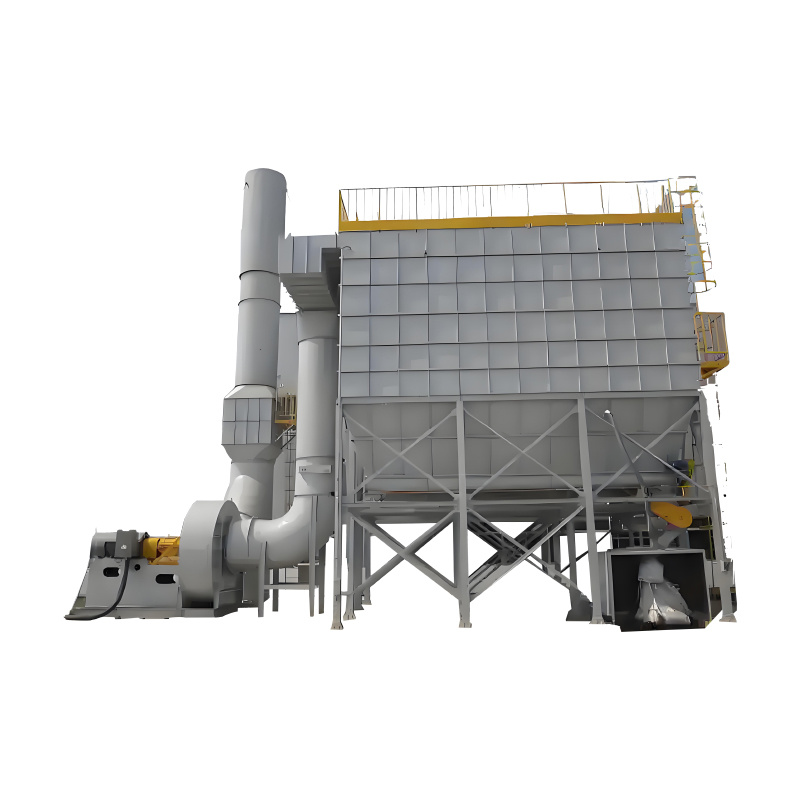
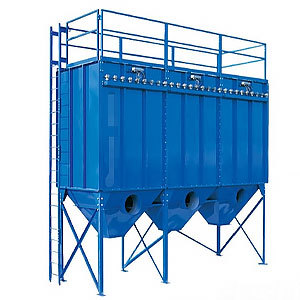
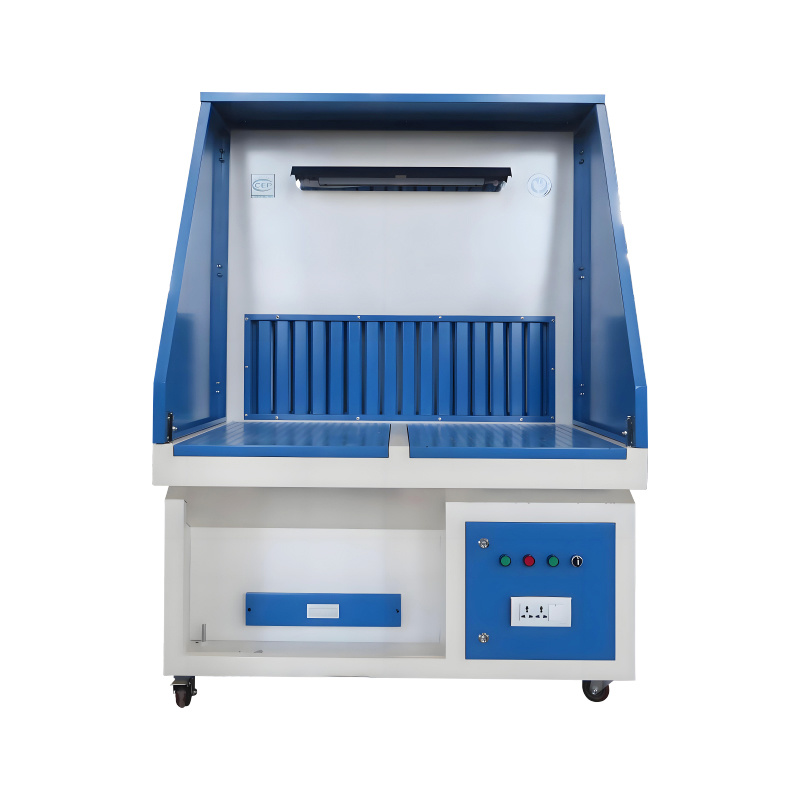
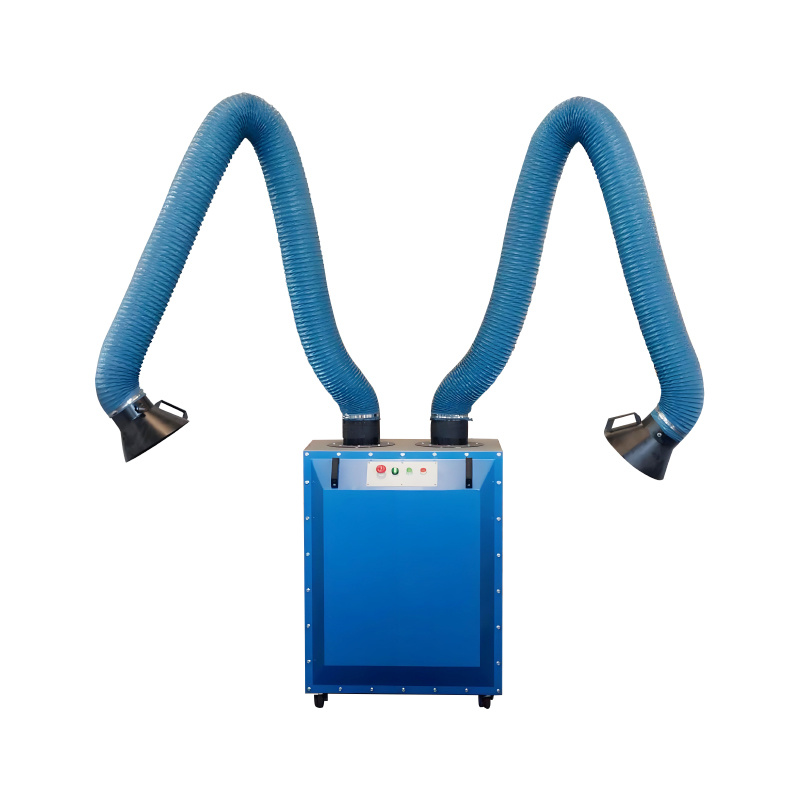









Low resistance design of cyclone dust collector: energy-saving and efficient, preferred for cost reduction in overseas factories
Sep 15,2025
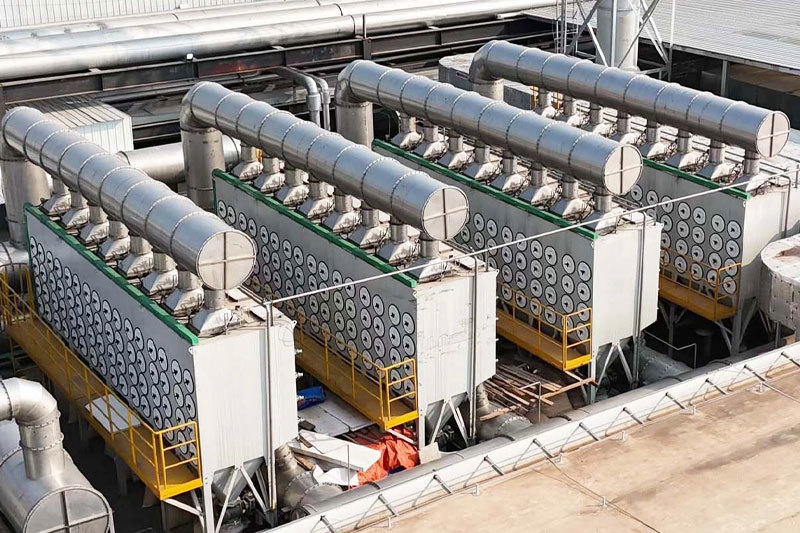
For overseas industrial factories, the "low resistance design" of cyclone dust collectors is a hidden "energy-saving password" - compared to traditional high resistance equipment, low resistance design can significantly reduce fan load, reduce electricity expenses, and maintain efficient dust removal, perfectly meeting the dual needs of "cost reduction and efficiency increase+environmental compliance" of global factories. Especially in coarse dust treatment scenarios such as mining, building materials, and grain, low resistance cyclone dust collectors have become a popular choice in the foreign trade market due to their advantages of low energy consumption, simple operation and maintenance, and wide adaptability.
1、 The core logic of low resistance design: reducing resistance through structural optimization
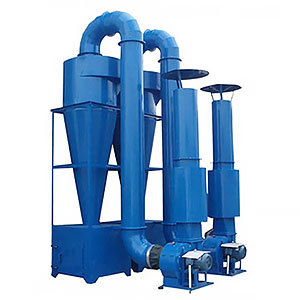
The resistance of the cyclone dust collector mainly comes from the flow loss of the airflow inside the cylinder. The low resistance design stabilizes the operating resistance at 800-1200Pa through "three major structural optimizations", which is 30% -40% lower than traditional equipment and directly lays the foundation for energy conservation:
1. Optimize the proportion of the cylinder to reduce vortex losses in the airflow
The traditional cyclone dust collector has an unreasonable ratio of cylinder diameter to height, which can easily generate ineffective vortices and increase resistance. The low resistance design adjusts the ratio to 1:3.5-4, combined with the streamlined cylinder wall, allowing the dusty airflow to rotate smoothly along the wall surface, reducing vortex opposition; Simultaneously shortening the insertion depth of the exhaust pipe, reducing the frictional resistance during airflow discharge, and reducing overall airflow loss by 25%.
2. Improve the entrance structure to reduce impact resistance
Using a "tangent gentle inlet" instead of the traditional right angle inlet, the airflow smoothly enters the cylinder at a speed of 15-20m/s, avoiding local resistance caused by high-speed airflow impacting the cylinder wall; The entrance cross-sectional area is precisely matched with the cylinder cross-sectional area to prevent airflow congestion and further reduce entrance resistance, reducing resistance by 15% compared to a right angle entrance design.
3. Anti blocking design of ash hopper to avoid local resistance increase
Dust accumulation can cause narrowing of the ash hopper airflow channel and sudden increase in local resistance. The low resistance cyclone dust collector adopts a 60 ° large inclination ash hopper and is equipped with a high-frequency vibrator to prevent dust retention; Install a sealed discharge valve at the outlet of the ash hopper to prevent airflow turbulence caused by air leakage and ensure low resistance operation of the equipment throughout the entire process.
2、 Actual performance of energy conservation and efficiency: much lower electricity costs, no discount on dust removal
The core value of low impedance design lies in "low energy consumption without sacrificing dust removal efficiency", which brings tangible cost benefits to overseas factories:
1. The energy consumption of the fan has been reduced by 30%, saving tens of thousands of dollars in electricity bills annually
Taking the equipment with a processing capacity of 50000 m ³/h as an example, the traditional high resistance cyclone dust collector requires a fan power of 18.5kW, while the low resistance design only requires 11kW, saving 180 degrees of electricity per day under 24-hour operation.
2. Stable dust removal efficiency, easy compliance
The low resistance design does not affect the dust separation effect. With optimized airflow rotation speed, the removal rate of coarse dust above 5 μ m still reaches over 95%, and the emission concentration is ≤ 30mg/m ³, meeting the environmental protection requirements of emerging markets such as Africa and the Middle East; After being paired with a pre filter layer, it can also handle some fine dust, adapting to the multi scenario needs of Southeast Asian building materials factories and grain processing factories, and avoiding fines for exceeding standards.
3、 Foreign trade adaptation: regional customization, unobstructed landing
For different working conditions overseas, the low resistance cyclone dust collector can be locally adjusted to ensure that the energy-saving effect is not compromised:
1. High temperature scenario in the Middle East: Installing insulation layer on the cylinder to avoid the impact of changes in airflow density caused by high temperature on resistance; Select high-temperature resistant seals to prevent thermal expansion and contraction and air leakage.
2. Nordic high humidity scenario: The cylinder and ash hopper are treated with anti-corrosion treatment, using 304 stainless steel material to avoid inner wall corrosion caused by moisture and maintain smooth airflow channels.
3. European and American compliance scenarios: CE certification is provided, and the carbon emissions reduced by low resistance design can be included in the factory's ESG report to help customers enhance their green competitiveness.
For overseas factories, the low resistance design of cyclone dust collectors is not a "technical gimmick", but a "cost reducing tool" - it uses structural optimization to achieve low resistance and energy saving, meets compliance with stable efficiency, and can also adapt to different regional working conditions, making it a "cost-effective benchmark" in foreign trade dust removal equipment. Choosing the right low resistance cyclone dust collector is to install an "energy-saving engine" for the factory, which can easily meet global environmental challenges while controlling costs.
Hot Tags:


Contact Us
Tel:
WeChat:
WhatsApp:
E-mail:
Address:
338 National Road South, Longfengdian Village, Botou City, Hebei Province, China
JiuznTomine is expertly delivering technically complicated projects in markets & provides custom solutions for their customized need.


CONTACT INFO
Tel: +86 18531710311
WeChat: +86-18531710311
338 National Road South, Longfengdian Village, Botou City, Hebei Province, China