













Pulse cleaning of bag filter: dust recovery generates revenue
Sep 15,2025

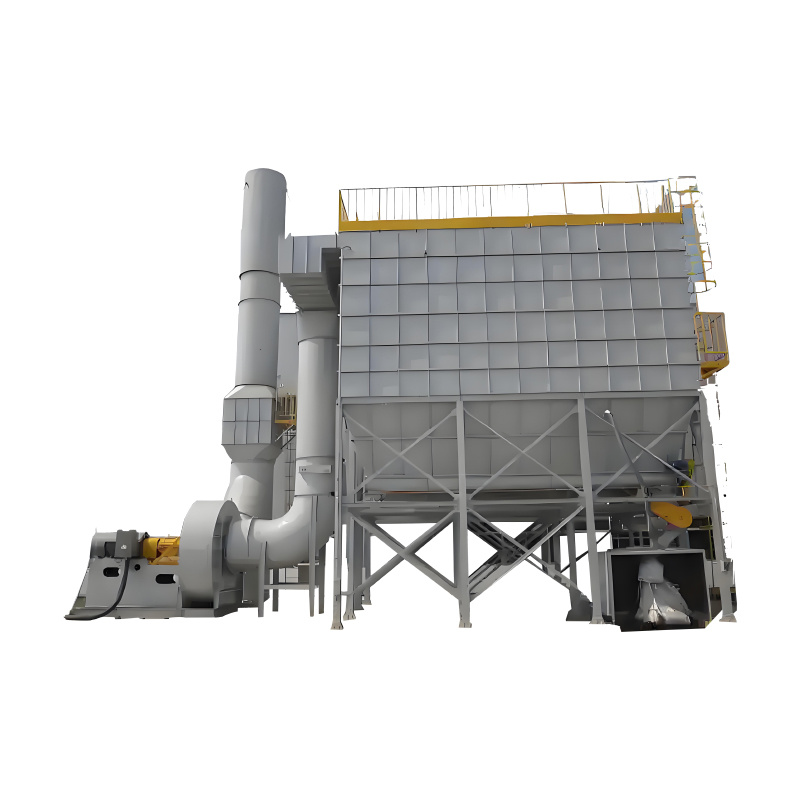
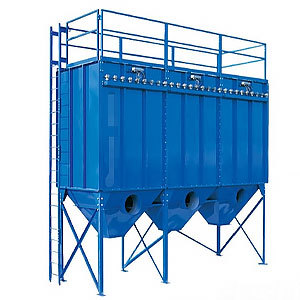
For overseas industrial factories, the value of bag filters goes beyond "standard dust removal" - their pulse cleaning technology precisely controls the cleaning rhythm, allowing the collected dust to maintain high purity and low impurities, achieving "dust recycling and reuse", and transforming from an "environmental cost item" to a "revenue growth point". Especially in industries such as building materials, food, and chemicals, the efficient dust recovery brought by pulse cleaning can help companies save tens of thousands of dollars in costs every year and even create additional revenue.
1、 Pulse dust cleaning: the "technical core" of dust recovery
The key to achieving dust recovery in bag dust collectors is to "not damage the purity of dust and not cause secondary pollution during dust cleaning". Pulse dust cleaning technology precisely solves this pain point, and its core advantages are reflected in two points:
1. Low voltage short pulse: avoid dust fragmentation and pollution
Using 0.4-0.6MPa low-pressure spraying, the single cleaning time is only 0.1-0.2 seconds. The airflow is soft and concentrated, which can completely peel off the dust on the surface of the filter bag without causing dust particles to break due to high-pressure impact; At the same time, short pulses reduce excessive mixing of compressed air and dust, avoiding the mixing of oil and water vapor into dust. The purity of recovered dust can reach over 95%, meeting the quality requirements for direct return to the furnace.
2. Time division wheel dust cleaning: ensuring continuous and stable recovery of dust
The pulse dust cleaning system adopts a "time-sharing wheel circulation" design, which only cleans 1-2 filter bag units at a time, and filters the remaining units normally to avoid machine shutdown or sudden drop in air volume. This continuous operation mode allows dust to fall evenly into the ash hopper without the need to frequently start and stop the unloading device, reducing the accumulation and agglomeration of dust in the ash hopper, and ensuring the flowability of the recovered dust. For moisture absorbing dust such as flour and starch in food factories, continuous recovery can avoid the quality decline caused by agglomeration and can be directly reintroduced into the production line.
2、 Industry case: "Concrete benefits" of dust recycling
Different overseas industries achieve dust recovery through pulse cleaning, with different forms of revenue, but all can significantly reduce costs or increase revenue:
1. Middle East Building Materials Factory (Cement Powder Recycling)
A certain Saudi cement plant adopts a pulse bag dust collector to recover cement dust through low-pressure pulse cleaning, with a purity of 96% and a daily recovery of about 8 tons, which is directly returned to the furnace for cement production. Based on the local cement raw material cost of 80 US dollars per ton, the annual cost savings of raw materials exceed 230000 US dollars.
2. European food factories (flour dust recycling)
The pulse bag dust collector in a baking factory in Germany recovers flour dust through time-division cleaning. Due to the absence of oil pollution during the cleaning process, the recovered flour meets EU food grade standards and recovers 0.5 tons per day for the production of low gluten flour by-products.
3. Southeast Asian chemical plants (plastic powder recycling)
A plastic granulation factory in Thailand uses pulse ash cleaning to recover plastic fine powder with a purity of 94%. After remelting and granulation, it is used to produce low-end plastic products with an annual recycling capacity of 50 tons. Calculated at a plastic raw material cost of $1200/ton, the annual cost savings for raw materials are $60000, and it meets the policy requirements of the Thai Ministry of Environmental Protection to reduce solid waste by 30%. It has received an annual environmental protection subsidy of $15000.
3、 Foreign Trade Adaptation: Regional Optimization of Pulse Dust Cleaning
For different working conditions overseas, the pulse dust cleaning system can be customized and adjusted to ensure the dust recovery effect:
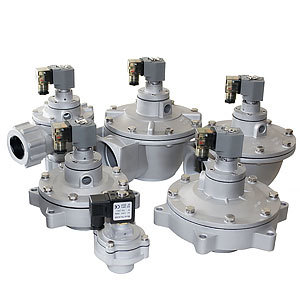
1. High temperature scenario in the Middle East: The pulse valve is made of high-temperature resistant materials to avoid unstable dust cleaning pressure caused by high temperatures and ensure dust dryness;
2. High humidity scenarios in Southeast Asia: Installing heating devices on the ash hopper, combined with pulse cleaning to reduce dust moisture absorption and agglomeration, and improve recycling purity;
3. High compliance scenarios in Europe and America: Provide CE and FDA certification for dust recycling systems to ensure that recycled materials meet local safety standards and smoothly enter the recycling chain.
For overseas factories, the pulse cleaning technology of bag filters is the key to achieving a win-win situation of "environmental protection+revenue generation". It not only transforms dust from "waste" to "resource", but also adds a "differentiation advantage" for enterprises in global market competition through cost savings and additional revenue - after all, in the current era of increasing environmental costs, "profitable dust removal equipment" is the truly high-quality choice.
Hot Tags:


Contact Us
Tel:
WeChat:
WhatsApp:
E-mail:
Address:
338 National Road South, Longfengdian Village, Botou City, Hebei Province, China
JiuznTomine is expertly delivering technically complicated projects in markets & provides custom solutions for their customized need.


CONTACT INFO
Tel: +86 18531710311
WeChat: +86-18531710311
338 National Road South, Longfengdian Village, Botou City, Hebei Province, China