












Maximize Your Air Quality with Effective Dust Collecting Bags
Mar 16,2026
Maximize Your Air Quality with Effective Dust Collecting Bags
Introduction to Air Quality and Dust Collection
In today’s industrial landscape, ensuring optimal air quality is essential for both health and productivity. Dust collecting bags play a crucial role in maintaining clean air by capturing particulate matter and contaminants that can compromise worker safety and environmental standards. Thi

Maximize Your Air Quality with Effective Dust Collecting Bags
Introduction to Air Quality and Dust Collection
In today’s industrial landscape, ensuring optimal air quality is essential for both health and productivity. Dust collecting bags play a crucial role in maintaining clean air by capturing particulate matter and contaminants that can compromise worker safety and environmental standards. This comprehensive guide delves into the various aspects of dust collecting bags, demonstrating how they can significantly enhance indoor air quality.
Understanding Dust Collection Systems
What Are Dust Collecting Bags?
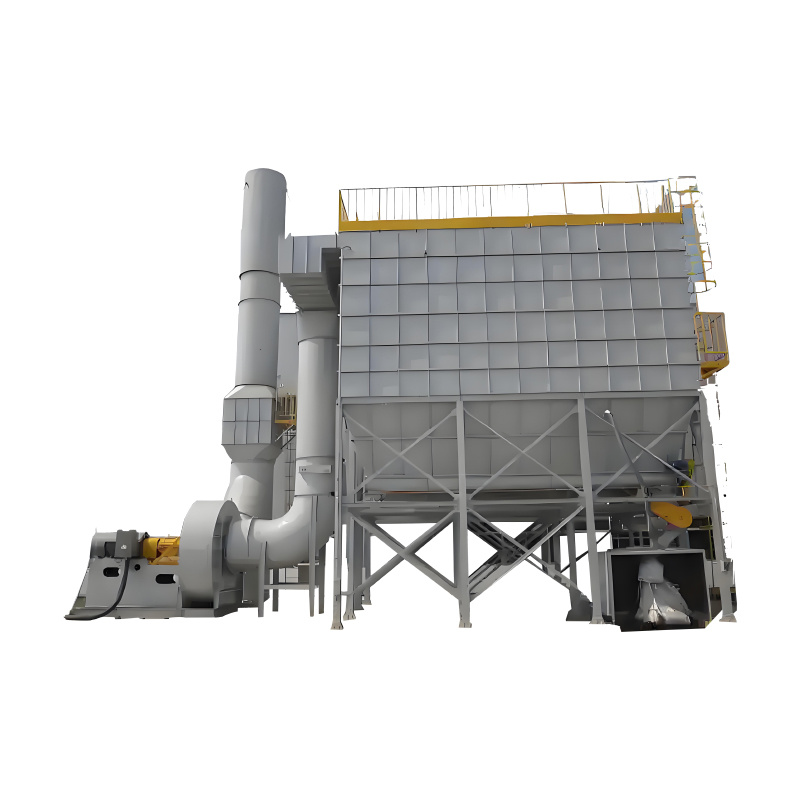
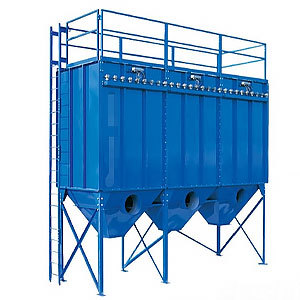
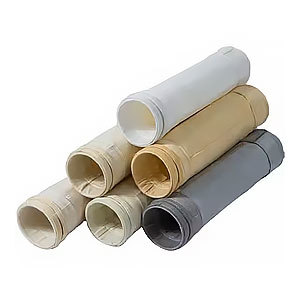
Dust collecting bags are integral components of dust collection systems designed to trap and filter airborne particles. Typically made from specialized materials, these bags come in various sizes and filtration capabilities, enabling them to cater to diverse industrial applications.
How Do Dust Collecting Bags Work?
The operation of dust collecting bags is relatively straightforward. Airborne dust and particles are drawn into the dust collection system through suction. As the air passes through the dust collecting bag, larger particles are trapped, while cleaner air is expelled back into the environment. Over time, the build-up of dust on the bag can reduce airflow, necessitating timely maintenance and replacement.
The Importance of Effective Dust Collecting Bags
Improving Indoor Air Quality
Effective dust collecting bags significantly contribute to improved indoor air quality by reducing the concentration of airborne particles. This is particularly vital in industrial settings where dust and contaminants can lead to respiratory issues and reduced employee productivity. By investing in high-quality dust collecting bags, businesses can create a safer and healthier work environment.
Enhancing Operational Efficiency
In addition to improving air quality, effective dust collection systems can enhance overall operational efficiency. When dust and debris accumulate, machinery can become less efficient, leading to increased energy consumption and maintenance costs. High-quality dust collecting bags help ensure that equipment operates smoothly, reducing the need for repairs and downtime.
Types of Dust Collecting Bags
1. Synthetic Dust Collecting Bags
Synthetic dust collecting bags are made from man-made fibers that offer superior filtration performance. These bags are highly durable, resistant to tear and wear, and can effectively capture fine particulate matter, making them ideal for industries handling hazardous materials.
2. Felt Dust Collecting Bags
Felt dust collecting bags are constructed from natural or synthetic fibers that provide excellent filtration capabilities. They are commonly used in woodworking and metalworking environments, where fine dust particles are prevalent. Felt bags are known for their ability to withstand high temperatures and maintain structure under pressure.
3. HEPA Dust Collecting Bags
High-Efficiency Particulate Air (HEPA) dust collecting bags are designed to trap at least 99.97% of particles that are 0.3 microns in size. These bags are essential for environments that require stringent air quality standards, such as hospitals and laboratories. Although they may be more expensive, the health benefits and air quality improvements they provide are well worth the investment.
4. Microfiber Dust Collecting Bags
Microfiber dust collecting bags are known for their exceptional filtration capabilities. Made from ultra-fine fibers, these bags capture dust particles that other materials may miss. Their lightweight nature and high dust-holding capacity make them a preferred choice for various industrial applications.
Choosing the Right Dust Collecting Bags
Assessing Your Needs
Before selecting dust collecting bags, it’s essential to assess your specific needs. Consider the type of dust generated in your facility, the volume of air that needs to be filtered, and any regulatory requirements that may apply. Understanding these factors will help you choose the most suitable dust collecting bags for your system.
Evaluating Filtration Efficiency
Dust collecting bags vary in their filtration efficiency. Look for bags with a high MERV (Minimum Efficiency Reporting Value) rating, as this indicates their ability to capture smaller particles. A higher MERV rating ensures better air quality and reduced health risks associated with dust exposure.
Material and Durability
The material used in dust collecting bags directly impacts their performance and durability. Ensure that the bags you select are constructed from high-quality, resilient materials that can withstand the conditions of your industrial environment. This will help reduce the frequency of replacements and maintenance.
Maintaining Your Dust Collecting Bags
Regular Inspection and Cleaning
To maximize the lifespan and efficiency of your dust collecting bags, regular inspection and cleaning are crucial. Check for signs of wear, tear, or clogging. Depending on the type of material, bags may be cleaned with compressed air or replaced entirely when they reach the end of their useful life.
Understanding Replacement Signs
Recognizing when to replace your dust collecting bags is essential for maintaining air quality. Signs such as reduced airflow, increased dust levels in the facility, or visible damage to the bags indicate that a replacement is necessary. Regular monitoring can help prevent air quality issues before they become problematic.
Benefits of Using Effective Dust Collecting Bags
Enhanced Worker Health and Safety
Using effective dust collecting bags directly contributes to worker health and safety. By minimizing airborne dust and contaminants, businesses can reduce the risk of respiratory issues, allergies, and other health problems associated with poor air quality.
Compliance with Regulations
Many industries are subject to strict regulations regarding air quality and dust emissions. Utilizing high-quality dust collecting bags can help businesses remain compliant with these regulations, avoiding penalties and ensuring a safer environment for employees and surrounding communities.
Cost Savings Over Time
Investing in effective dust collecting bags can lead to significant cost savings over time. While the initial investment may be higher for quality bags, the reduction in energy consumption, equipment maintenance, and potential health-related costs can offset these expenses.
Common FAQs About Dust Collecting Bags
1. How often should I replace my dust collecting bags?
The frequency of replacement depends on the type of dust generated and the volume of air being filtered. Generally, it is advisable to check and clean bags monthly and replace them when signs of wear or reduced performance are evident.
2. Can I wash my dust collecting bags?
Some dust collecting bags, particularly those made from synthetic materials, can be cleaned. However, washing may reduce their effectiveness over time. It is best to refer to the manufacturer's guidelines for cleaning instructions.
3. What is the difference between MERV and HEPA ratings?
MERV ratings indicate the effectiveness of a filter in capturing particles of various sizes, while HEPA ratings specify that a filter captures at least 99.97% of particles down to 0.3 microns. HEPA filters are typically more efficient than standard MERV-rated filters.
4. Are there any environmental benefits to using dust collecting bags?
Yes, effective dust collecting bags can reduce the release of harmful particles into the environment, contributing to cleaner air and lower pollution levels.
5. What industries benefit the most from dust collecting bags?
Industries such as woodworking, metalworking, pharmaceuticals, and food processing greatly benefit from dust collecting bags, as they often deal with fine dust and particulate matter.
Conclusion
Maximizing air quality with effective dust collecting bags is not just a matter of compliance but a critical step toward ensuring a healthy and productive work environment. By understanding the types, benefits, and maintenance of dust collecting bags, businesses can make informed decisions that lead to improved air quality, worker safety, and operational efficiency. Investing in high-quality dust collecting bags is an investment in the health of both employees and the environment, paving the way for a cleaner, safer industrial future.
Hot Tags:
PREVIOUS:

Contact Us
Tel:
WeChat:
WhatsApp:
E-mail:
Address:
338 National Road South, Longfengdian Village, Botou City, Hebei Province, China
JiuznTomine is expertly delivering technically complicated projects in markets & provides custom solutions for their customized need.


CONTACT INFO
Tel: +86 18531710311
WeChat: +86-18531710311
338 National Road South, Longfengdian Village, Botou City, Hebei Province, China