











How to Maintain Your Cyclone Dust Collector for Optimal Performance
Mar 12,2026

How to Maintain Your Cyclone Dust Collector for Optimal Performance
In industrial settings, the importance of maintaining a cyclone dust collector cannot be overstated. These devices play a crucial role in ensuring air quality and protecting equipment from hazardous dust particles. Proper maintenance not only enhances performance but also extends the lifespan of your dust collection system. In this guide, we will delve into the best practices for maintaining your cyclone dust collector, providing you with actionable insights to keep your operation running smoothly.
Table of Contents
- Introduction to Cyclone Dust Collectors
- Why Maintenance is Crucial for Cyclone Dust Collectors
- Routine Inspections: A Key to Reliability
- Effective Cleaning Procedures for Optimal Function
- Key Component Checks to Ensure Performance
- Troubleshooting Common Issues with Cyclone Dust Collectors
- Upgrading Your Cyclone Dust Collector: When and Why
- Conclusion
- Frequently Asked Questions
Introduction to Cyclone Dust Collectors
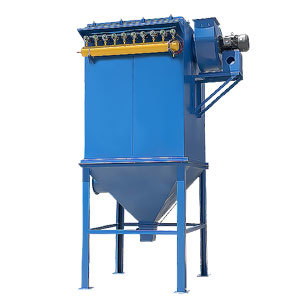
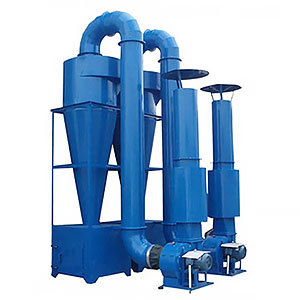
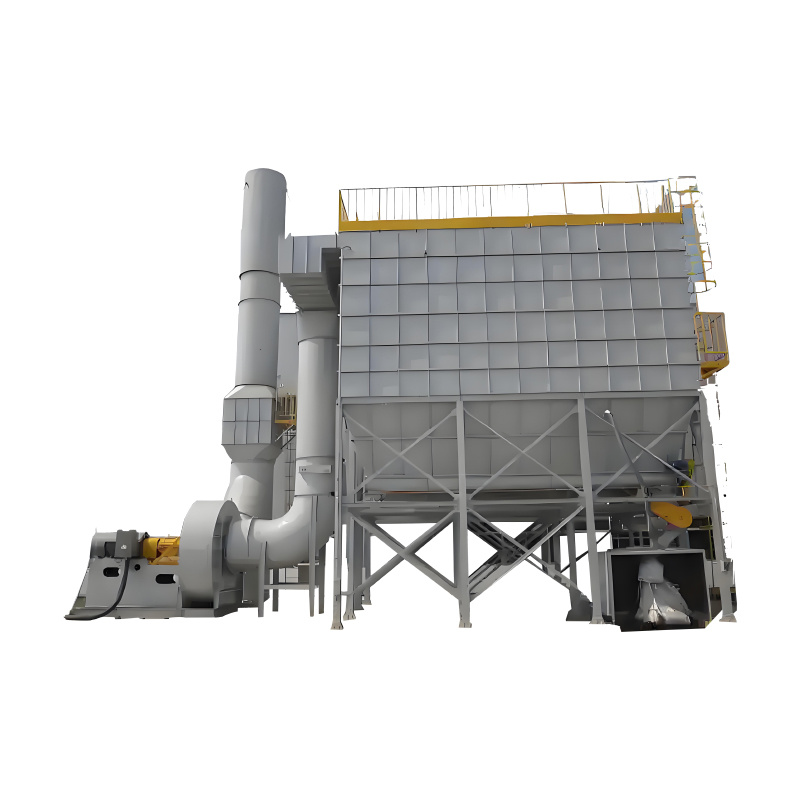
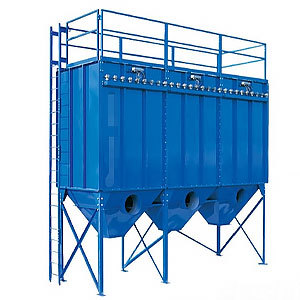
Cyclone dust collectors are widely used in various industries to separate dust and particulate matter from the air. They operate on the principle of centrifugal force, which allows them to effectively remove larger particles before they can clog filters or damage equipment. Understanding how these systems work is essential for performing effective maintenance.
How Cyclone Dust Collectors Work
These dust collectors feature a cylindrical design that facilitates airflow. As air enters the collector, it moves in a spiral pattern, causing heavier particles to be thrown against the walls. The dust then falls into a hopper at the bottom, while cleaner air is released back into the environment. This simple yet efficient mechanism makes cyclone dust collectors a preferred choice for many applications.
Why Maintenance is Crucial for Cyclone Dust Collectors
Regular maintenance of cyclone dust collectors is essential for several reasons:
- Enhanced Air Quality: Proper maintenance ensures that dust and contaminants are effectively removed, improving the overall air quality in your workspace.
- Equipment Longevity: By routinely checking and maintaining your system, you can identify potential issues before they become costly repairs.
- Operational Efficiency: A well-maintained dust collector operates more efficiently, leading to reduced energy consumption and improved productivity.
Routine Inspections: A Key to Reliability
Conducting routine inspections is one of the most effective ways to maintain your cyclone dust collector. Here’s how to approach it:
Checklist for Routine Inspections
- Visual Inspection: Check for visible signs of wear or damage, such as cracks or corrosion on the housing.
- Airflow Measurement: Use a manometer to measure airflow to ensure that it remains within manufacturer specifications.
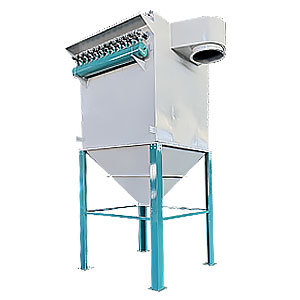
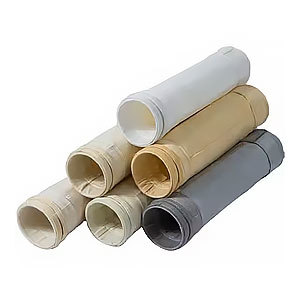
- Dust Accumulation: Inspect the hopper and collection bags for excessive dust buildup, which can impede performance.
Frequency of Inspections
It is advisable to inspect your cyclone dust collector at least once a month, or more frequently if operating in a high-dust environment. Keeping to a regular inspection schedule will help catch issues early and maintain optimal performance.
Effective Cleaning Procedures for Optimal Function
Cleaning your cyclone dust collector is vital in ensuring it operates efficiently. Here are the key steps to follow:
Cleaning the Collector
To clean the cyclone dust collector effectively:
- Shutdown the System: Always ensure the system is turned off and safely isolated before beginning any cleaning procedures.
- Remove Collected Dust: Carefully empty the dust collection hopper, taking precautions to minimize dust exposure.
- Wash Internal Components: Depending on the manufacturer’s instructions, wash internal components with a gentle cleaning solution to remove any buildup.
Cleaning the Filters
If your cyclone dust collector has filters, they should be removed and cleaned regularly. Consider the following:
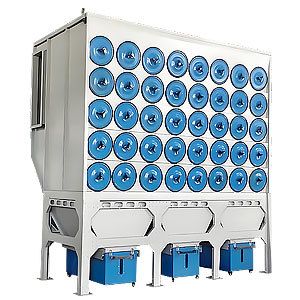
- Check for Damage: Inspect filters for tears or clogs, and replace them if necessary.
- Use Compressed Air: Use compressed air to gently blow out dust and debris from the filters, ensuring not to damage them.
Key Component Checks to Ensure Performance
It’s important to regularly check the critical components of your cyclone dust collector. Here are the main areas to focus on:
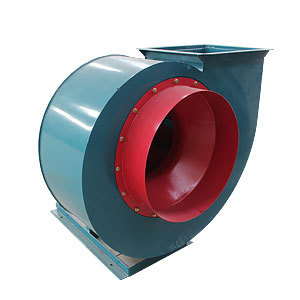
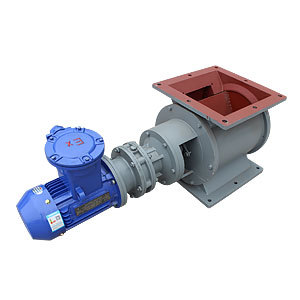
Motor and Blower Assembly
The motor and blower assembly are essential for the operation of your dust collector. Ensure:
- Proper Functionality: Listen for unusual noises that could indicate motor issues.
- Lubrication: Check and lubricate moving parts as per the manufacturer’s recommendations.
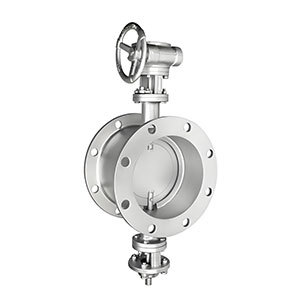
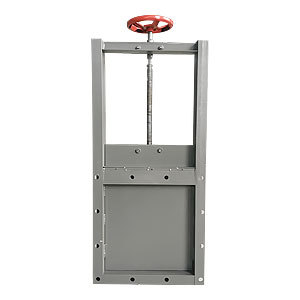
Pneumatic Lines and Valves
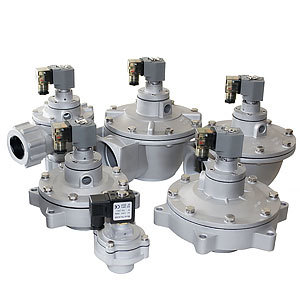
Pneumatic lines and valves are crucial for controlling airflow. Regularly inspect for:
- Leaks: Look for signs of air leaks, which can reduce efficiency.
- Blockages: Ensure that lines are clear and unobstructed.
Troubleshooting Common Issues with Cyclone Dust Collectors
Even with regular maintenance, issues can arise. Here are common problems and their solutions:
Poor Airflow
If you notice a decrease in airflow, it may be due to:
- Clogged Filters: Check and clean or replace filters as needed.
- Obstructed Ducts: Inspect ductwork for blockages and clear them to restore airflow.
Excessive Dust Leakage
Dust leakage can occur at various points. To address this:
- Inspect Seals: Ensure all seals are intact and replace any that are worn.
- Check Connections: Tighten connections to minimize dust escape.
Upgrading Your Cyclone Dust Collector: When and Why
As technology evolves, you may consider upgrading your cyclone dust collector for enhanced performance. Signs that it may be time to upgrade include:
- Increased Dust Levels: If your current system cannot keep up with dust generation, it may be time for an upgrade.
- High Maintenance Costs: Frequent repairs and maintenance can indicate that a new system would be more cost-effective.
Choosing the Right Upgrade
When selecting an upgrade, consider the following:
- Capacity: Ensure that the new system can handle your dust load effectively.
- Efficiency: Look for models with higher energy efficiency to reduce operational costs.
Conclusion
Maintaining your cyclone dust collector is essential for optimal performance and longevity. By implementing regular inspections, effective cleaning procedures, and component checks, you can ensure that your system operates efficiently. Addressing issues promptly through troubleshooting can save you time and money in the long run. Remember that upgrading your system when necessary can provide significant benefits. Following these guidelines will help you maintain an effective dust collection system, enhancing the safety and air quality of your industrial environment.
Frequently Asked Questions
1. How often should I inspect my cyclone dust collector?
It’s recommended to inspect your cyclone dust collector at least once a month, or more frequently in high-dust environments.
2. What are the signs that my dust collector needs maintenance?
Signs include reduced airflow, excessive dust leakage, and unusual noises from the motor or blower.
3. Can I clean the filters myself?
Yes, you can clean the filters using compressed air, but ensure they are in good condition before reinstallation.
4. What should I do if I find a leak in the system?
Inspect the seals and connections closely. Replace any damaged seals and tighten connections to minimize leaks.
5. When should I consider upgrading my dust collector?
Consider upgrading if your current system struggles to manage dust levels or if maintenance costs become excessive.
Hot Tags:


Contact Us
Tel:
WeChat:
WhatsApp:
E-mail:
Address:
338 National Road South, Longfengdian Village, Botou City, Hebei Province, China
JiuznTomine is expertly delivering technically complicated projects in markets & provides custom solutions for their customized need.


CONTACT INFO
Tel: +86 18531710311
WeChat: +86-18531710311
338 National Road South, Longfengdian Village, Botou City, Hebei Province, China