












The Science Behind Bag Dust Collectors and Air Filtration: Maximizing Efficiency and Air Quality
Jan 08,2026
The Science Behind Bag Dust Collectors and Air Filtration
Air quality is a critical aspect of many industries, particularly those that involve material processing and manufacturing. One of the most effective methods for maintaining clean air in these environments is through the use of **bag dust collectors** and air filtration systems. Understanding the science behind these mechanisms not only hig
The Science Behind Bag Dust Collectors and Air Filtration
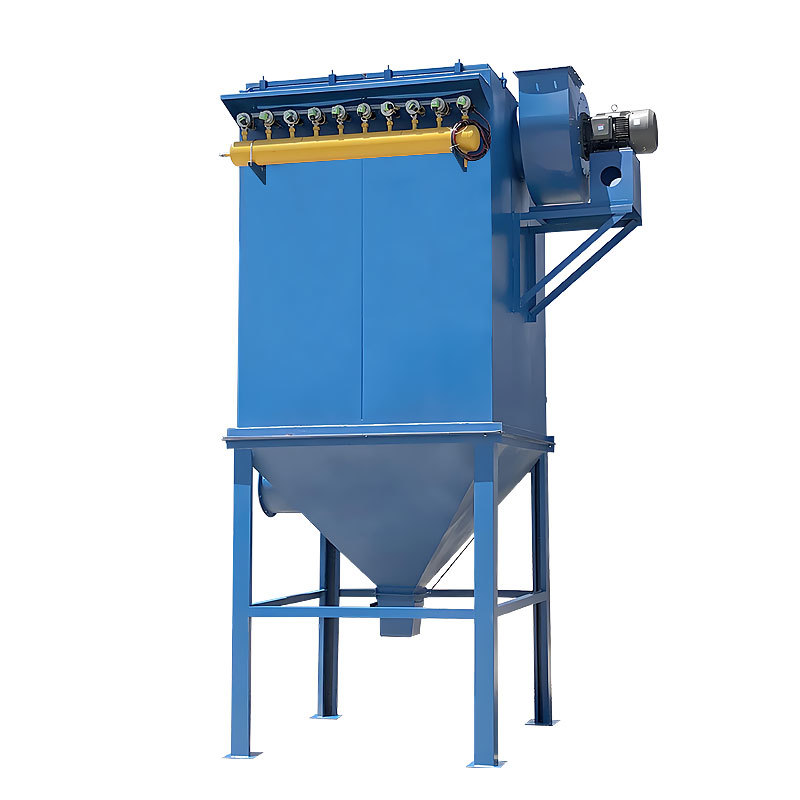
Air quality is a critical aspect of many industries, particularly those that involve material processing and manufacturing. One of the most effective methods for maintaining clean air in these environments is through the use of **bag dust collectors** and air filtration systems. Understanding the science behind these mechanisms not only highlights their importance but also provides insights into how they can be optimized for better performance.
Table of Contents
- Introduction to Bag Dust Collectors
- How Bag Dust Collectors Work
- Types of Bag Dust Collectors
- Benefits of Bag Dust Collectors
- Understanding Air Filtration Systems
- Importance of Air Filtration in Industrial Settings
- Maintaining Efficiency in Dust Collection and Air Filtration
- The Future of Dust Collection Technology
- Frequently Asked Questions
- Conclusion
Introduction to Bag Dust Collectors
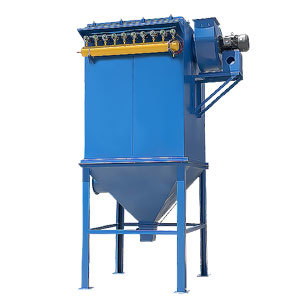
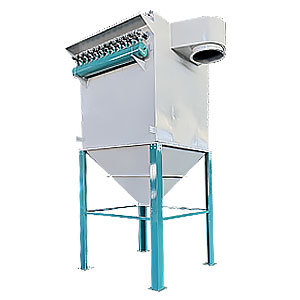
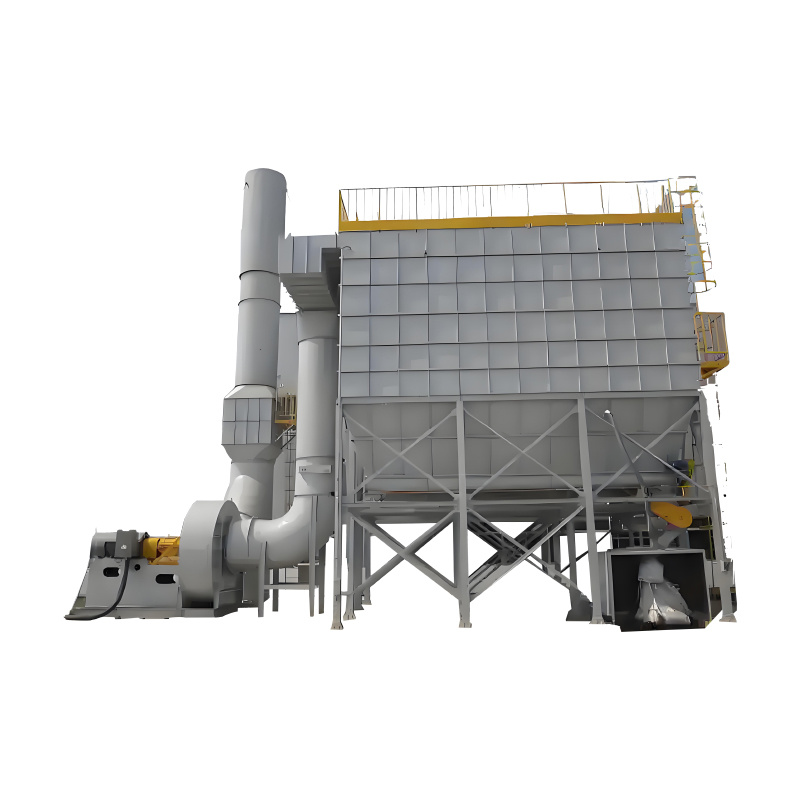
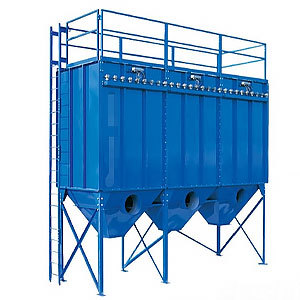
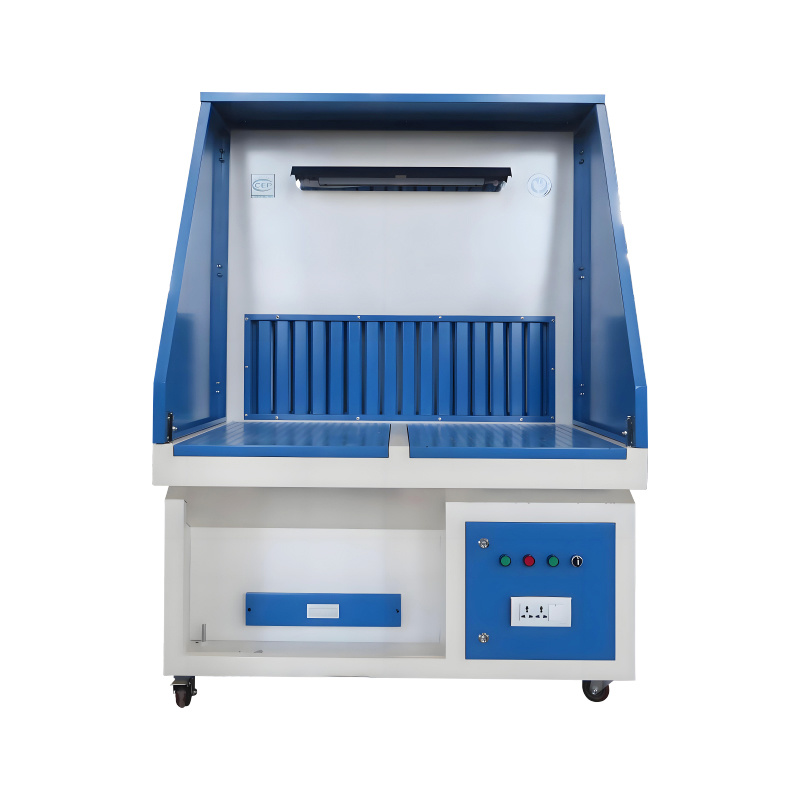
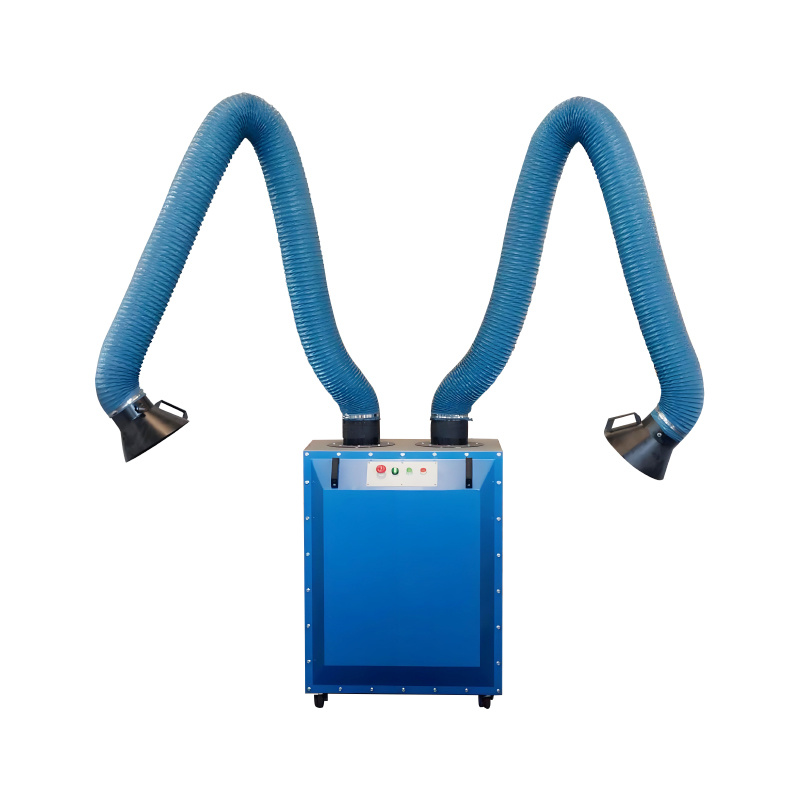
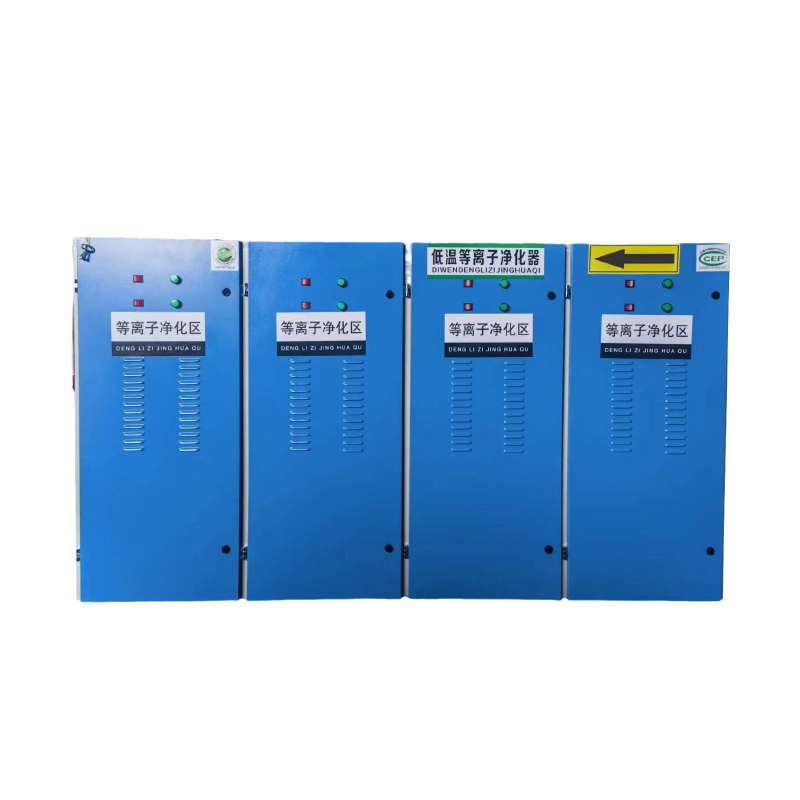
Bag dust collectors play a pivotal role in maintaining air quality within industrial environments. These devices capture particulate matter generated during processes such as welding, cutting, or material handling. By employing advanced filtration techniques, bag dust collectors help mitigate health risks associated with airborne dust particles, enhancing the safety and productivity of the workplace.
How Bag Dust Collectors Work
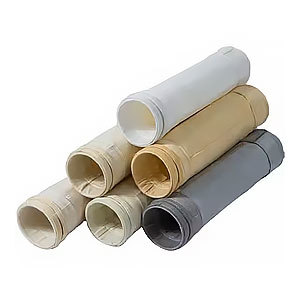
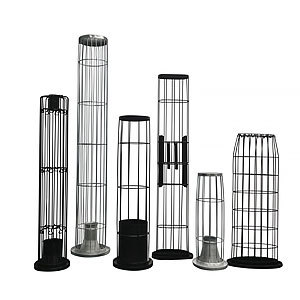
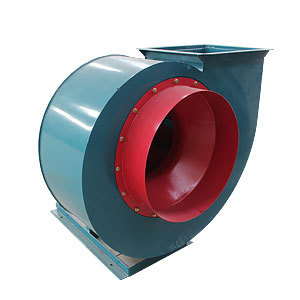
At the core of bag dust collectors is a simple yet effective mechanism. The process begins with **air intake**, wherein polluted air is drawn into the collector through a fan or blower. As the air flows through the system, it passes through filter bags made of various materials designed to capture dust particulates.
The Filtration Process
1. **Pre-Filter Stage:** Initially, larger particles are separated from the air stream using a pre-filter, which prolongs the lifespan of the main filter bags.
2. **Main Filtration Stage:** As air continues to flow, it enters the main filtration bags. The fabric material used traps finer particles. Over time, a dust cake forms on the surface of the bags, which actually improves filtration efficiency by creating a barrier against smaller particulates.
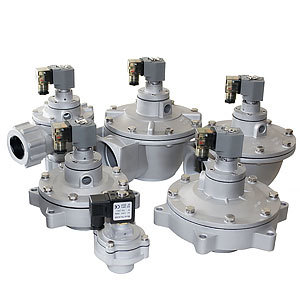
3. **Dust Removal:** To maintain optimal performance, periodic cleaning of the filter bags is conducted through methods such as pulse jet cleaning, wherein bursts of compressed air dislodge the accumulated dust.
Types of Bag Dust Collectors
Bag dust collectors come in several designs, each tailored for specific applications and environments. Understanding these types can help businesses select the right system for their needs.
1. Cartridge Collectors
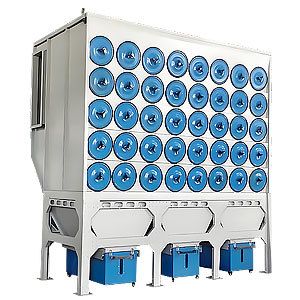
Cartridge collectors utilize cylindrical filter cartridges instead of traditional bags. They are particularly effective for applications involving fine dust and have a smaller footprint, making them suitable for facilities with space constraints.
2. Ambient Collectors
These systems are ideal for environments where air quality must be monitored continuously. Ambient collectors filter air from the workplace atmosphere, ensuring consistent air quality.
3. Centralized Systems
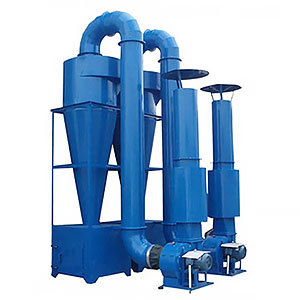
Centralized dust collection systems consist of a network of ducts connected to multiple workstations. They are effective for larger facilities with multiple dust-producing processes.
Benefits of Bag Dust Collectors
Investing in a bag dust collector offers numerous advantages:
- **Improved Air Quality:** By effectively removing harmful particulates, these systems contribute to a healthier work environment.
- **Compliance with Regulations:** Many industries are subject to stringent air quality regulations. Bag dust collectors help businesses meet these standards.
- **Increased Equipment Longevity:** Cleaner air reduces wear and tear on machinery, extending equipment life and reducing maintenance costs.
- **Enhanced Productivity:** A cleaner work environment leads to fewer health-related absences and improved worker morale.
Understanding Air Filtration Systems
Air filtration systems complement bag dust collectors by targeting various airborne contaminants, including gases, vapors, and microorganisms. These systems are crucial in environments where air purity is essential.
Key Components of Air Filtration Systems
- **Pre-Filters:** Capture larger particles before air enters the main filtration unit.
- **HEPA Filters:** High-Efficiency Particulate Air filters are capable of removing up to 99.97% of dust, pollen, and other small particles.
- **Activated Carbon Filters:** These filters absorb odors and gases, providing additional purification for sensitive environments.
Importance of Air Filtration in Industrial Settings
Air filtration is not merely an accessory to dust collection; it is essential for maintaining a safe and productive workplace. Dust particles can carry harmful substances, and inadequate filtration can lead to numerous health issues for employees.
Health Benefits
Effective air filtration reduces the risk of respiratory diseases and allergic reactions, promoting overall employee wellness. Furthermore, clean air is vital in industries such as food processing and pharmaceuticals, where contamination can have severe consequences.
Operational Efficiency
By maintaining optimal air quality, businesses can enhance operational efficiency. Clean air reduces the chances of equipment malfunction due to dust accumulation, ensuring smooth operations.
Maintaining Efficiency in Dust Collection and Air Filtration
Regular maintenance of bag dust collectors and air filtration systems is critical for long-term efficiency and effectiveness.
Routine Inspections
Conducting routine inspections helps identify potential issues before they escalate. Check for wear on filter bags, monitor airflow rates, and ensure that all components are functioning correctly.
Cleaning Protocols
Establishing a cleaning protocol is vital. Depending on the volume of dust generated, filter bags may require cleaning weekly or monthly to maintain optimal performance.
The Future of Dust Collection Technology
As technology advances, so does the field of dust collection. Innovations such as smart sensors and automated cleaning systems are revolutionizing how industries manage air quality.
Integration of IoT
The Internet of Things (IoT) allows for real-time monitoring of dust levels and system performance. This integration can lead to proactive maintenance and improved efficiency, ultimately reducing costs.
Emerging Materials
New filter materials are being developed to enhance filtration efficiency and extend the lifespan of dust collectors. These materials aim to capture even smaller particles and improve energy efficiency.
Frequently Asked Questions
1. What is the primary function of a bag dust collector?
Bag dust collectors primarily function to capture and filter particulate matter from the air in industrial environments, promoting cleaner air quality.
2. How often should bag dust collectors be cleaned?
The frequency of cleaning depends on factors such as dust generation and operational hours, but typically, cleaning should occur weekly or monthly.
3. Can bag dust collectors remove fine particles?
Yes, bag dust collectors are designed to capture a range of particle sizes, including fine dust, especially when equipped with the appropriate filter media.
4. Are air filtration systems necessary in addition to dust collectors?
Yes, air filtration systems complement dust collectors by targeting various airborne contaminants, ensuring comprehensive air quality management.
5. What industries benefit the most from bag dust collectors?
Industries such as manufacturing, woodworking, pharmaceuticals, and food processing benefit significantly from bag dust collectors to maintain air quality and comply with regulations.
Conclusion
Understanding the science behind bag dust collectors and air filtration systems is essential for optimizing air quality in industrial settings. These technologies not only aid in compliance with health regulations but also enhance the overall productivity and safety of the workplace. By investing in the right systems and maintaining them properly, businesses can create a cleaner, healthier environment for their employees while ensuring the longevity of their equipment. As technology continues to evolve, the future of dust collection and air filtration promises even greater efficiency and effectiveness, making it an indispensable component of modern industrial operations.
Hot Tags:
PREVIOUS:


Contact Us
Tel:
WeChat:
WhatsApp:
E-mail:
Address:
338 National Road South, Longfengdian Village, Botou City, Hebei Province, China
JiuznTomine is expertly delivering technically complicated projects in markets & provides custom solutions for their customized need.


CONTACT INFO
Tel: +86 18531710311
WeChat: +86-18531710311
338 National Road South, Longfengdian Village, Botou City, Hebei Province, China