













Understanding Baghouse Dust Collection System Supply: Key Insights for Professionals
Jun 23,2025
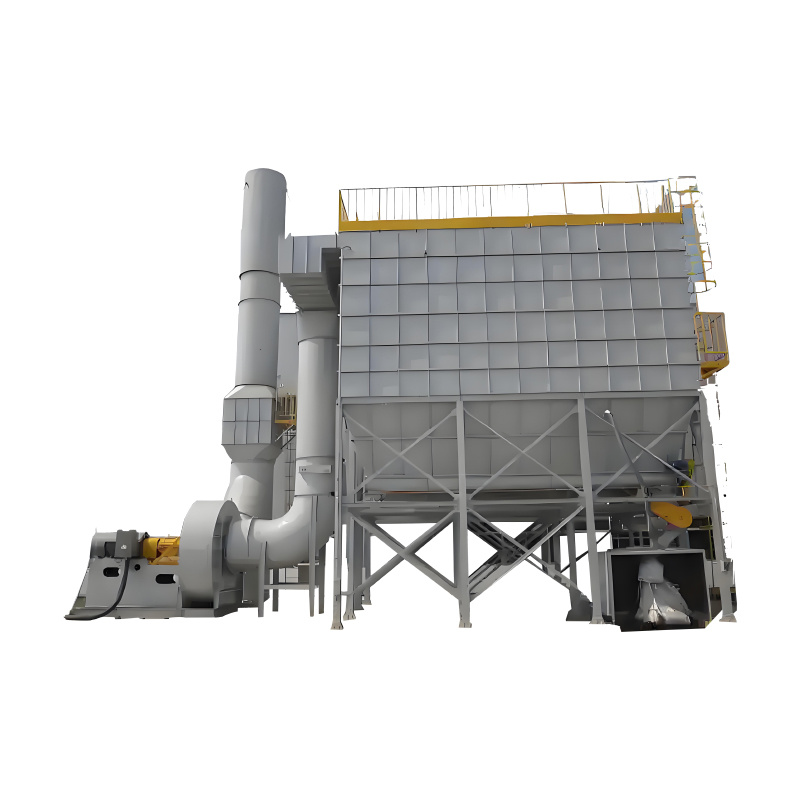
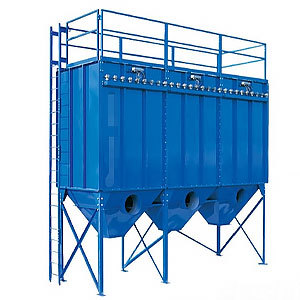
Baghouse dust collection systems are essential components in various industrial processes, designed to efficiently capture and filter dust particles from the air. These systems play a pivotal role in maintaining air quality and ensuring compliance with environmental regulations. To effectively supply a baghouse dust collection system, several factors need to be considered, including system design,

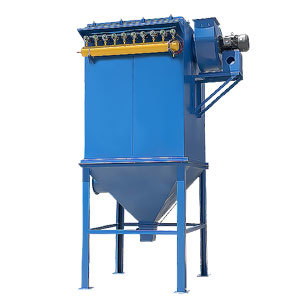
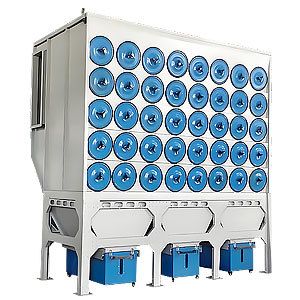
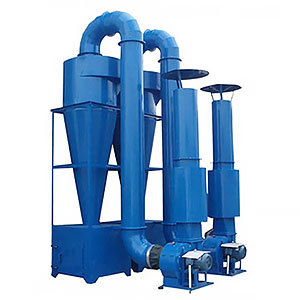
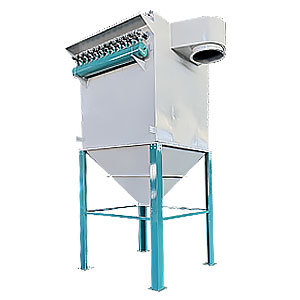
Baghouse dust collection systems are essential components in various industrial processes, designed to efficiently capture and filter dust particles from the air. These systems play a pivotal role in maintaining air quality and ensuring compliance with environmental regulations. To effectively supply a baghouse dust collection system, several factors need to be considered, including system design, material selection, and operational efficiency.
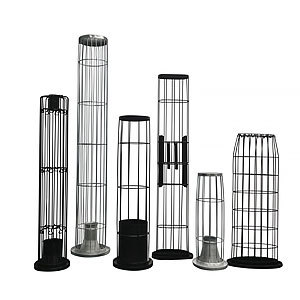
At the heart of a baghouse dust collection system is its filter media, typically composed of woven or felted fabric. The choice of material greatly influences the system's performance and longevity. Professionals must evaluate the specific application requirements, such as the type of dust, particle size, and temperature, to select the appropriate filter media. High-quality filter bags not only enhance dust capture efficiency but also minimize pressure drop, ensuring the system operates effectively.
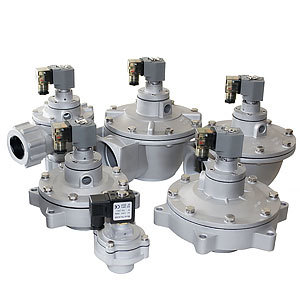
Another crucial aspect of supplying a baghouse dust collection system involves understanding its operational principles. Baghouses operate primarily through two methods: pulse jet and shaker systems. Pulse jet systems use bursts of compressed air to clean the filter bags periodically, while shaker systems rely on mechanical shaking to dislodge collected dust. Each method has its advantages and is suited to different applications. Selecting the right cleaning mechanism is vital for maintaining optimal performance and extending the lifespan of the filter media.
Additionally, the design and layout of the baghouse must be tailored to the specific needs of the facility. Factors such as airflow requirements, dust loading, and spatial constraints should guide the design process. A well-engineered baghouse not only enhances dust collection efficiency but also reduces energy consumption, leading to lower operational costs.
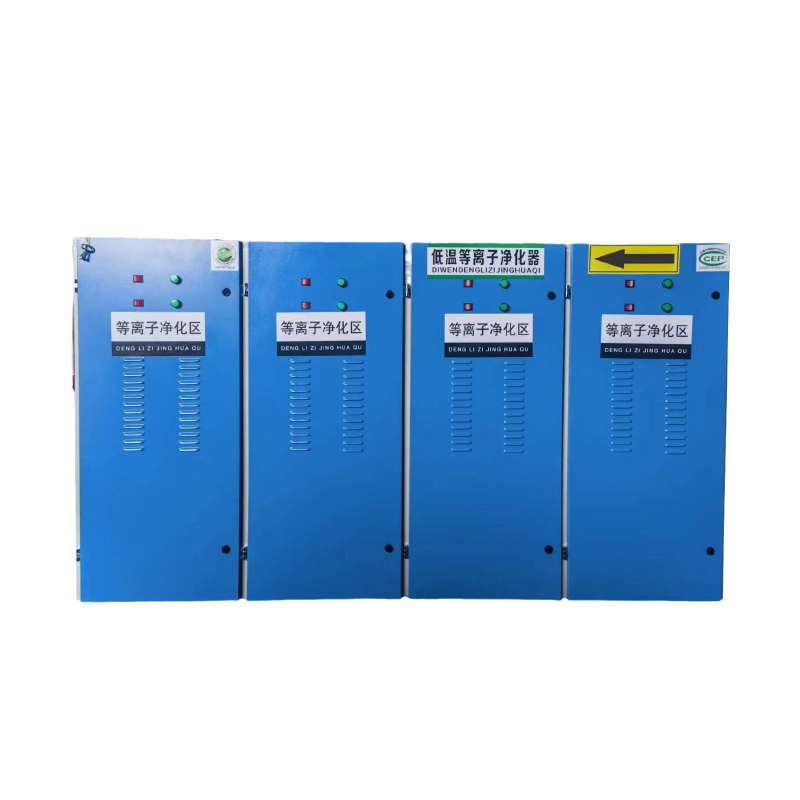
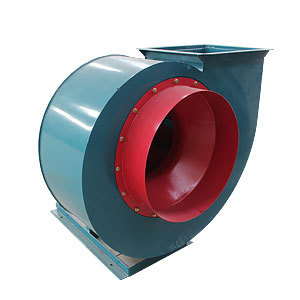
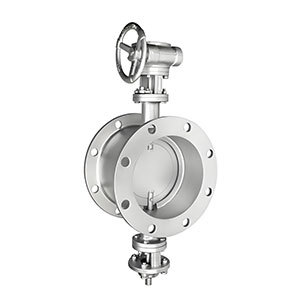
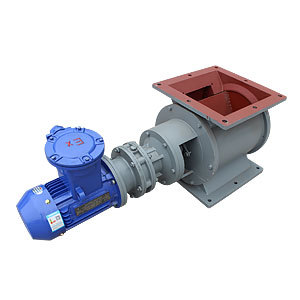
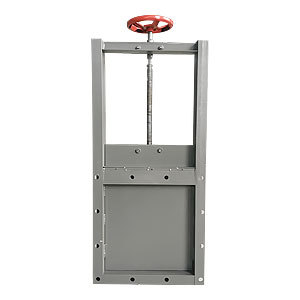
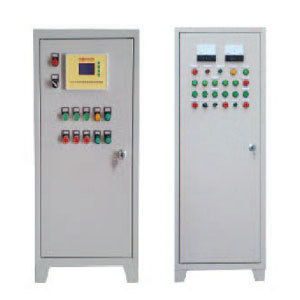
It's also essential to consider the supply chain dynamics associated with baghouse dust collection systems. This includes sourcing quality components, such as fans, ductwork, and control systems, from reliable suppliers. Establishing strong relationships with manufacturers and vendors can lead to better access to innovative technologies and faster response times for maintenance and support.
In conclusion, understanding the intricacies of baghouse dust collection system supply is critical for professionals in the industrial air purification sector. By focusing on material selection, operational principles, and design considerations, industry experts can effectively meet the challenges posed by dust management. Investing time and resources into these areas will ultimately lead to improved system performance, compliance with regulations, and a cleaner work environment.
At the heart of a baghouse dust collection system is its filter media, typically composed of woven or felted fabric. The choice of material greatly influences the system's performance and longevity. Professionals must evaluate the specific application requirements, such as the type of dust, particle size, and temperature, to select the appropriate filter media. High-quality filter bags not only enhance dust capture efficiency but also minimize pressure drop, ensuring the system operates effectively.
Another crucial aspect of supplying a baghouse dust collection system involves understanding its operational principles. Baghouses operate primarily through two methods: pulse jet and shaker systems. Pulse jet systems use bursts of compressed air to clean the filter bags periodically, while shaker systems rely on mechanical shaking to dislodge collected dust. Each method has its advantages and is suited to different applications. Selecting the right cleaning mechanism is vital for maintaining optimal performance and extending the lifespan of the filter media.
Additionally, the design and layout of the baghouse must be tailored to the specific needs of the facility. Factors such as airflow requirements, dust loading, and spatial constraints should guide the design process. A well-engineered baghouse not only enhances dust collection efficiency but also reduces energy consumption, leading to lower operational costs.
It's also essential to consider the supply chain dynamics associated with baghouse dust collection systems. This includes sourcing quality components, such as fans, ductwork, and control systems, from reliable suppliers. Establishing strong relationships with manufacturers and vendors can lead to better access to innovative technologies and faster response times for maintenance and support.
In conclusion, understanding the intricacies of baghouse dust collection system supply is critical for professionals in the industrial air purification sector. By focusing on material selection, operational principles, and design considerations, industry experts can effectively meet the challenges posed by dust management. Investing time and resources into these areas will ultimately lead to improved system performance, compliance with regulations, and a cleaner work environment.
Hot Tags:
PREVIOUS:


Contact Us
Tel:
WeChat:
WhatsApp:
E-mail:
Address:
338 National Road South, Longfengdian Village, Botou City, Hebei Province, China
JiuznTomine is expertly delivering technically complicated projects in markets & provides custom solutions for their customized need.


CONTACT INFO
Tel: +86 18531710311
WeChat: +86-18531710311
338 National Road South, Longfengdian Village, Botou City, Hebei Province, China