













Why Your Facility Needs a Reliable Baghouse Dust Collector: Enhancing Air Quality and Operational Efficiency
Jun 18,2025
Why Your Facility Needs a Reliable Baghouse Dust Collector
In today's industrial landscape, maintaining a clean and safe working environment is not just a regulatory requirement; it is essential for operational efficiency, employee health, and environmental responsibility. One of the most effective solutions to achieve this goal is the installation of a **reliable baghouse dust collector**. This a

Why Your Facility Needs a Reliable Baghouse Dust Collector
In today's industrial landscape, maintaining a clean and safe working environment is not just a regulatory requirement; it is essential for operational efficiency, employee health, and environmental responsibility. One of the most effective solutions to achieve this goal is the installation of a **reliable baghouse dust collector**. This article delves into the various aspects of why your facility needs such a system, emphasizing its multifaceted benefits.
Understanding Baghouse Dust Collectors
Before exploring the benefits of baghouse dust collectors, it is crucial to understand what they are and how they function. A baghouse dust collector is a type of air pollution control device that captures and removes particulate matter from industrial exhaust gases. These systems utilize fabric filters (bags) to trap dust and other contaminants, allowing for cleaner air to be released back into the environment.
Components of a Baghouse Dust Collector
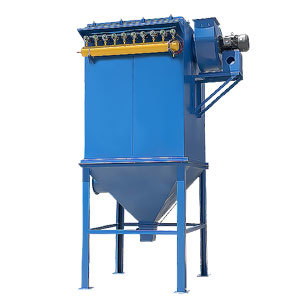
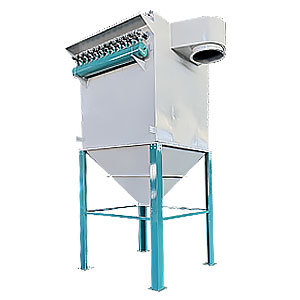
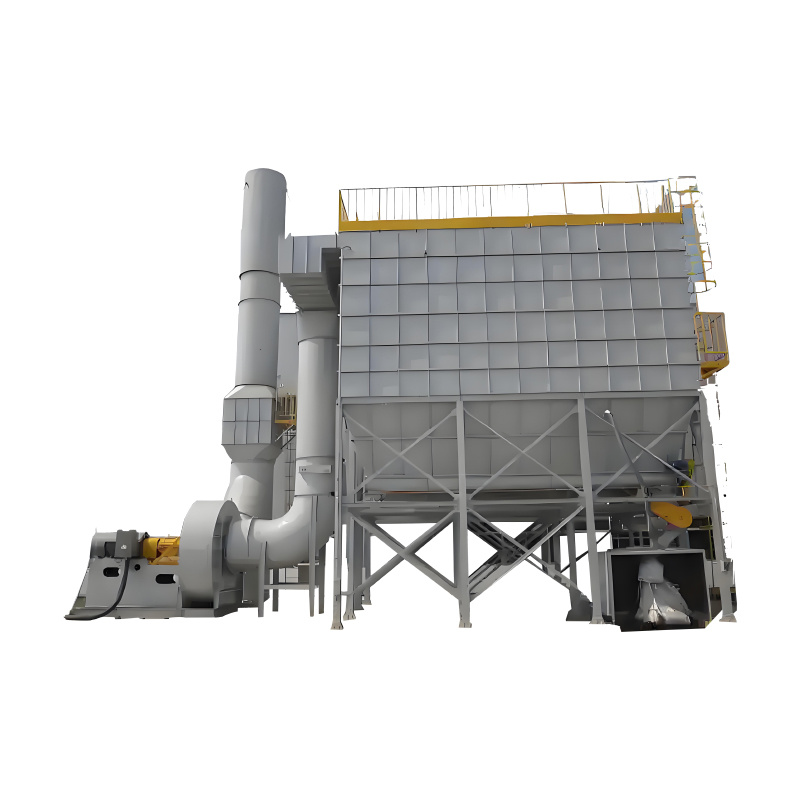
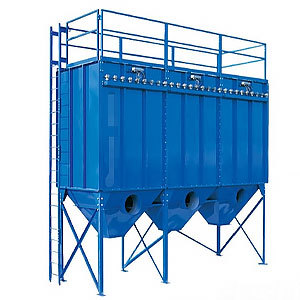
A typical baghouse dust collector consists of the following components:
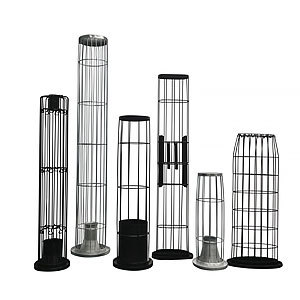
- Filter Bags: The heart of the baghouse, these fabric filters capture particles from the airflow.
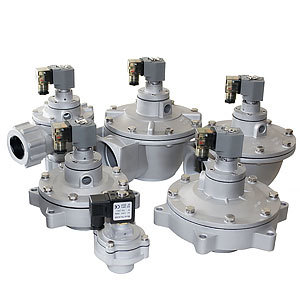
- Cleaning Mechanism: Automatic or manual systems that periodically clean the filter bags to maintain efficiency.
- Inlet and Outlet Ducts: Channels that direct the contaminated air into the collector and the clean air back into the environment.
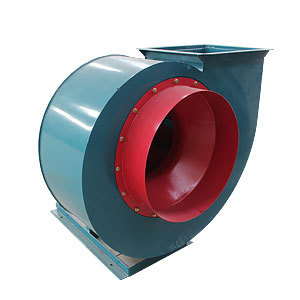
- Fan and Blower Units: These components create the necessary airflow for effective dust collection.
- Hopper: The area where collected dust accumulates before disposal.
The Importance of Air Quality in Industrial Facilities
Maintaining high air quality standards is crucial in industrial settings for several reasons:
Regulatory Compliance
Industries are subject to strict regulations regarding air quality emissions. Non-compliance can lead to hefty fines, operational shutdowns, and legal repercussions. Implementing a reliable baghouse dust collector ensures that your facility meets local and federal air quality standards.
Employee Health and Safety
Poor air quality can lead to various health issues for employees, including respiratory problems, skin irritations, and fatigue. By investing in a baghouse dust collector, you demonstrate a commitment to employee well-being, which can improve morale and productivity.
Environmental Responsibility
As environmental concerns become increasingly pressing, businesses must take proactive steps to reduce their environmental impact. A baghouse dust collector helps minimize particulate emissions, contributing to a cleaner environment.
Key Benefits of Baghouse Dust Collectors
The decision to invest in a reliable baghouse dust collector comes with numerous advantages:
1. Enhanced Operational Efficiency
With improved air quality and reduced particulate matter, your facility can operate more efficiently. Dust accumulation can interfere with machinery, leading to equipment malfunctions and costly downtime. A baghouse dust collector mitigates this risk by keeping the air clean.
2. Cost Savings in the Long Run
While the initial investment in a baghouse dust collector may seem significant, the long-term savings can be substantial. Reduced maintenance costs, improved energy efficiency, and decreased liability risks contribute to a favorable return on investment.
3. Flexibility and Customization
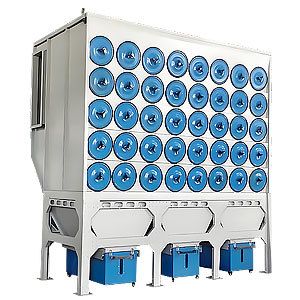
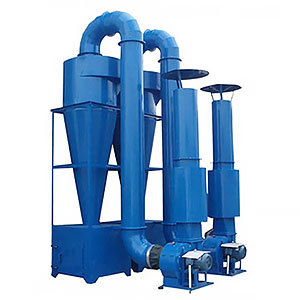
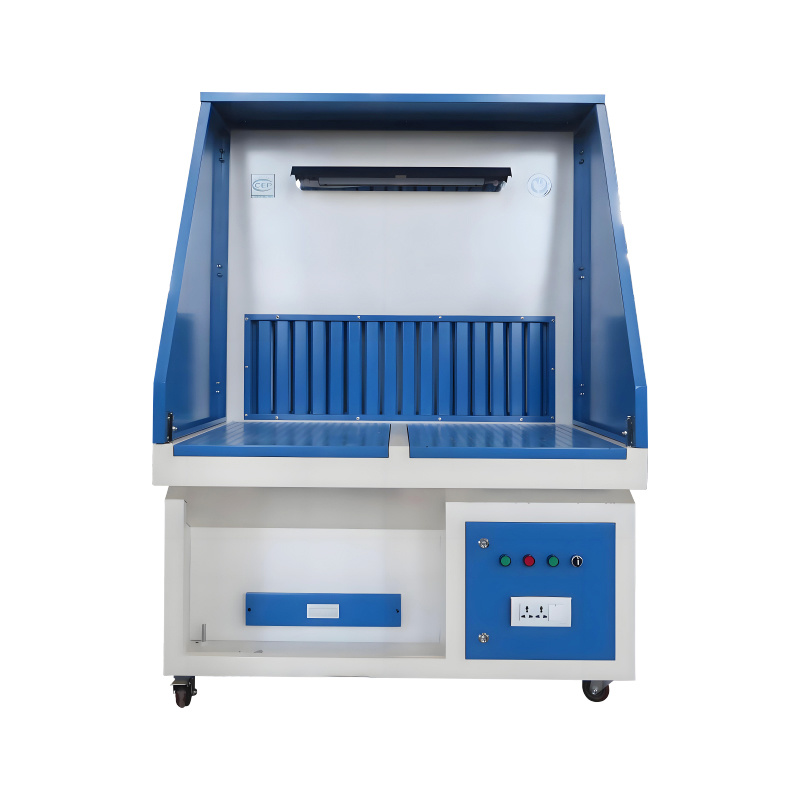
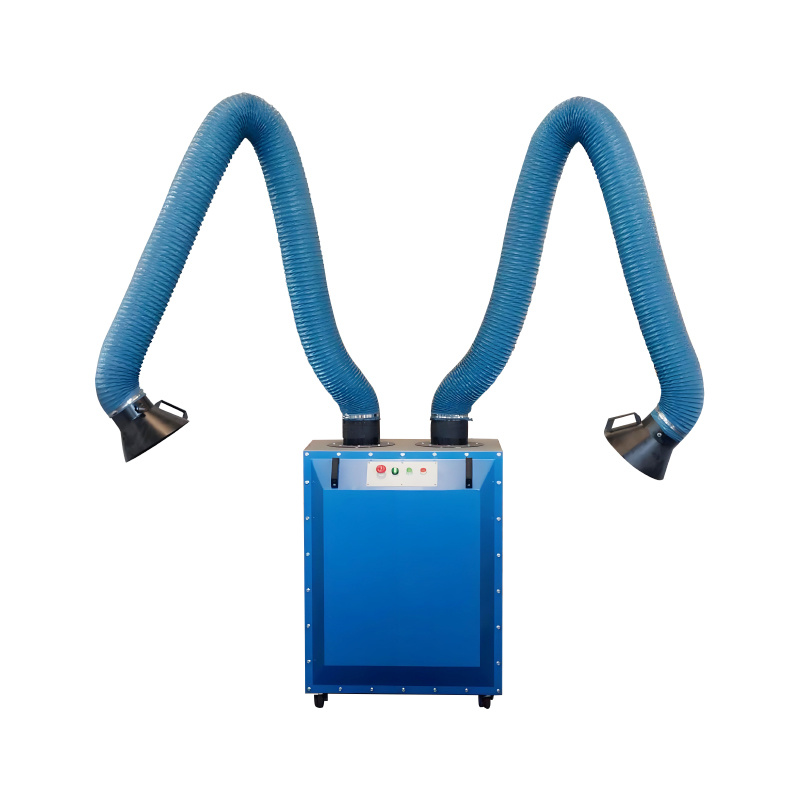
Baghouse dust collectors come in various configurations and sizes, making them suitable for a wide range of industries and applications. Whether your facility processes wood, metal, or chemicals, you can find a solution that meets your specific needs.
4. Improved Product Quality
Dust and particulate matter can contaminate products, leading to defects and quality issues. By ensuring that your facility has a reliable baghouse dust collector, you can maintain the integrity of your products and bolster customer satisfaction.
5. Easy Maintenance and Operation
Modern baghouse dust collectors are designed for ease of use and maintenance. Many systems feature automatic cleaning mechanisms, reducing the need for manual intervention and minimizing downtime.
How to Choose the Right Baghouse Dust Collector for Your Facility
Selecting the appropriate baghouse dust collector involves several considerations:
1. Assess Your Dust Collection Needs
Evaluate the type and amount of dust generated in your facility. Different materials require different filtration methods, so understanding your specific needs is crucial.
2. Consider the Airflow Requirements
The airflow capacity of the dust collector should align with your facility's requirements. A unit that is too small will struggle to keep up, while one that is too large may lead to inefficiencies.
3. Evaluate Filter Types
Different filter materials offer varying levels of filtration efficiency. Assess your requirements, including the type of dust and particulate size, to choose the most suitable filter type.
4. Look for Automation Features
Automated cleaning systems can significantly reduce maintenance efforts and improve operational efficiency. When evaluating options, consider systems with advanced technology that supports automation.
5. Consult with Experts
Engaging with industry professionals who specialize in dust collection systems can provide invaluable insights. Their expertise can guide you in selecting the best baghouse dust collector for your facility.
Installation and Maintenance of Baghouse Dust Collectors
Once you have chosen a reliable baghouse dust collector, proper installation and maintenance are critical for optimal performance:
1. Professional Installation
Although some facilities may attempt to undertake installation in-house, hiring professionals ensures that the system is set up correctly for maximum efficiency.
2. Regular Maintenance Schedule
Establishing a routine maintenance schedule is vital to keep the system functioning effectively. Regular inspections, cleaning, and part replacements can prevent costly breakdowns.
3. Monitoring Performance
Utilizing monitoring systems can help track the performance of your dust collector, allowing for early detection of issues and timely intervention.
Common Misconceptions About Baghouse Dust Collectors
Despite their effectiveness, there are several misconceptions surrounding baghouse dust collectors:
1. Baghouse Collectors Are Only for Large Facilities
While larger operations benefit from baghouse systems, even small and medium-sized facilities can achieve significant advantages from these collectors.
2. They Require Constant Oversight
Modern baghouse dust collectors are designed with automation features that reduce the need for constant monitoring and manual intervention.
3. Installation Is Too Complex
Although proper installation is essential, many manufacturers offer support and guidance to simplify the process.
Frequently Asked Questions (FAQs)
1. What is the average lifespan of a baghouse dust collector?
The lifespan of a baghouse dust collector can vary widely based on usage and maintenance, but most systems can last 15 to 20 years with proper care.
2. How often should I clean the filters of my baghouse dust collector?
The frequency of filter cleaning depends on the dust levels in your facility. However, a general recommendation is to inspect and clean filters at least once every few months.
3. Can baghouse dust collectors handle wet dust?
Some baghouse systems can manage wet dust; however, it is crucial to use filters designed for such applications to avoid damage and inefficiencies.
4. Are there energy-efficient options for baghouse dust collectors?
Yes, many manufacturers offer energy-efficient models designed to reduce energy consumption while maintaining high performance.
5. How do I know if my baghouse dust collector is working properly?
Monitoring airflow, pressure drop across the filters, and visible emissions are essential indicators of your dust collector's performance.
Conclusion
Investing in a reliable baghouse dust collector is a crucial step for any industrial facility aiming to improve air quality, ensure regulatory compliance, and promote employee health. With enhanced operational efficiency, cost savings, and a commitment to environmental responsibility, the benefits of such a system far outweigh the initial investment. By understanding the selection, installation, and maintenance processes, your facility can achieve optimal air quality and operational success.
Hot Tags:


Contact Us
Tel:
WeChat:
WhatsApp:
E-mail:
Address:
338 National Road South, Longfengdian Village, Botou City, Hebei Province, China
JiuznTomine is expertly delivering technically complicated projects in markets & provides custom solutions for their customized need.


CONTACT INFO
Tel: +86 18531710311
WeChat: +86-18531710311
338 National Road South, Longfengdian Village, Botou City, Hebei Province, China