












How a Tailored Baghouse Dust Collection System Can Transform Your Air Quality
May 29,2025
How a Tailored Baghouse Dust Collection System Can Transform Your Air Quality
Table of Contents
Introduction to Baghouse Dust Collection Systems
The Importance of Air Quality in Industrial Settings
What is a Baghouse Dust Collection System?
How Baghouse Systems Work
Benefits of a Tailored Baghouse Dust Collection System
Factors to Consider When Selecting a Baghouse System
Installati

How a Tailored Baghouse Dust Collection System Can Transform Your Air Quality
Table of Contents
- Introduction to Baghouse Dust Collection Systems
- The Importance of Air Quality in Industrial Settings
- What is a Baghouse Dust Collection System?
- How Baghouse Systems Work
- Benefits of a Tailored Baghouse Dust Collection System
- Factors to Consider When Selecting a Baghouse System
- Installation and Maintenance of Baghouse Systems
- Case Studies: Successful Implementations
- Frequently Asked Questions
- Conclusion
Introduction to Baghouse Dust Collection Systems
In today's industrial landscape, maintaining high air quality is more crucial than ever. A **tailored baghouse dust collection system** plays a pivotal role in achieving this goal. By capturing harmful airborne particles, these systems not only help in complying with environmental regulations but also promote a healthier workplace.
The Importance of Air Quality in Industrial Settings
Air quality in industrial environments directly affects worker health and productivity. Poor air quality can lead to a range of health issues, including respiratory problems and reduced cognitive function. Furthermore, dust and particulate matter can damage machinery and products, leading to increased operational costs. Prioritizing air quality is not just a regulatory requirement; it's an investment in the workforce and the bottom line.
What is a Baghouse Dust Collection System?
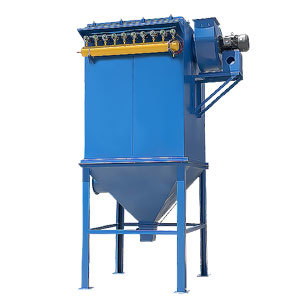
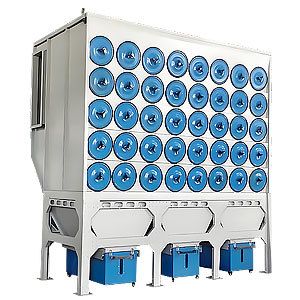
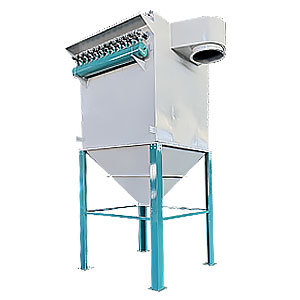
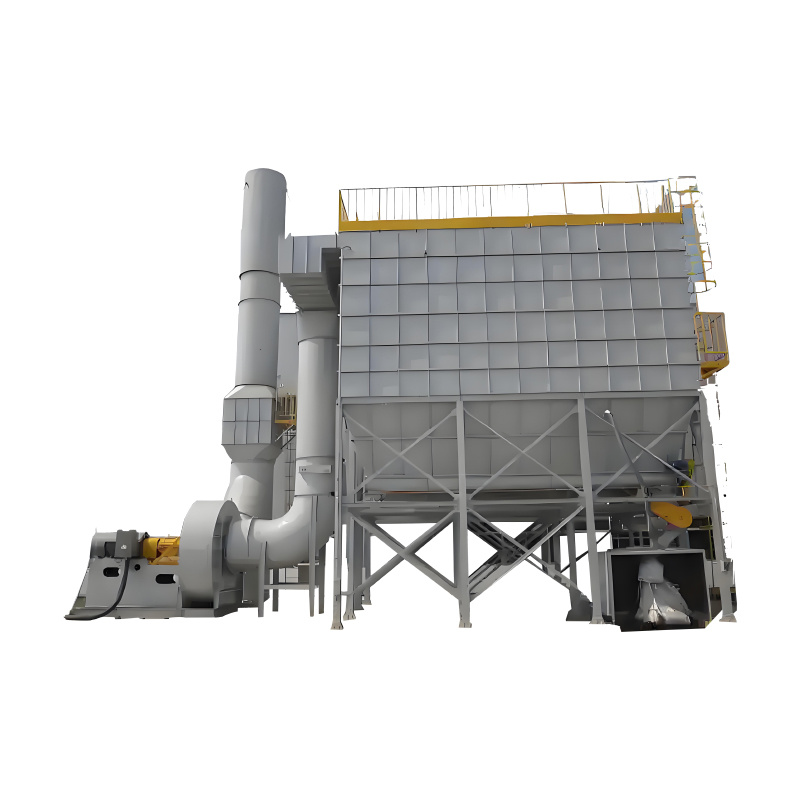
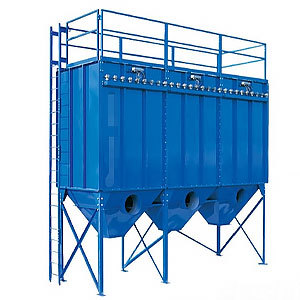
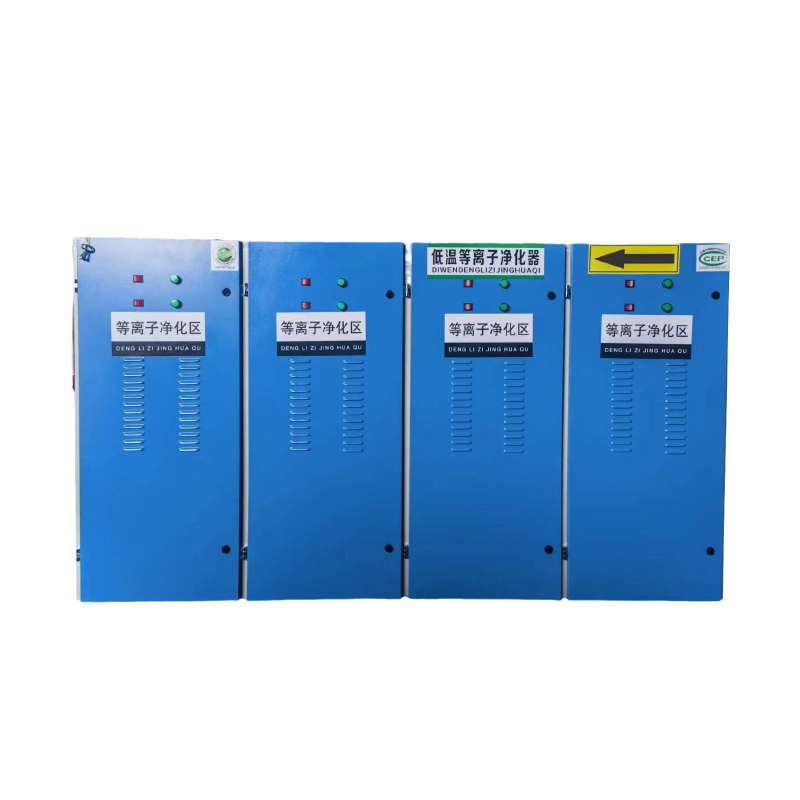
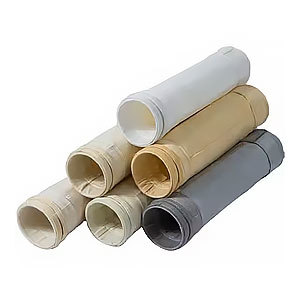
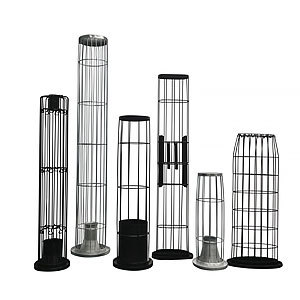
A baghouse dust collection system is an industrial filtration system designed to capture and remove particulate matter from exhaust gases. It consists of a series of fabric filter bags housed in a structure, hence the name "baghouse." These systems are typically employed in industries such as manufacturing, mining, and woodworking, where dust generation is prevalent.
How Baghouse Systems Work
The operation of a baghouse system can be broken down into several key steps:
1. Airflow and Dust Ingress
The process begins when contaminated air is drawn into the baghouse through an inlet. This airflow carries with it dust and particulate matter.
2. Filtration Process
As the air passes through the fabric filter bags, dust particles are trapped on the surface, allowing cleaned air to flow out. The size and material of the bags are tailored to the specific dust type and application.
3. Dust Removal
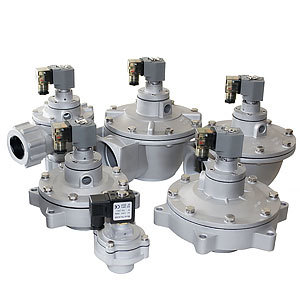
Over time, the collected dust builds up on the filter bags. To maintain efficiency, baghouse systems employ a cleaning mechanism, such as pulse jet cleaning, to dislodge the dust, allowing it to fall into a hopper for disposal.
4. Clean Air Exhaust
Once the dust is removed, the cleaned air is expelled back into the environment or reused in the facility, ensuring minimal waste.
Benefits of a Tailored Baghouse Dust Collection System
Investing in a tailored baghouse dust collection system offers numerous advantages:
1. Enhanced Air Quality
A customized system is designed to meet the specific needs of your facility, ensuring that particulate matter is effectively captured and removed, resulting in significantly improved air quality.
2. Compliance with Regulations
Many industries are subject to strict air quality regulations. A well-designed baghouse system helps ensure compliance, thereby avoiding potential fines and legal issues.
3. Increased Worker Health and Safety
By reducing airborne contaminants, a tailored baghouse system contributes to a healthier workplace environment, reducing the risk of respiratory illnesses and enhancing overall employee well-being.
4. Improved Equipment Longevity
Dust and particulates can cause wear and tear on machinery and equipment. A baghouse system minimizes this exposure, extending the lifespan of your industrial equipment.
5. Cost-Effectiveness
While the initial investment may seem significant, the long-term savings through reduced health care costs, increased productivity, and lower maintenance expenses make tailored baghouse systems a wise financial decision.
Factors to Consider When Selecting a Baghouse System
Choosing the right baghouse dust collection system requires careful consideration of several factors:
1. Type of Dust Generated
Different types of dust require different filtration solutions. For example, fine particulates may need a baghouse with higher filtration efficiency.
2. Volume of Airflow
Understanding the volume of air that needs to be filtered is crucial. This will determine the size and capacity of the baghouse system.
3. Space Constraints
Evaluate the available space for installation. Some systems are more compact, making them suitable for facilities with limited space.
4. Budget
Determine the budgetary constraints for the project. While it’s essential to find a system that meets your needs, it’s also important to ensure it aligns with your financial goals.
5. Maintenance Requirements
Consider the long-term maintenance needs of the system. A tailored solution should offer ease of maintenance without compromising performance.
Installation and Maintenance of Baghouse Systems
Proper installation and ongoing maintenance are critical for the optimal performance of a baghouse dust collection system.
1. Professional Installation
Engaging professionals for installation ensures that the system is set up correctly, maximizing its efficiency and lifespan.
2. Regular Maintenance
Scheduled inspections and maintenance are necessary to ensure the system operates effectively. This includes cleaning the filter bags, checking for leaks, and replacing worn components.
3. Monitoring System Performance
Implementing a monitoring system can help track the efficiency of the baghouse, alerting you to any issues that may arise.
Case Studies: Successful Implementations
To illustrate the effectiveness of tailored baghouse dust collection systems, we present a few case studies:
1. Manufacturing Facility Example
A manufacturing facility implemented a tailored baghouse system to address significant dust issues. Within months, air quality measurements showed a **50% reduction in airborne dust particles**, leading to fewer health complaints among workers and increased productivity.
2. Woodworking Shop Example
A woodworking shop upgraded its dust collection system with a customized baghouse that suited its specific dust profile. The result was improved air quality and reduced machinery downtime due to dust-related issues.
Frequently Asked Questions
1. What is the average lifespan of a baghouse dust collection system?
The lifespan of a baghouse system can vary but typically ranges from **15 to 25 years** with proper maintenance.
2. How often should the filter bags be replaced?
Filter bags should be inspected regularly, with replacements typically needed every **2 to 5 years**, depending on usage and dust type.
3. Can a baghouse system be retrofitted to existing machinery?
Yes, many baghouse systems can be customized and retrofitted to work with existing equipment, enhancing dust control capabilities.
4. What are the common maintenance tasks for a baghouse system?
Common maintenance tasks include cleaning filter bags, checking for leaks, monitoring airflow, and ensuring the cleaning mechanisms function correctly.
5. How do I know if my facility needs a baghouse system?
If your facility generates significant dust, experiences air quality complaints from employees, or faces regulatory issues, a baghouse system may be necessary.
Conclusion
A tailored baghouse dust collection system is more than just a piece of equipment; it’s a vital investment in your facility's health, safety, and efficiency. By providing exceptional dust control and improving air quality, these systems contribute significantly to the well-being of your workforce and the longevity of your equipment. As industries continue to prioritize health and environmental responsibility, adopting a customized baghouse solution is a proactive step toward a cleaner, safer, and more productive workplace.
Hot Tags:


Contact Us
Tel:
WeChat:
WhatsApp:
E-mail:
Address:
338 National Road South, Longfengdian Village, Botou City, Hebei Province, China
JiuznTomine is expertly delivering technically complicated projects in markets & provides custom solutions for their customized need.


CONTACT INFO
Tel: +86 18531710311
WeChat: +86-18531710311
338 National Road South, Longfengdian Village, Botou City, Hebei Province, China