













Comprehensive Guide to Baghouse Dust Collection Systems
May 24,2025
Baghouse dust collection systems are essential in various industrial settings, particularly for operations that generate airborne dust and particulates. These systems play a critical role in maintaining air quality, protecting workers, and ensuring compliance with environmental regulations. Understanding the key components and operational principles of baghouse systems can significantly enhance th

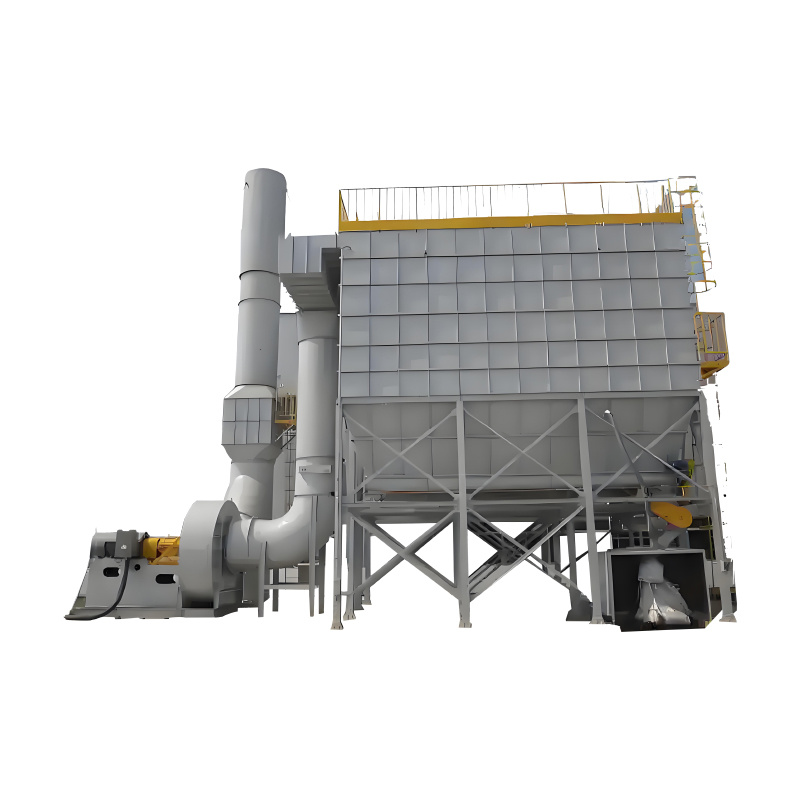
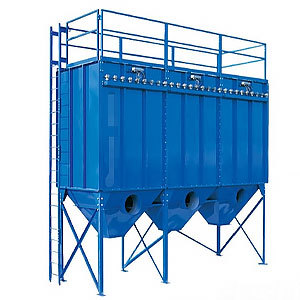
Baghouse dust collection systems are essential in various industrial settings, particularly for operations that generate airborne dust and particulates. These systems play a critical role in maintaining air quality, protecting workers, and ensuring compliance with environmental regulations. Understanding the key components and operational principles of baghouse systems can significantly enhance their effectiveness and longevity.
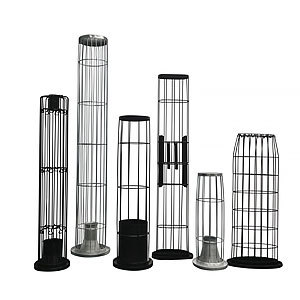
At the core of a baghouse dust collection system is the filter media, typically in the form of fabric bags that capture dust particles as air passes through. The design and materials used for these bags can vary based on the type of dust and the temperature and chemical composition of the exhaust gases. Selecting the appropriate filter media is crucial for optimizing the dust collection efficiency and ensuring the bags withstand the operating conditions.
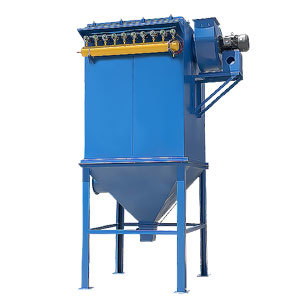
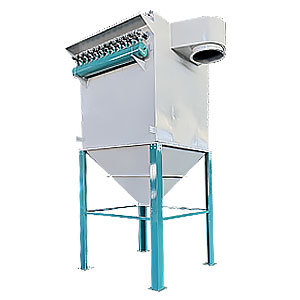
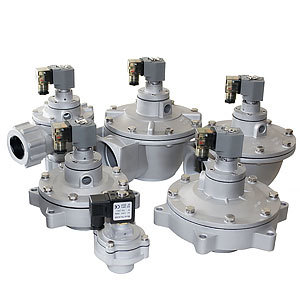
The dust collection process begins when contaminated air enters the baghouse. As air flows through the filter bags, dust particles are trapped on the surface, while cleaned air is released back into the environment. Over time, dust accumulation on the bags can reduce airflow and efficiency, necessitating a cleaning mechanism. Most baghouse systems utilize pulse jet or shaker cleaning methods to dislodge collected dust, allowing it to fall into a hopper for disposal.
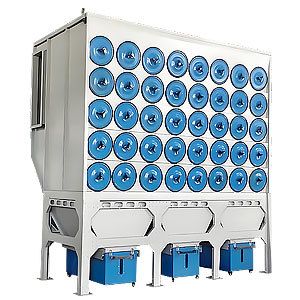
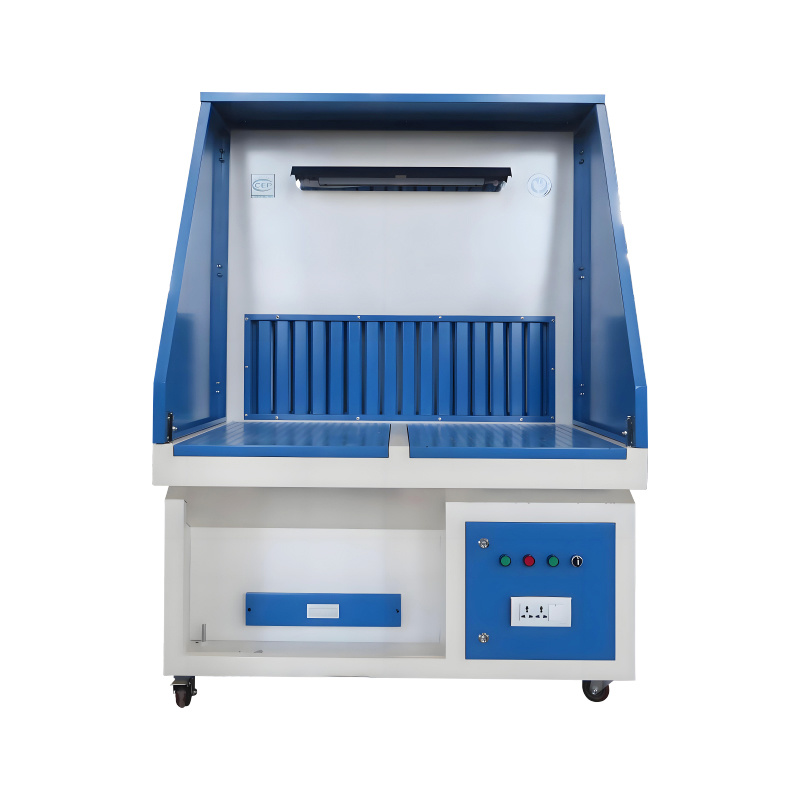
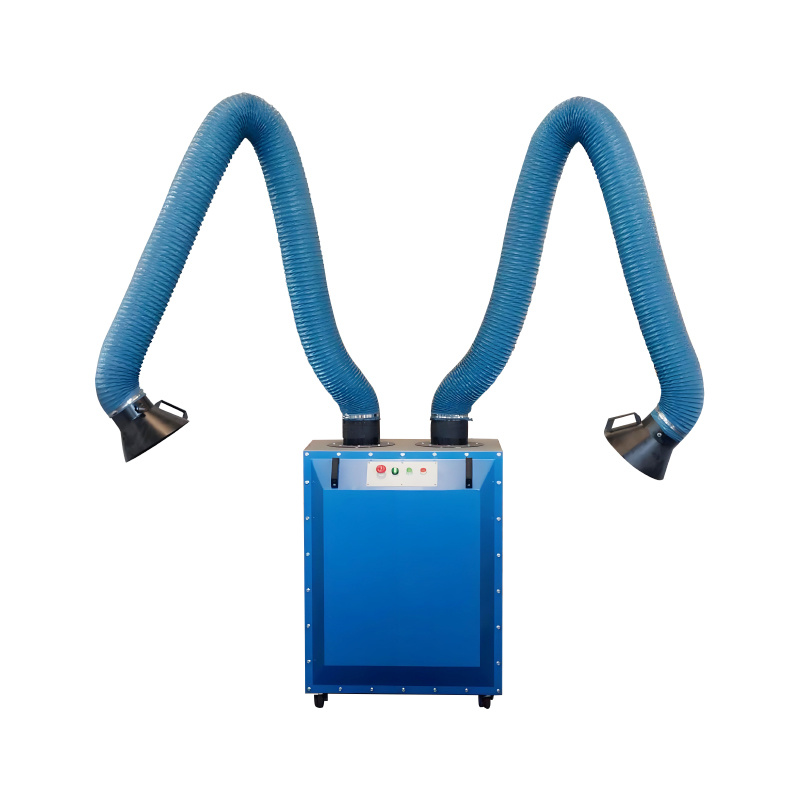
Another essential aspect of baghouse systems is their configuration. Systems can vary from simple to complex designs depending on the dust load and the specific requirements of the industrial process. Options include modular baghouses, which offer flexibility for expansion, and centralized systems that service multiple sources of dust generation.
In addition to operational efficiency, the choice of a baghouse dust collection system can impact maintenance requirements and operational costs. Regular maintenance, including inspections and timely replacement of filter bags, is vital for prolonging the system's life and ensuring consistent performance.
Moreover, integrating a baghouse dust collection system with a facility’s broader air quality management strategy can yield considerable benefits. For instance, pairing these systems with ventilation and air exchange systems can create a comprehensive approach to maintaining a safe and healthy working environment.
In conclusion, investing in a well-designed baghouse dust collection system is pivotal for any industrial operation that produces airborne particulates. By understanding the system's components, operation, and maintenance needs, stakeholders can ensure optimal performance and compliance with health and safety standards, ultimately enhancing productivity and workplace safety.
At the core of a baghouse dust collection system is the filter media, typically in the form of fabric bags that capture dust particles as air passes through. The design and materials used for these bags can vary based on the type of dust and the temperature and chemical composition of the exhaust gases. Selecting the appropriate filter media is crucial for optimizing the dust collection efficiency and ensuring the bags withstand the operating conditions.
The dust collection process begins when contaminated air enters the baghouse. As air flows through the filter bags, dust particles are trapped on the surface, while cleaned air is released back into the environment. Over time, dust accumulation on the bags can reduce airflow and efficiency, necessitating a cleaning mechanism. Most baghouse systems utilize pulse jet or shaker cleaning methods to dislodge collected dust, allowing it to fall into a hopper for disposal.
Another essential aspect of baghouse systems is their configuration. Systems can vary from simple to complex designs depending on the dust load and the specific requirements of the industrial process. Options include modular baghouses, which offer flexibility for expansion, and centralized systems that service multiple sources of dust generation.
In addition to operational efficiency, the choice of a baghouse dust collection system can impact maintenance requirements and operational costs. Regular maintenance, including inspections and timely replacement of filter bags, is vital for prolonging the system's life and ensuring consistent performance.
Moreover, integrating a baghouse dust collection system with a facility’s broader air quality management strategy can yield considerable benefits. For instance, pairing these systems with ventilation and air exchange systems can create a comprehensive approach to maintaining a safe and healthy working environment.
In conclusion, investing in a well-designed baghouse dust collection system is pivotal for any industrial operation that produces airborne particulates. By understanding the system's components, operation, and maintenance needs, stakeholders can ensure optimal performance and compliance with health and safety standards, ultimately enhancing productivity and workplace safety.
Hot Tags:


Contact Us
Tel:
WeChat:
WhatsApp:
E-mail:
Address:
338 National Road South, Longfengdian Village, Botou City, Hebei Province, China
JiuznTomine is expertly delivering technically complicated projects in markets & provides custom solutions for their customized need.


CONTACT INFO
Tel: +86 18531710311
WeChat: +86-18531710311
338 National Road South, Longfengdian Village, Botou City, Hebei Province, China