


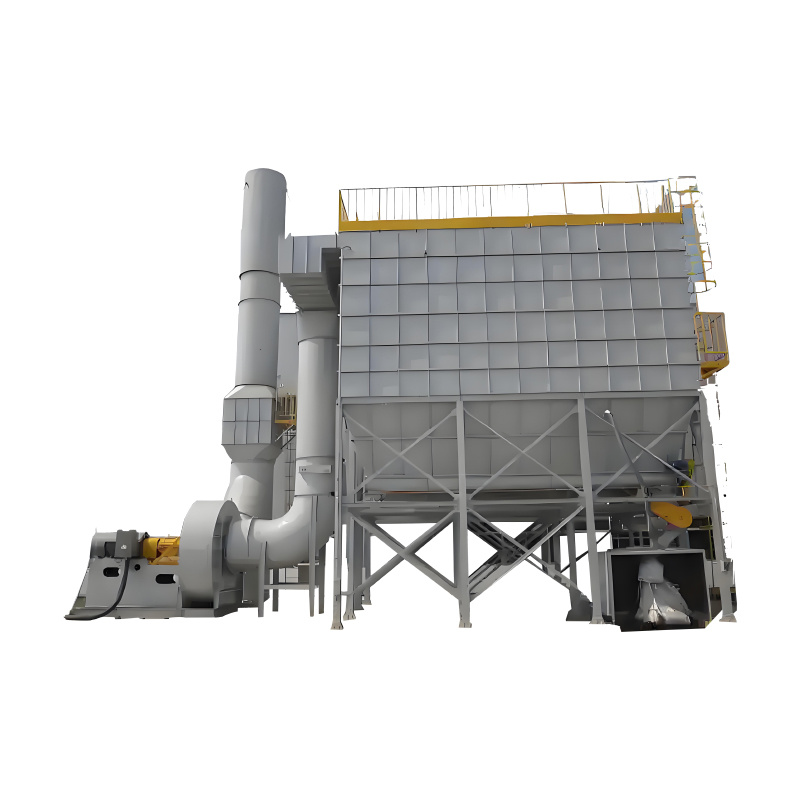
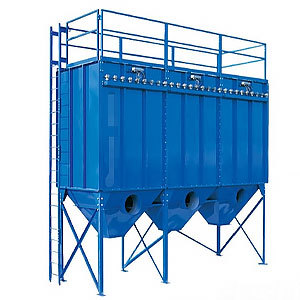









How to choose dust collectors for thermal power plants? Selection guide from high temperature conditions to global compliance
Aug 23,2025

The core pollutant of a thermal power plant is the high temperature and high air volume flue gas generated by boiler combustion. Choosing a dust collector requires overcoming the three major challenges of "high temperature tolerance, high air volume treatment, and corrosion protection", as well as meeting the environmental standards of the target market. For overseas thermal power plants, selection is not only related to environmental standards, but also directly affects the stability of unit operation and long-term maintenance costs, and is a key decision for cross-border equipment procurement.
1、 Four core prerequisites for selecting dust collectors in thermal power plants
1. First match the "flue gas operating conditions": high temperature+high humidity+corrosiveness are key
The characteristics of flue gas in thermal power plants determine the type of dust collector, and three key parameters need to be focused on:
1) Temperature: The flue gas temperature of coal powder boilers is usually 180-350 ℃, and biomass boilers can reach 400 ℃. Temperature resistant equipment should be selected - electrostatic precipitators with a temperature upper limit of 350 ℃. High temperature bag filters should be equipped with PPS filter material or 310S stainless steel filter material;
2) Corrosiveness: The flue gas before desulfurization contains SO ₂, and the humidity of the flue gas after desulfurization reaches over 80%. 316L stainless steel plates/filter bag frames or anti-corrosion coatings should be used;
3) Airflow: If the smoke volume of a single 300MW unit exceeds 1 million m ³/h, the "high wind capacity adaptation type" needs to be selected. A single electrostatic precipitator can cover it, and a bag filter needs to be connected in parallel with multiple units.
2. Lock in 'compliance standards' again: there are significant differences in global emission limits
When selecting dust collectors for overseas thermal power plants, it is necessary to clarify the "emission concentration+certification requirements" of the target market in advance to avoid customs clearance or production obstacles:
1) EU: requires CE (EN 13285) certification, dust emissions ≤ 10mg/m ³;
2) In the United States, in compliance with the EPA Clean Air Act standards, new thermal power plants with emissions ≤ 5mg/m ³ are required to provide EPA certification testing reports;
3) Southeast Asia/Middle East: Emerging markets often require ≤ 30mg/m ³, but it needs to be registered with the local Ministry of Environment, and some regions require third-party testing by SGS.
3. Must calculate "energy-saving account": Long term operating costs are more important than initial investment
The thermal power plant operates continuously 24 hours a day, and the energy consumption of the dust collector directly affects the electricity bill. When selecting, attention should be paid to:
1) Electrostatic precipitator: The energy consumption of the high-voltage power supply system is about 0.3-0.5 kWh/1000m ³ of flue gas, with no filter material replacement cost, suitable for Europe and North America with high electricity costs;
2) High temperature bag filter: The fan resistance is 200-300Pa higher than that of an electrostatic precipitator, and the annual electricity consumption is about 50000 to 100000 US dollars. However, the filter material needs to be replaced every 2-3 years to balance "energy saving" and "filter material cost".
4. Need to adapt to "operation and maintenance conditions": overseas after-sales service cannot be delayed
The shutdown losses of thermal power plants are significant, and when selecting dust collectors, attention should be paid to the supplier's localized service capabilities:
1) Spare parts supply: Suppliers are required to deliver equipment parts and vulnerable parts to the target market's warehouse within 48 hours;
2) Technical support: Provides multilingual operation manuals, remote fault diagnosis services, and requires on-site support from local engineers for complex debugging.
2、 Comparison and recommendation of mainstream dust collectors for thermal power plants
1. Electrostatic precipitator: the "first choice for high air volume" in large thermal power plants
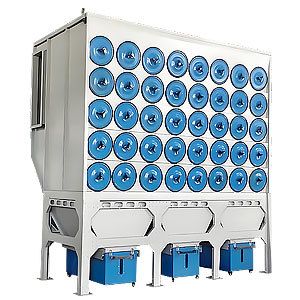
1) Adaptation scenarios: Large units above 300MW, high-temperature and high humidity flue gas, especially suitable for regions with low electricity costs and experienced operation and maintenance teams such as the Middle East and Africa;
2) Core advantages: high air volume processing, temperature resistance of 350 ℃, no filter material loss, and operating costs 30% lower than bag filters;
3) Attention: It is necessary to regularly clean the accumulated dust on the electrode plates. After desulfurization, high humidity flue gas should be treated with anti-corrosion treatment on the electrode plates to avoid creepage short circuits.
2. High temperature bag filter: a precise solution for ultra-low emissions
1) Applicable scenarios: 100-300MW units, areas with emission requirements ≤ 5mg/m ³, or biomass/waste incineration thermal power plants;
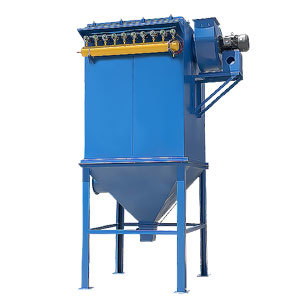
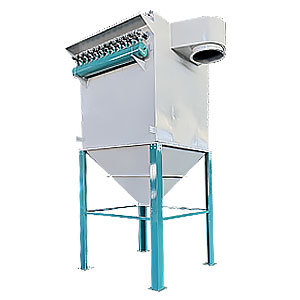
2) Core advantage: With a removal rate of 99.9% for 0.1 μ m fine dust, there is no need to worry about efficiency degradation caused by electrode corrosion, and the system has high stability;
3) Attention: High temperature resistant and hydrolysis resistant filter materials should be selected, and dehumidification devices should be installed on the flue gas after desulfurization to avoid filter bag condensation and blockage.
3. Preprocessing+main dust removal: a "combination strategy" for complex working conditions
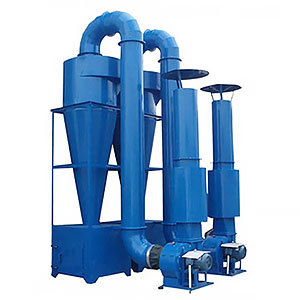
If the flue gas of a thermal power plant contains high concentration fly ash, a combination of "cyclone dust collector+electric/bag dust collector" can be used:
1) The cyclone dust collector first intercepts coarse ash above 10 μ m to reduce wear and tear on the main equipment;
2) The main equipment focuses on fine dust purification, extending the life of vulnerable parts, and is suitable for areas with poor coal quality and high dust concentration such as India and Indonesia.
3、 Selection reference for thermal power plants of different scales
1. Small and medium-sized thermal power plants (≤ 100MW): High temperature bag filters are preferred, as a single unit can meet the air volume requirements. The initial investment is 20% lower than that of electrostatic precipitators, making it suitable for distributed energy projects in Southeast Asia and Africa;
2. Large thermal power plants (≥ 300MW): Choose electrostatic precipitators or "electrostatic precipitator+bag filter" composite equipment. The former is suitable for high air volume and low-cost requirements, while the latter is suitable for ultra-low emission regions such as the European Union and North America;
3. Biomass thermal power plant: High temperature bag filter must be selected to avoid efficiency decline caused by biomass ash adhering to the electrode plate, which meets the environmental requirements of EU renewable energy projects.
The selection of dust collectors for thermal power plants is not about "choosing expensive", but about "choosing the right" - it is necessary to overcome the difficulties of high temperature, corrosion, and high air volume working conditions, while also meeting the compliance standards and operation conditions of the target market. For overseas customers, choosing suppliers with international certification and localized service capabilities is essential to ensure the long-term stable operation of dust collectors, which not only meets environmental requirements but also safeguards the efficient power generation of thermal power plants.
Hot Tags:


Contact Us
Tel:
WeChat:
WhatsApp:
E-mail:
Address:
338 National Road South, Longfengdian Village, Botou City, Hebei Province, China
JiuznTomine is expertly delivering technically complicated projects in markets & provides custom solutions for their customized need.


CONTACT INFO
Tel: +86 18531710311
WeChat: +86-18531710311
338 National Road South, Longfengdian Village, Botou City, Hebei Province, China