











How to choose dust collectors in cement plants? A comprehensive guide from operating conditions to compliance
Aug 22,2025
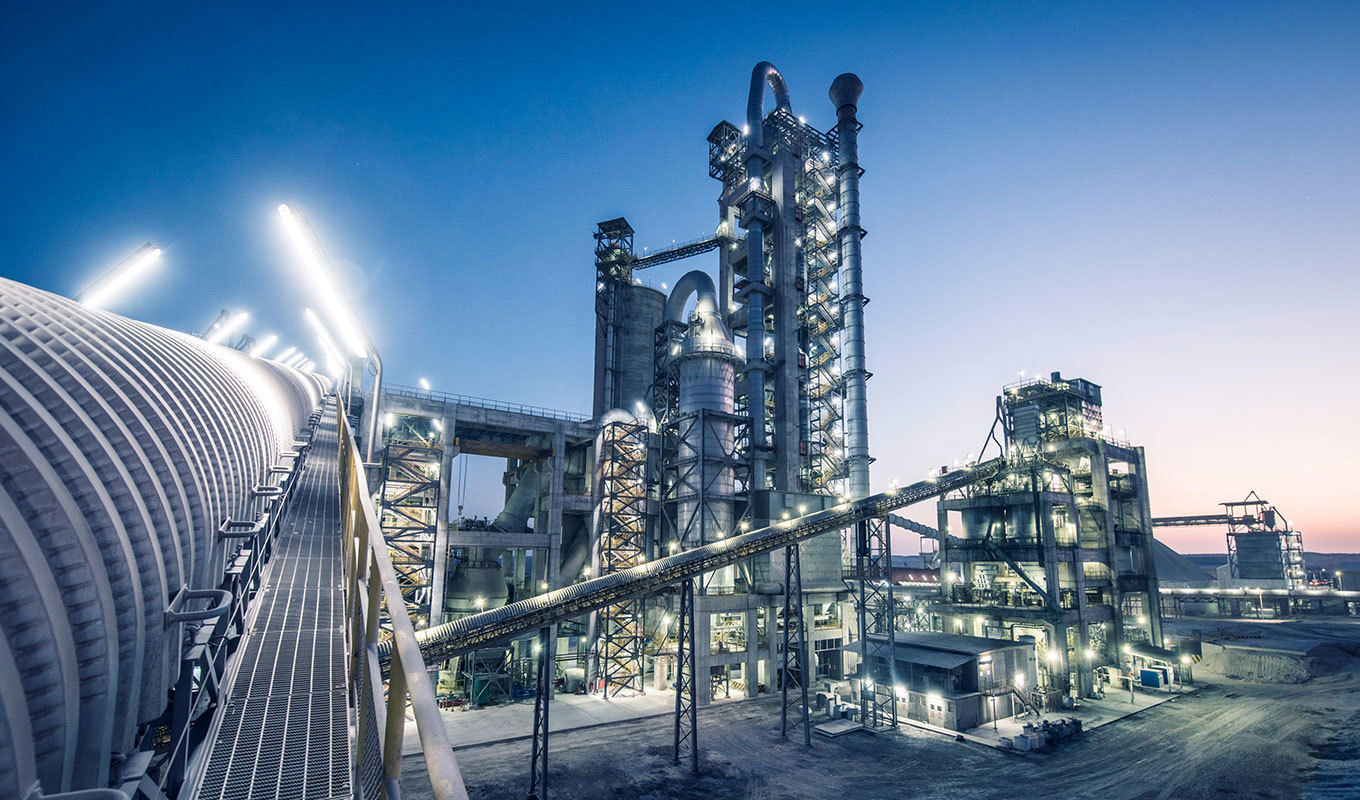
The entire production process of cement plants generates high concentration, high hardness, and alkaline dust. The selection of dust collectors requires precise matching of the working conditions of different sections, while also considering environmental compliance and long-term operation and maintenance costs. For overseas cement plants, it is also necessary to consider the standard requirements of the target market and local adaptation, which directly determines the stability and return on investment of the dust removal system.
1、 Four core dimensions for selecting dust collectors in cement plants
1. Working condition adaptation: prioritize matching "temperature+dust characteristics"
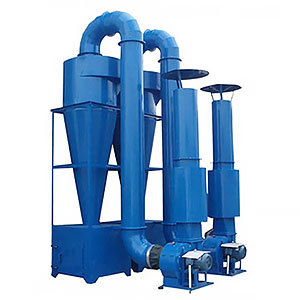
Coarse dust section (raw material crushing): cyclone dust collector is selected
For coarse dust particles larger than 5 μ m, cyclone dust collectors do not require filter media, are wear-resistant, and have an initial investment of only 50% of bag dust collectors. They are suitable as "pre-treatment equipment" to intercept more than 60% of coarse dust and reduce the load on the main equipment.
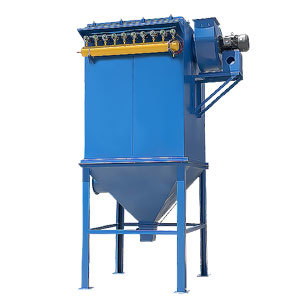
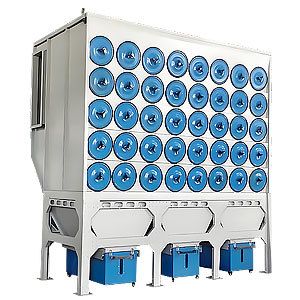
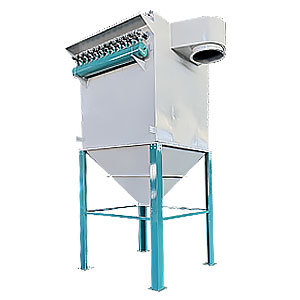
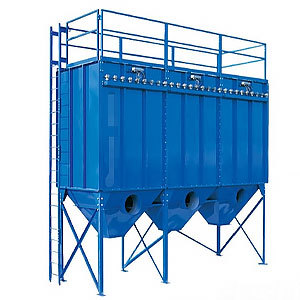
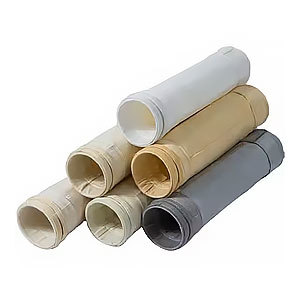
Medium temperature fine dust section (raw material grinding/cement grinding): choose bag filter
Using polyester film or basalt fiber filter media, the removal rate of 0.5 μ m ultrafine dust reaches 99.9%, and it can withstand medium temperatures below 120 ℃; Paired with anti condensation insulation layer to prevent alkaline dust from condensing and blocking.
High temperature section (clinker cooler): choose high-temperature resistant electrostatic precipitator/bag filter
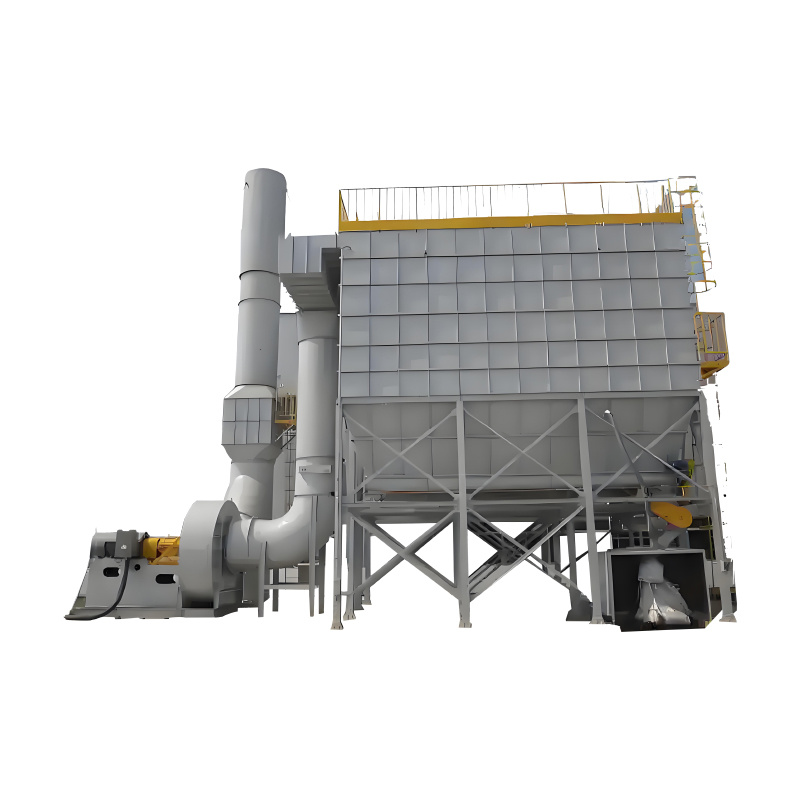
Electric dust collector: with a temperature resistance of up to 300 ℃, capable of processing large air volumes, suitable for large cement plant clinker lines, and low operating costs;
Bag filter: PPS or 310S stainless steel filter material should be selected, with a temperature resistance of over 250 ℃, suitable for small and medium-sized clinker lines, and more stable dust emissions.
2. Compliance: Targeting environmental standards in the target market
When selecting dust collectors for overseas cement plants, it is necessary to confirm the local "emission concentration+certification requirements" in advance:
EU: requires CE certification, emission concentration ≤ 10mg/m ³;
United States: Compliant with EPA Title V emission standards, some states require ≤ 5mg/m ³;
Southeast Asia/Africa: Emerging markets often require ≤ 30-50mg/m ³, but SGS testing reports are required.
Avoiding pitfalls: Avoid using equipment that only meets domestic standards, otherwise it may cause customs clearance obstacles or factory shutdowns due to "emissions not meeting standards".
3. Operation and maintenance costs: focus on the "service life of vulnerable parts+supply of spare parts"
The high concentration of dust in cement plants directly affects the long-term investment in the replacement cost of vulnerable parts
Bag filter: Prioritize the use of wear-resistant coated filter media, extending its lifespan from 1 year to 2-3 years and reducing the frequency of replacement;
Electric dust collector: made of 316L stainless steel plates, resistant to alkali corrosion, with a replacement cycle of more than 5 years;
Foreign trade services: Choose suppliers with spare parts warehouses in the target market to ensure delivery of vulnerable parts within 48 hours and avoid downtime losses.
4. System compatibility: compatible with existing production lines in cement plants
Air volume matching: The dust collector needs to handle air volume 10% -20% higher than the actual working conditions to avoid efficiency decline caused by "small horses pulling large vehicles";
Interface adaptation: Match the size of the discharge port with the crusher and mill, and comply with ANSI flange standards in the North American market and DIN standards in Europe;
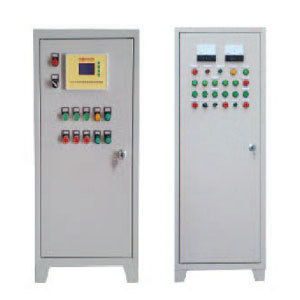
Control linkage: Supports integration with the cement plant DCS system to achieve automatic adjustment of dust concentration and cleaning frequency, meeting the automation requirements of European and American factories.
2、 Recommended selection of cement plants of different scales
The selection strategy for dust collectors in cement plants varies depending on the scale. Small and medium-sized cement plants are equipped with low-cost equipment for use in areas with limited foreign trade budgets; Large cement plants require equipment with high processing capacity and energy efficiency to meet the demands of areas with high environmental protection requirements.
1. Small and medium-sized cement plants (annual output ≤ 1 million tons): Cyclone dust collectors can be used in the crushing section, and small bag dust collectors are suitable for the grinding section. The advantage of this type of selection lies in its low cost, easy maintenance, and suitability for budget limited foreign trade regions such as Southeast Asia and Africa.
2. Large cement plants (with an annual output of ≥ 2 million tons): It is recommended to use electrostatic precipitators for the clinker production line, while large bag filters are suitable for the grinding line. Its advantage lies in handling high air volume and long-term energy saving, suitable for large-scale factory scenarios with strict emission requirements such as the European Union, North America, and the Middle East.
The selection of dust collectors in cement plants is essentially a balancing art of "working conditions, compliance, and cost". For overseas customers, it is not only necessary to choose the right equipment type, but also to pay attention to the supplier's localization service capabilities - from certification support to spare parts supply, from installation and commissioning to personnel training, the full process adaptation is necessary to ensure the long-term stable operation of the dust removal system, which not only meets environmental requirements but also safeguards production.
Hot Tags:


Contact Us
Tel:
WeChat:
WhatsApp:
E-mail:
Address:
338 National Road South, Longfengdian Village, Botou City, Hebei Province, China
JiuznTomine is expertly delivering technically complicated projects in markets & provides custom solutions for their customized need.


CONTACT INFO
Tel: +86 18531710311
WeChat: +86-18531710311
338 National Road South, Longfengdian Village, Botou City, Hebei Province, China