











Understanding ESP Discharge Electrodes: Key Components of Air Pollution Control Systems
Feb 23,2025
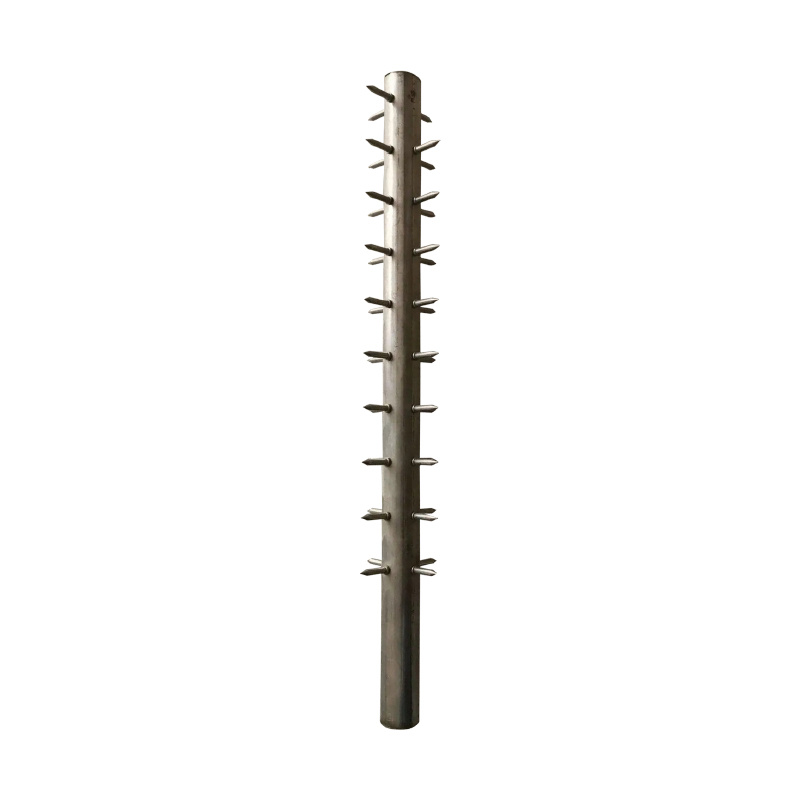
Electrostatic precipitators (ESPs) are widely used in various industries to control particulate emissions and improve air quality. Central to their operation are the ESP discharge electrodes, essential components that facilitate the collection of dust and particles from gas streams. These electrodes utilize electrostatic principles to charge airborne particles, allowing them to be attracted to oppositely charged collection plates. This process is key to achieving high efficiency in air purification systems.
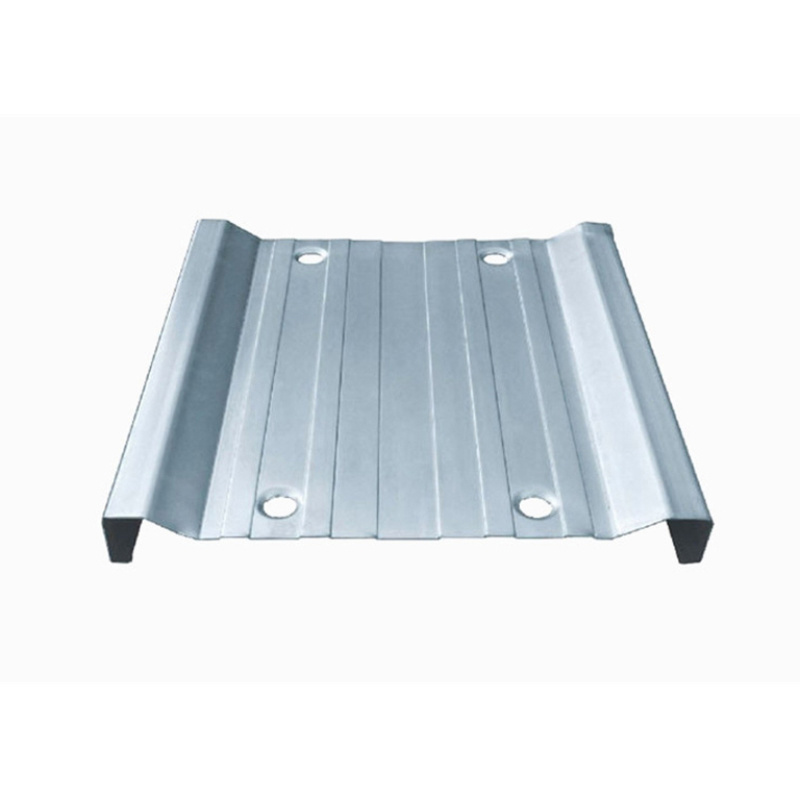
The structure of ESP discharge electrodes can vary, but they are generally made from conductive materials that can endure high voltages and harsh environmental conditions. Their design must ensure that ions created in the high-voltage field effectively gather and transport particulate matter. The integration of discharge electrodes into an electrostatic precipitator system significantly enhances the ability to capture fine particulates, which is essential for compliance with environmental regulations and for protecting public health.
In terms of operation, the ESP discharge electrode generates a corona discharge when a high-voltage electric field is applied. This discharge ionizes the surrounding air, creating a cloud of charged particles. The charged particles, often containing harmful pollutants, are then attracted to the collection plates, where they are effectively removed from the airflow. Hence, the performance of ESP discharge electrodes directly impacts the overall efficacy of the air purification system, making regular maintenance and monitoring crucial.
Maintenance of ESP discharge electrodes involves routine inspections and cleaning to prevent the accumulation of ash and other contaminants that can hinder performance. Regular maintenance ensures that the electrodes remain effective in generating ions and that the precipitator operates at optimal efficiency. Additionally, monitoring voltage levels and the condition of the electrodes can help identify potential issues before they lead to reduced system performance.
In conclusion, the ESP discharge electrode is an indispensable component of electrostatic precipitators, playing a vital role in air pollution control. Understanding its functionality and maintenance is essential for professionals in the industry, ensuring effective air purification solutions that comply with environmental standards. By prioritizing the performance of these electrodes, industries can contribute to cleaner air and a healthier environment.
Hot Tags:


Contact Us
Tel:
WeChat:
WhatsApp:
E-mail:
Address:
338 National Road South, Longfengdian Village, Botou City, Hebei Province, China
JiuznTomine is expertly delivering technically complicated projects in markets & provides custom solutions for their customized need.


CONTACT INFO
Tel: +86 18531710311
WeChat: +86-18531710311
338 National Road South, Longfengdian Village, Botou City, Hebei Province, China