











Maintenance and upkeep methods for high-efficiency dust collectors
Jul 31,2025

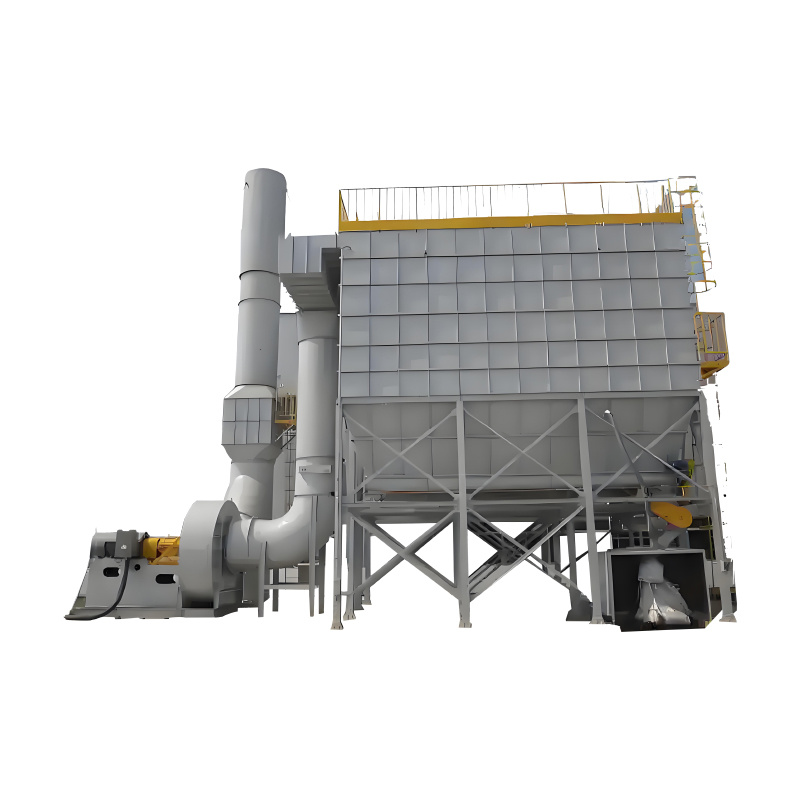
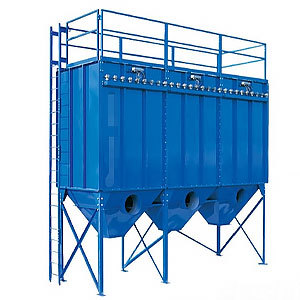
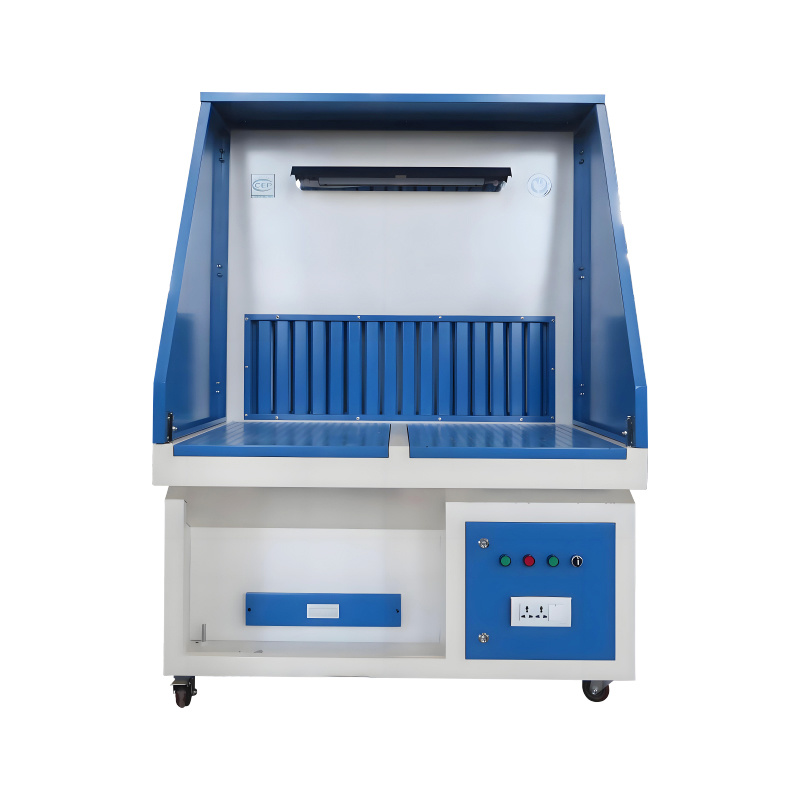
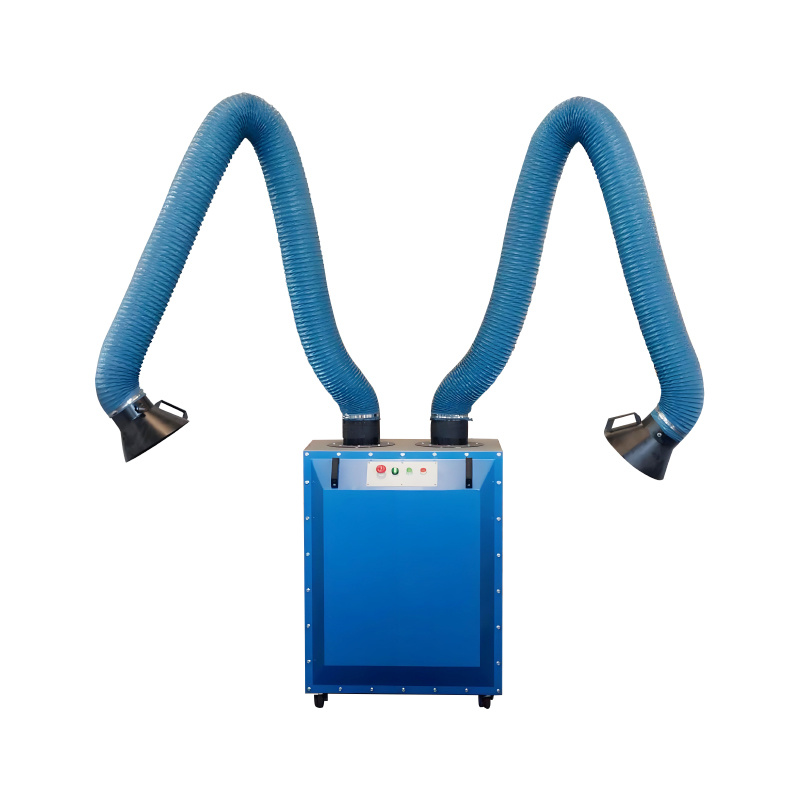
The stable operation of high-efficiency dust collectors relies on scientific maintenance and upkeep, which not only extends the lifespan of the equipment but also ensures its long-term maintenance of high-efficiency dust removal performance. The following are the core maintenance points applicable to various types of high-efficiency dust collectors:
1、 Daily basic check
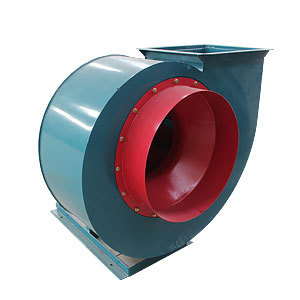
Before starting up daily, it is necessary to check the overall condition of the equipment: check whether the fan and motor are running smoothly and whether there is any abnormal noise; Confirm whether the pipeline connection is tight and whether there is any air leakage or dust leakage; By monitoring the resistance changes of the equipment through a pressure gauge, if the resistance suddenly increases or decreases, it is necessary to promptly investigate issues such as filter bag blockage or damage.
During operation, real-time attention should be paid to parameters such as inlet dust concentration, temperature, and humidity to ensure that they are within the design range of the equipment and to avoid component damage caused by abnormal operating conditions.
2、 Targeted maintenance of core components
1. Filter material/bag filter (bag filter)
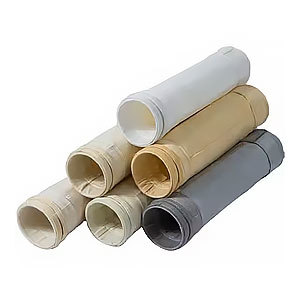
Regularly check the dust adhesion on the surface of the filter bag. If there is any compaction or local damage, it should be cleaned or replaced in a timely manner.
Set a reasonable cleaning cycle based on the characteristics of dust to avoid excessive cleaning leading to filter bag wear or insufficient cleaning causing blockage.
The spare filter bag should be sealed and stored in a dry environment to avoid moisture or oil contamination.
2. Electrode system (electrostatic precipitator)
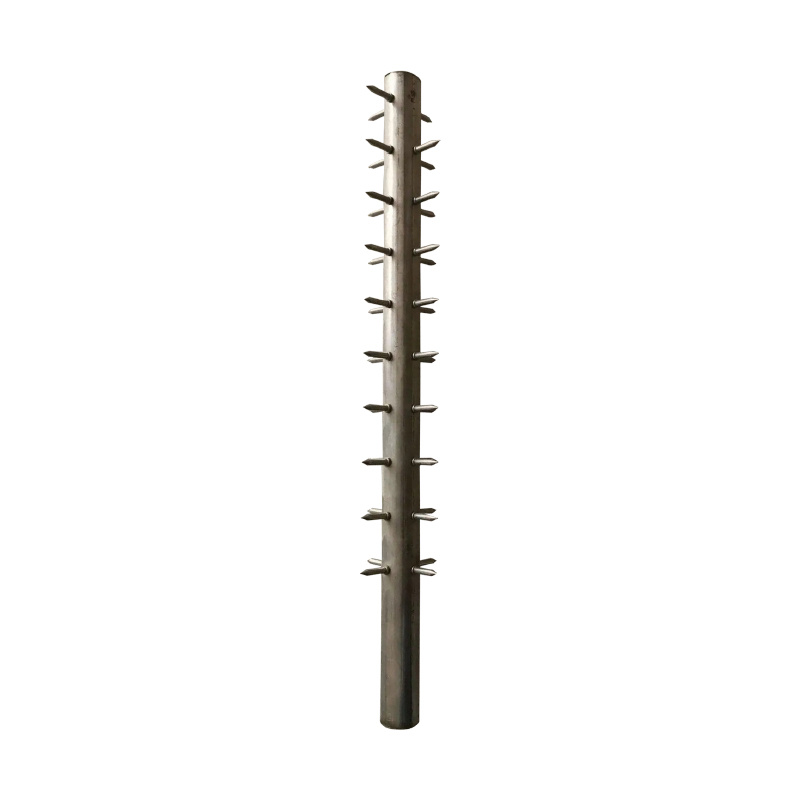
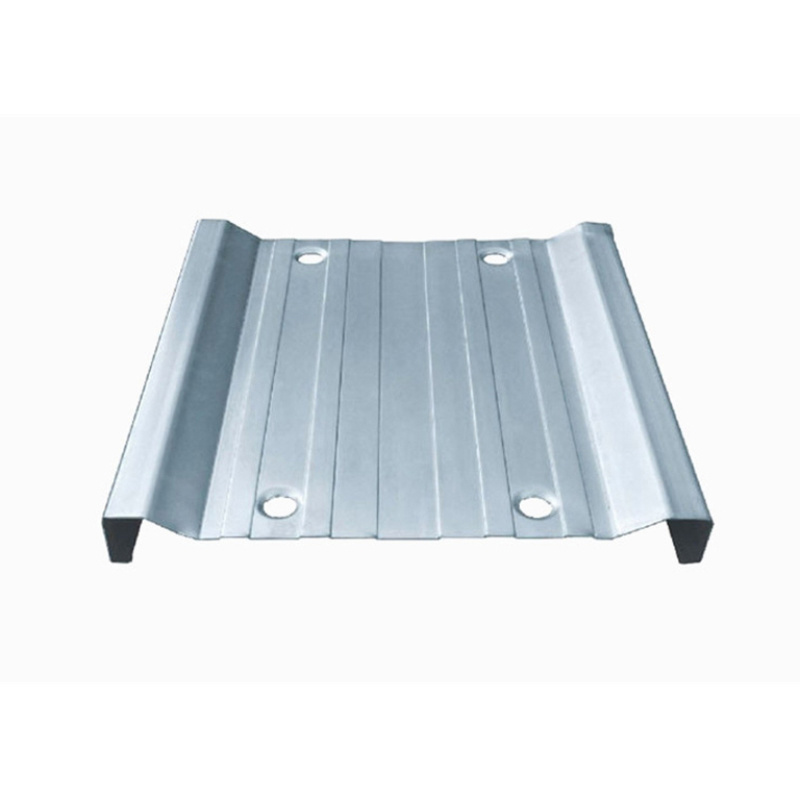
Check the cleanliness of the electrode plates and wires every week. If there is excessive dust accumulation, start the vibration device to clean the dust and ensure stable electric field strength.
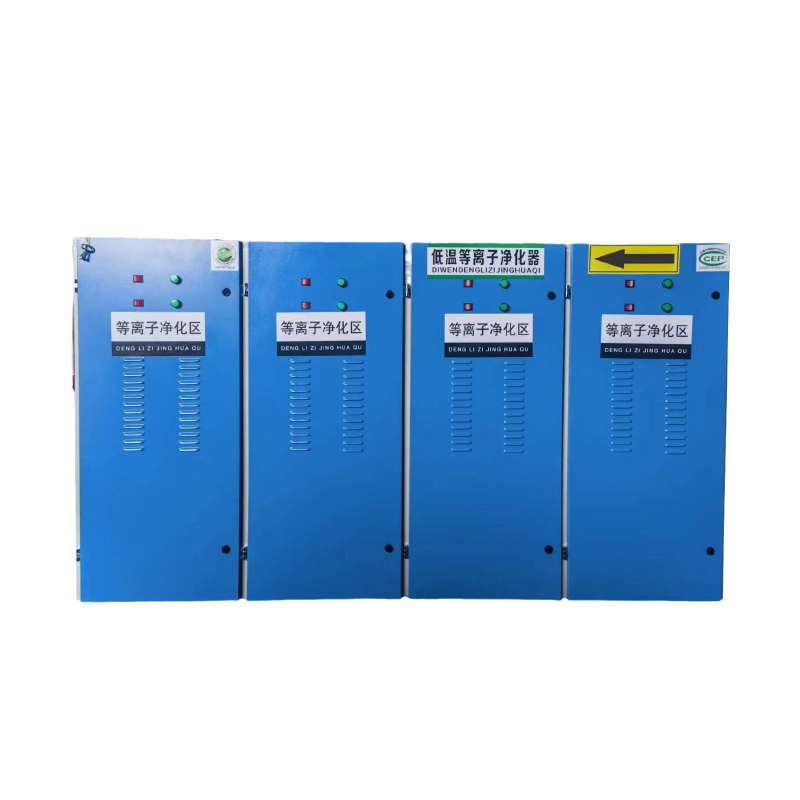
Regularly inspect the high-voltage power supply system to ensure that the voltage and current are within the normal range and prevent a decrease in dust removal efficiency due to electric field failures.
3. Dust cleaning device (universal)
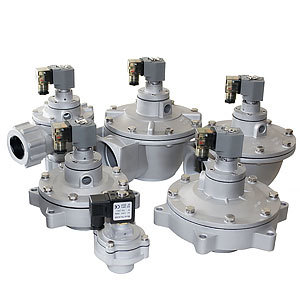
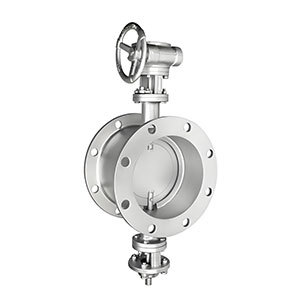
Pulse valves, solenoid valves, and other components need to be checked for flexibility every month, cleaned of impurities in the valve core, and replaced with aging sealing rings.
For wet dust collectors, it is necessary to regularly clean the nozzle to prevent blockage from affecting the atomization effect; Check the liquid level and water quality of the water tank, replenish and replace water in a timely manner, and avoid sedimentation of silt.
3、 Regular deep maintenance
Monthly: Thoroughly clean the interior of the equipment, remove the accumulated dust in the ash hopper and pipeline, check the tightness of each connecting component, and add lubricating oil to rotating parts such as bearings.
Quarterly: Calibrate instruments and meters (such as dust concentration detectors and pressure gauges) to ensure accurate data; Check the degree of wear and tear on core components such as filter bags and plates, evaluate their service life, and develop a replacement plan.
Every year: Conduct a comprehensive performance test, including dust removal efficiency, resistance, air volume and other parameters, compare the initial performance of the equipment, adjust operating parameters or upgrade components accordingly.
4、 Maintenance points under special working conditions
When dealing with corrosive dust or gas, it is necessary to increase the inspection frequency, focus on the corrosion of equipment walls and filter media, and replace corrosion-resistant components if necessary.
Under high temperature conditions, it is necessary to regularly check the integrity of the insulation layer to prevent heat loss that may cause overheating of the equipment casing or condensation blockage due to local cooling.
Scientific maintenance and upkeep can keep high-efficiency dust collectors in optimal condition, not only reducing failure rates and repair costs, but also ensuring that they meet long-term environmental compliance requirements. For foreign trade customers, standardized maintenance records are also important evidence of equipment compliance with international standards, helping to enhance product competitiveness.
Hot Tags:


Contact Us
Tel:
WeChat:
WhatsApp:
E-mail:
Address:
338 National Road South, Longfengdian Village, Botou City, Hebei Province, China
JiuznTomine is expertly delivering technically complicated projects in markets & provides custom solutions for their customized need.


CONTACT INFO
Tel: +86 18531710311
WeChat: +86-18531710311
338 National Road South, Longfengdian Village, Botou City, Hebei Province, China