











Which type of dust collector has the highest efficiency?
Jul 30,2025
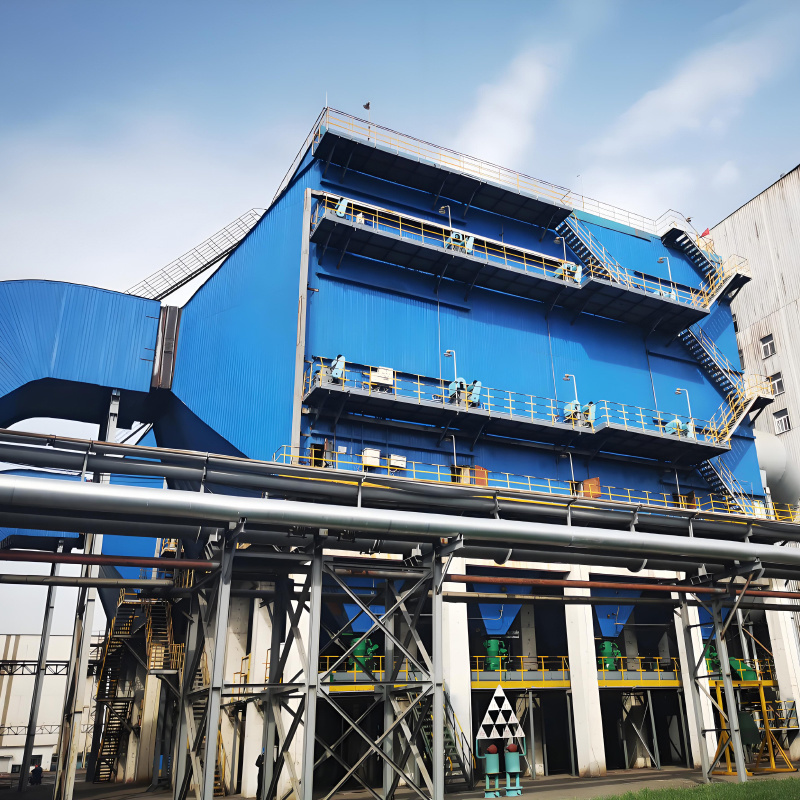
In the field of industrial dust removal, "highest efficiency" is not an absolute concept, but is closely related to dust characteristics and working conditions. Different types of dust collectors can achieve optimal efficiency in specific scenarios. Starting from their core performance and applicable scenarios, the following analyzes the high efficiency performance of various types of dust collectors:
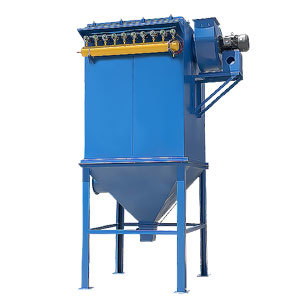
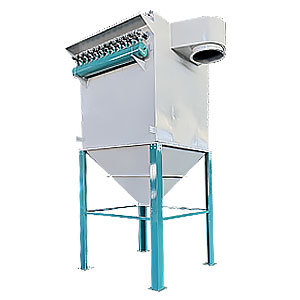
1. Bag filter: the "efficiency benchmark" for fine dust treatment
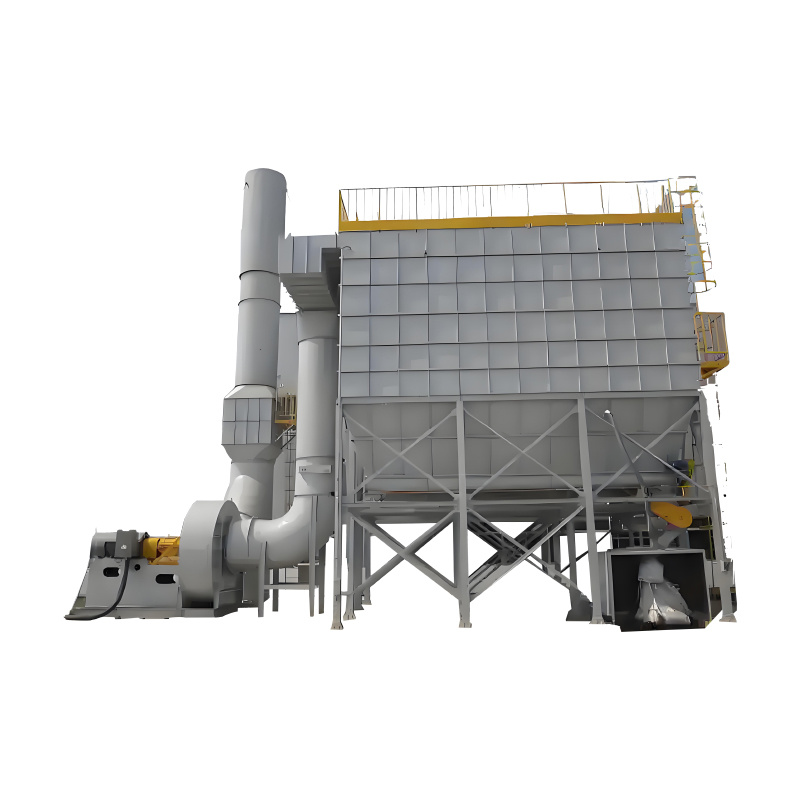
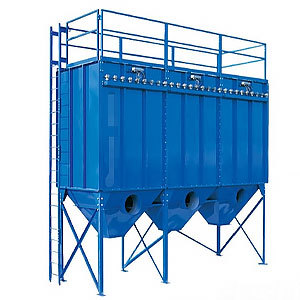
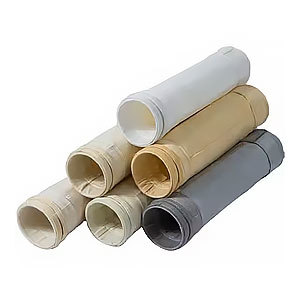
The bag filter, relying on the fine filtering effect of the filter material, has a capture efficiency of over 99.9% for fine dust particles with a diameter of 0.1-1 μ m, making it the preferred choice for handling low concentration and fine particle dust. Whether it's flour at room temperature, pharmaceutical dust, or boiler smoke in high-temperature environments, as long as suitable filter media is selected, it can maintain stable and efficient filtration. Especially in regions with strict environmental standards (such as the European Union and North America), bag filters can easily meet the emission requirements of ≤ 10mg/m ³ and are widely used in industries such as electronics and food that require extremely high cleanliness.
2. Electrostatic precipitator: the "stable and efficient" under high air flow conditions
The electrostatic precipitator has significant advantages in handling high wind volume and medium concentration dust, and a well-designed electrostatic precipitator can achieve an efficiency of over 99%. It relies on high-voltage electric fields to charge and settle dust, with outstanding capture effects on dust particles with a size of 1-50 μ m, especially suitable for large-scale industrial scenarios such as thermal power plants and steel plants. However, it should be noted that the specific resistance of dust should be controlled within the range of 10 ⁴ -10 ¹¹Ω· cm, otherwise the efficiency will significantly decrease - if the dust contains high specific resistance components, it needs to be tempered to maintain high efficiency.
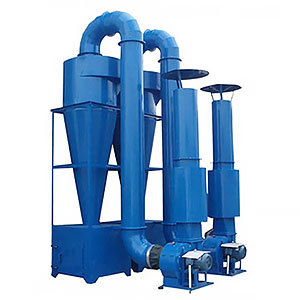
3. Efficient cyclone dust collector: the "efficient pioneer" in coarse dust pretreatment
The efficiency of traditional cyclone dust collectors is mostly between 70% and 85%, but high-efficiency cyclone dust collectors with optimized structures can achieve an efficiency of over 90% for coarse dust particles with a particle size of 10 μ m or more. It does not require filter media or electric fields and is suitable as a pre-treatment equipment for high concentration coarse dust. It can significantly reduce the load on subsequent main dust removal equipment and indirectly improve the overall system efficiency.
4. Wet dust collector: an "efficient adapter" for special working conditions
For high temperature, high humidity, or sticky and corrosive dust, wet dust collectors can capture dust through liquid film or mist droplet wrapping, with an efficiency of over 95%. Especially in scenarios where cooling and removal of harmful gases are required simultaneously, its comprehensive purification efficiency far exceeds other types of dust collectors, but attention should be paid to subsequent wastewater treatment issues.
Summary: There is no 'absolute highest', only 'scene optimal'
The core of choosing an efficient dust collector is to match the working conditions: processing electronic grade ultrafine dust, the efficiency of bag filters is irreplaceable; Electric dust collectors have more advantages in dealing with wind volumes of millions of cubic meters in power plants; The high-efficiency cyclone dust collector has a higher cost-effectiveness in handling coarse dust particles. Foreign trade customers can select the most efficient dust collector based on local environmental standards (such as EU EPAct, US NESHAP), dust characteristics, and processing scale, combined with the high-efficiency range of various dust collectors - the appropriate one is the "most efficient".
Hot Tags:


Contact Us
Tel:
WeChat:
WhatsApp:
E-mail:
Address:
338 National Road South, Longfengdian Village, Botou City, Hebei Province, China
JiuznTomine is expertly delivering technically complicated projects in markets & provides custom solutions for their customized need.


CONTACT INFO
Tel: +86 18531710311
WeChat: +86-18531710311
338 National Road South, Longfengdian Village, Botou City, Hebei Province, China