











What are the major categories of dust collectors
Jul 26,2025

Dust collectors, as key equipment for controlling dust pollution, come in various types and can be classified into several categories according to different classification standards.
Classified by dust removal principle
This is the most common classification method, mainly based on the core principle of dust capture by dust collectors.
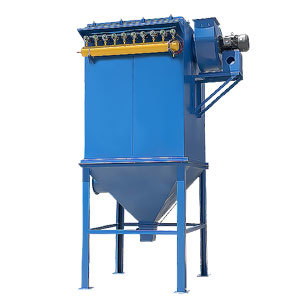
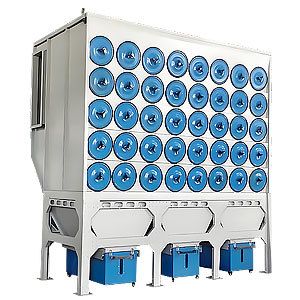
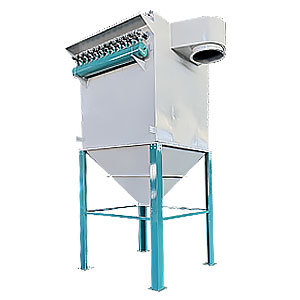
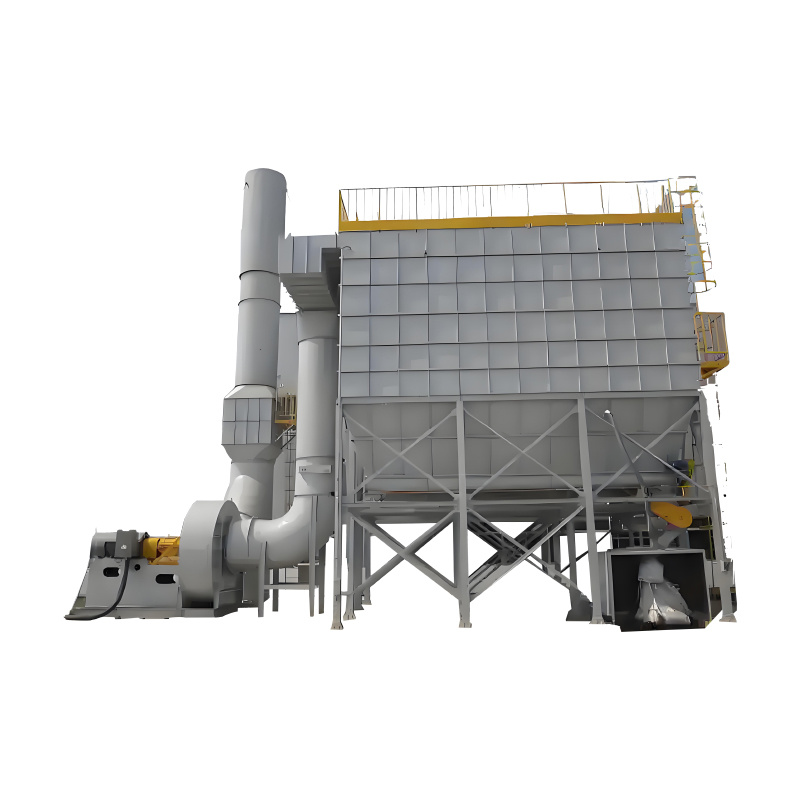
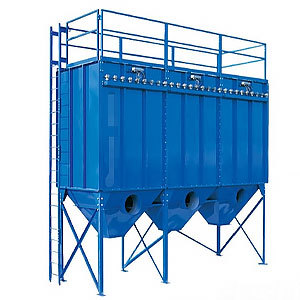
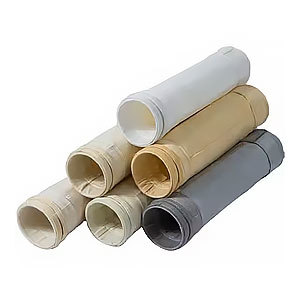
1. Filter type dust collector: uses filtering materials (such as filter cloth, filter paper, etc.) to filter the dusty gas, so that the dust is intercepted. Among them, bag filter is a typical representative, which achieves efficient filtration through filter bags made of fiber fabrics, with a dust removal efficiency of over 99%. It can effectively handle various fine dust and is widely used in multiple industrial fields.
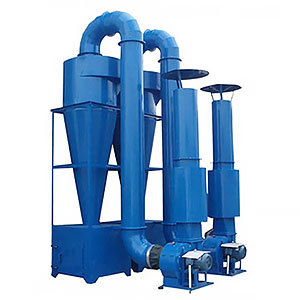
2. Mechanical dust collector: relying on mechanical forces such as gravity, inertia, and centrifugal force to separate dust from the airflow. Common ones include cyclone dust collectors, which use centrifugal force to throw dust towards the cylinder wall and settle it while rotating at high speed; There is also a gravity settling chamber, which allows dust to naturally settle by its own gravity. However, this type of dust collector has relatively low efficiency and is mostly used as a pre-treatment equipment.
3. Electrostatic precipitator: With the help of a high-voltage electric field, the dust is charged, and the charged dust moves and deposits towards the dust collection electrode under the action of the electric field force, thereby achieving the purpose of dust removal. It has a large air volume and high efficiency, but has certain requirements for dust characteristics, making it suitable for large-scale industrial scenarios.
4. Wet dust collector: By contacting water or other liquids with dusty gases, the dust is wetted, condensed, and captured. Such as spray towers, Venturi dust collectors, etc., can simultaneously handle dust and some harmful gases, and have good adaptability to high temperature and high humidity gases.
Classified by dust removal efficiency
According to the dust removal efficiency of dust collectors, they can be divided into low efficiency, medium efficiency, and high efficiency dust collectors.
1. Low efficiency dust collector: The dust removal efficiency is generally below 60%, mainly used for pre-treatment of high dust concentration and large particles, such as gravity settling chambers, inertial dust collectors, etc.
2. Medium efficiency dust collector: The dust removal efficiency is usually between 60% -90%, suitable for occasions with low dust removal requirements or as a pre-processing equipment for high-efficiency dust collectors. Cyclone dust collectors are common medium efficiency dust collectors.
3. Efficient dust collector: The dust removal efficiency can reach over 90%, which can meet strict environmental emission standards. Bag filters, electrostatic precipitators, and other high-efficiency dust collectors are essential in industries with high dust emission requirements, such as electricity and steel.
Classification by nature of dust treatment
Different types of dust require different types of dust collectors to handle, which can be classified into the following categories.
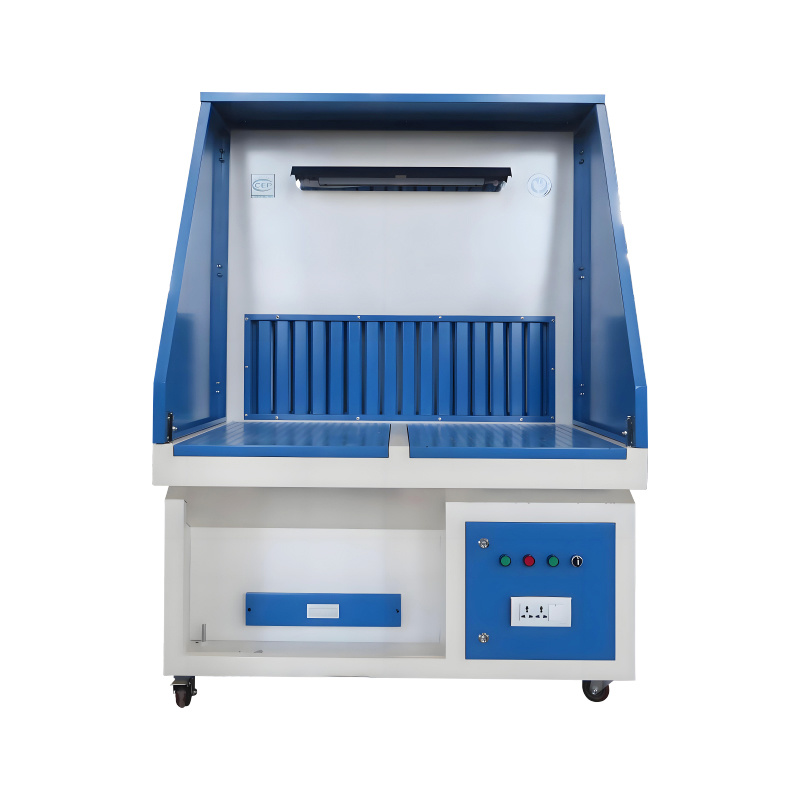
1. Dry dust collector: It achieves dust removal without using liquid, and the collected dust is in a dry state, which is easy to recycle and reuse. Bag dust collectors, electrostatic precipitators, cyclone dust collectors, etc. all belong to dry dust collectors and are suitable for handling non water soluble dust that is not suitable for contact with liquids.
2. Wet dust collector: As mentioned earlier, it uses liquid to treat dust, and the collected dust is mostly in the form of mud, which requires subsequent dehydration treatment. It is suitable for handling dust that is high temperature, high humidity, explosive, or contains harmful gases.
Understanding the classification of dust collectors can help select suitable equipment based on actual needs such as dust properties, processing air volume, environmental requirements, etc., in order to achieve the best dust removal effect. Whether facing environmental standards from different countries in foreign trade business or the production needs of enterprises themselves, clarifying the classification of dust collectors can provide important references for equipment selection.
Hot Tags:


Contact Us
Tel:
WeChat:
WhatsApp:
E-mail:
Address:
338 National Road South, Longfengdian Village, Botou City, Hebei Province, China
JiuznTomine is expertly delivering technically complicated projects in markets & provides custom solutions for their customized need.


CONTACT INFO
Tel: +86 18531710311
WeChat: +86-18531710311
338 National Road South, Longfengdian Village, Botou City, Hebei Province, China