












Where are industrial dust collectors mainly used?
Jul 26,2025

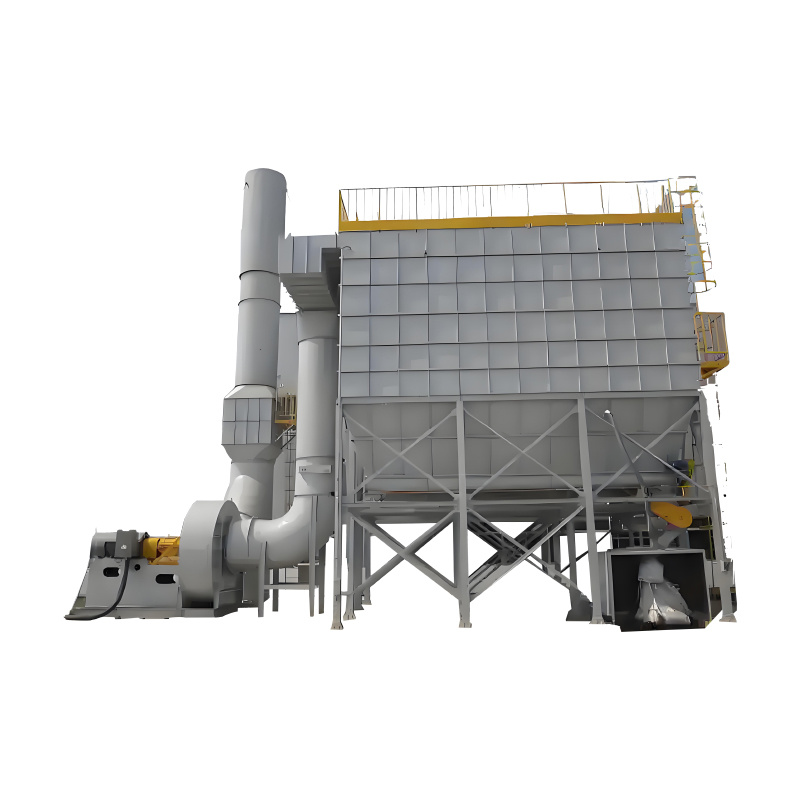
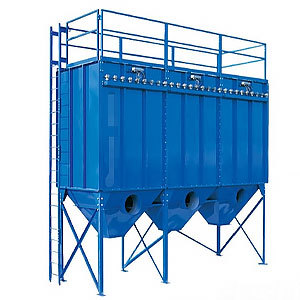
Industrial dust collectors, as key equipment for controlling dust pollution and ensuring the production environment, are widely used in various industrial scenarios. Whether it is heavy industrial production or light industrial processing, as long as there is a problem of dust emissions, its presence can be seen.
1. Metallurgical industry
In the process of steel and non-ferrous metal smelting, a large amount of metal dust and harmful gases are generated from ore crushing, sintering, ironmaking, steelmaking, steel rolling and other links. For example, the blast furnace in a steel plant releases iron containing dust, sulfur dioxide, etc; During the smelting of non-ferrous metals, heavy metal dust such as lead, zinc, and copper is generated. Industrial dust collectors can efficiently capture these dust particles, not only reducing pollution to the factory area and surrounding environment, but also recovering some valuable metal dust and reducing raw material waste.
2. Mechanical manufacturing industry
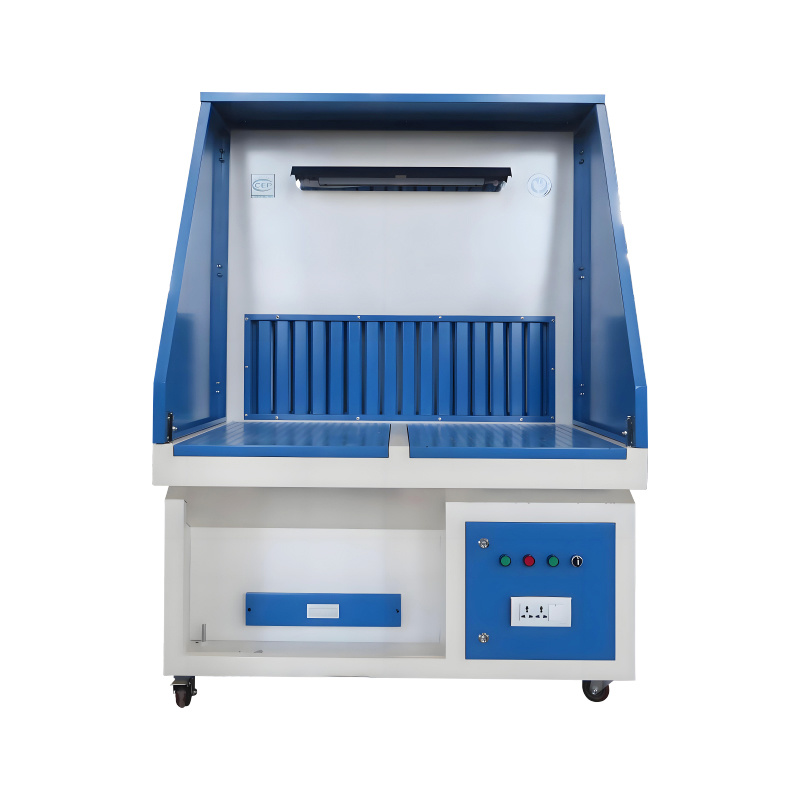
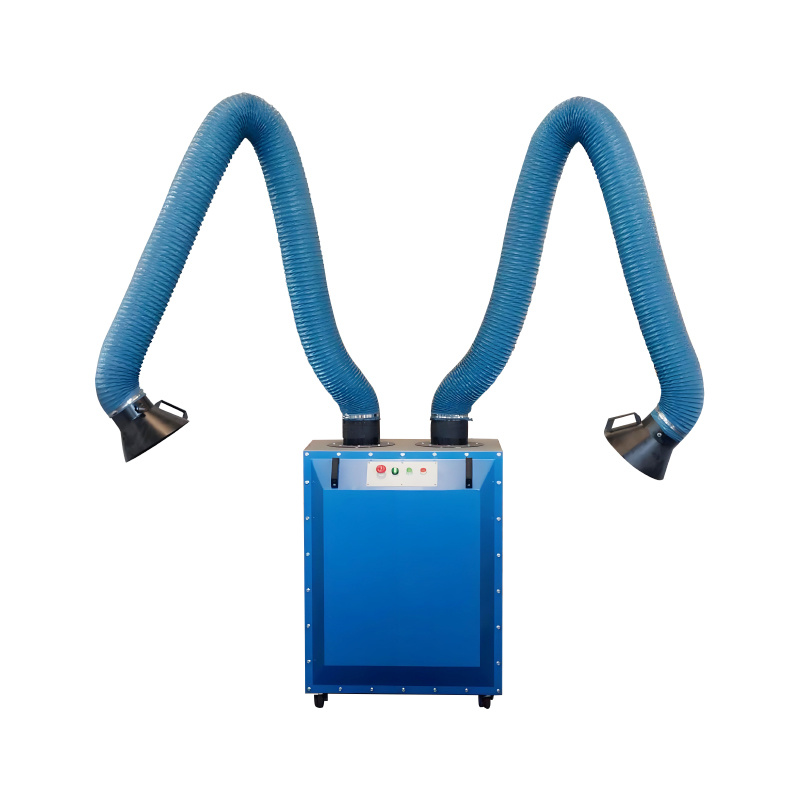
The casting, polishing, welding and other processes in mechanical processing are areas where dust is a major hazard. The sand treatment and metal melting in the foundry workshop will produce quartz sand dust and metal oxide dust; During the polishing process, polishing the surface of metal parts will generate a large amount of metal debris and dust; During welding, smoke, dust, and harmful gases will be generated. Industrial dust collectors can be directly installed near production equipment to promptly remove dust, protect the respiratory health of workers, and prevent dust from adhering to precision equipment and affecting processing accuracy.
3. Building materials industry
During the production process of building materials such as cement, ceramics, glass, and stone processing, there is a significant amount of dust emissions. In cement plants, processes such as raw material crushing, raw material grinding, and cement packaging generate a large amount of cement dust; When stone processing plants cut and polish stone, high concentrations of stone powder dust are generated. If this type of dust is not dealt with in a timely manner, it can not only cause workers to suffer from pneumoconiosis, but also potentially lead to safety accidents such as dust explosions. Industrial dust collectors can effectively control dust diffusion and ensure that the production environment meets safety and environmental standards.
4. Chemical industry
Chemical production involves various chemical reactions, often producing corrosive and toxic dust and gases. For example, during the production of pesticides and fertilizers, chemical dust and volatile organic compounds are released; There will also be a large amount of fine dust drifting during dye production. Industrial dust collectors can remove dust and purify some harmful gases through special filtering materials and processing techniques, reducing the health hazards to operators and the risk of environmental pollution.
5. Power industry
When coal is burned in thermal power plants, a large amount of fly ash and smoke are generated. If these dust particles are directly emitted into the atmosphere, they will seriously pollute the air and cause environmental problems such as acid rain. The industrial dust collector is installed at the tail of the boiler, which can efficiently capture fly ash. It not only meets environmental emission requirements, but also the recovered fly ash can be used for building material production, achieving resource reuse.
6. Mining industry
During the process of mining, crushing, and transportation, a large amount of rock dust and mineral dust will be generated. After blasting in open-pit mines, a large amount of dust will be raised, and underground mining excavation and mining operations will also continue to produce dust. These dust particles have high concentrations and coarse particles, which greatly affect the physical health of miners and the normal operation of mining equipment. Industrial dust collectors can reduce the concentration of dust underground and in mining areas through ventilation and dust removal systems, ensuring the safety of mining production.
In addition, industrial dust collectors have important applications in industries such as grain processing, wood processing, and pharmaceuticals. For example, the production of flour and starch in grain processing generates organic dust, sawdust dust in wood processing, and pharmaceutical powder in the pharmaceutical industry, all of which need to be effectively controlled through industrial dust collectors.
In short, the application scenarios of industrial dust collectors almost cover all industrial fields that generate dust pollution. It is not only an essential equipment for enterprises to meet environmental regulations, but also an important help to ensure production safety, protect workers' health, and improve production efficiency. Choosing the appropriate industrial dust collector can provide strong support for enterprises to achieve green production.
Hot Tags:


Contact Us
Tel:
WeChat:
WhatsApp:
E-mail:
Address:
338 National Road South, Longfengdian Village, Botou City, Hebei Province, China
JiuznTomine is expertly delivering technically complicated projects in markets & provides custom solutions for their customized need.


CONTACT INFO
Tel: +86 18531710311
WeChat: +86-18531710311
338 National Road South, Longfengdian Village, Botou City, Hebei Province, China