












Characteristics and treatment methods of manganese ore dust
Jul 23,2025

Manganese ore generates a large amount of dust during mining, crushing, screening, transportation, and other processes. This type of dust not only affects the production environment and workers' health, but may also pose a threat to the surrounding ecology. Understanding the characteristics of manganese ore dust and adopting targeted treatment methods is the key to achieving green production in manganese ore enterprises.
Characteristics of Manganese Ore Dust
1. Complex ingredients with significant toxicity
In addition to manganese oxides such as MnO ₂ and Mn ₂ O3, manganese ore dust often contains compounds of elements such as silicon, iron, lead, and arsenic. Among them, the content of free silica is relatively high (some manganese ores can reach 10% -30%), and long-term inhalation can lead to silicosis; Manganese oxides have neurotoxicity, and excessive exposure may cause neurological damage, posing a great threat to human health.
2. Large particle size span and strong diffusivity
The particle size distribution of manganese ore dust is relatively wide, ranging from a few micrometers to several hundred micrometers. Among them, respiratory dust with a particle size less than 5 microns can directly enter the human lungs, posing the greatest harm; Larger particles (over 50 microns) are prone to accumulate on the surface of the equipment, but they will still fly up again when disturbed by airflow, with a diffusion range of up to tens of meters.
3. Has a certain degree of corrosiveness
Part of the manganese ore contains sulfur, phosphorus and other elements. When dust combines with water vapor in the air, it may form weakly acidic substances, which can slowly corrode the surface of equipment (such as metal shells and pipelines) and affect the service life of the equipment.
4. Easy to adsorb, difficult to clean dust
Manganese ore dust particles have a rough surface and strong adsorption properties, making them easy to adhere to filter materials, pipeline walls, and other parts. Ordinary dust cleaning methods are difficult to completely remove, which can lead to increased equipment resistance and affect filtration efficiency.
Treatment methods for manganese ore dust
1. Source control: reduce dust generation
Sealed production: Sealed covers are installed at the inlet and outlet of crushing and screening equipment to control dust in local spaces through negative pressure and reduce overflow. For example, a jaw crusher can use a fully enclosed hood, combined with a side suction suction suction port, to reduce dust emissions by more than 80%.
Wet operation: wet dust reduction is adopted in the mining and transportation links, such as spraying water on the ore heap after blasting, spray on the surface of the transportation belt, and using water film to absorb dust particles to suppress dust flying. This method has a significant control effect on large particle dust and is cost-effective.
2. End purification: Efficient filtration of dust
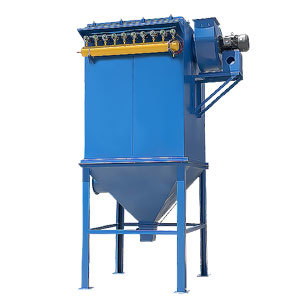
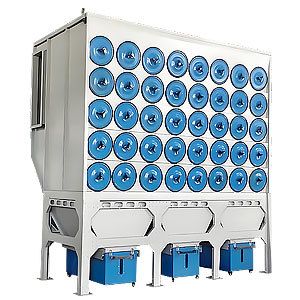
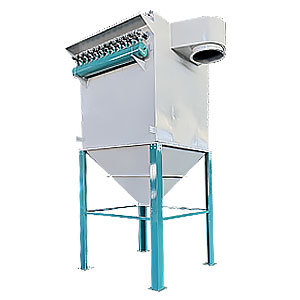
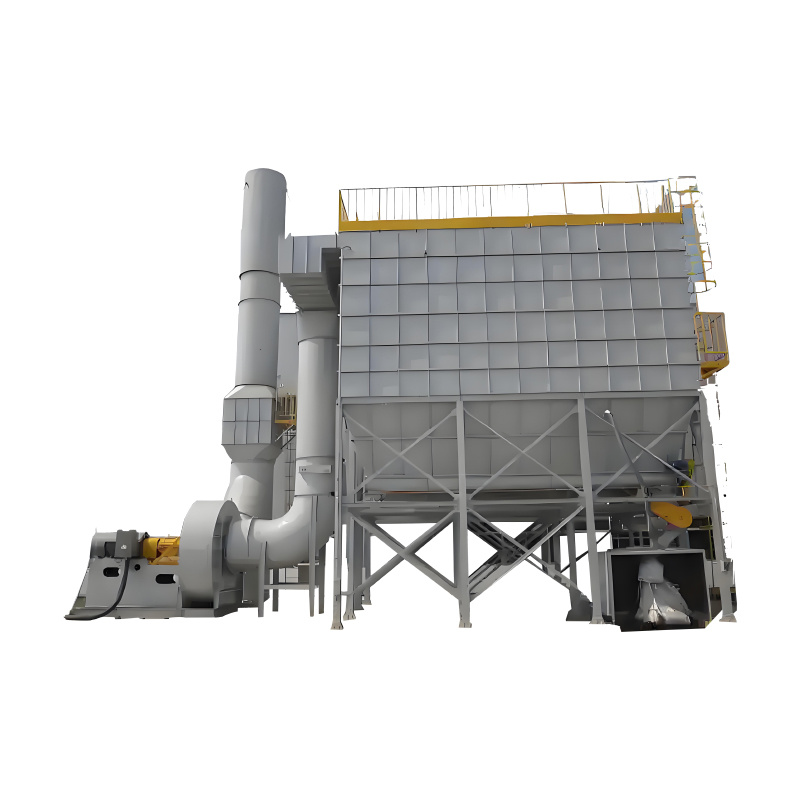
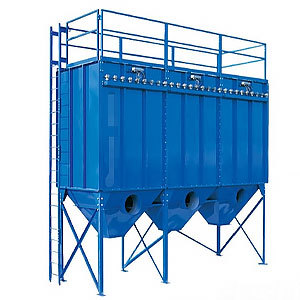
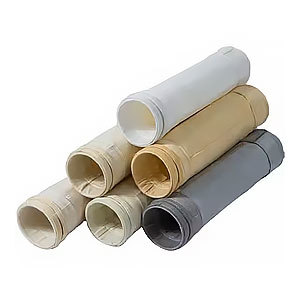
Pulse bag filter: As the core equipment for processing manganese ore dust, wear-resistant and corrosion-resistant filter bags such as Nomex (aramid) filter bags or P84 filter bags should be selected, which can withstand the friction and weak acid corrosion of dust, and the filtration efficiency can reach over 99.9%. The dust cleaning system adopts high-frequency blowing (once every 3-4 minutes), and the blowing pressure is increased to 0.6-0.8MPa to ensure complete dust removal. Meanwhile, it is recommended to use 304 stainless steel material for the dust collector casing to enhance its corrosion resistance.
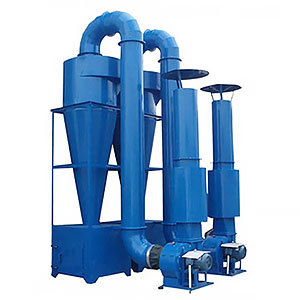
Combination of cyclone dust collector and bag dust collector: For high concentration manganese ore dust (such as crushing process, concentration can reach 2000mg/m ³ or more), a cyclone dust collector can be used as a pretreatment equipment to separate more than 50% of large particle dust, reduce the load of the bag dust collector, and extend the service life of the filter bag.
3. Ventilation dilution: improving the working environment
Set up a comprehensive ventilation system in the workshop, using an airflow organization method of "upward supply and downward discharge", to send fresh air from the upper part of the workshop and discharge dust from the lower exhaust outlet, so as to control the dust concentration in the workshop below the national health standard (maximum allowable concentration of manganese and its compounds 0.2mg/m ³).
For underground mining operations, local ventilation fans should be equipped to promptly extract high concentration dust from the excavation face, ensuring that the wind speed at the operation point is not less than 0.25m/s.
4. Personal protection and monitoring
Equip workers who come into contact with manganese ore dust with specialized protective equipment, such as dust masks (complying with N95 and above standards), protective goggles, protective clothing, etc., to reduce direct contact with dust.
Install an online dust concentration monitor and manganese analyzer to monitor the real-time dust concentration and manganese content in the workshop air. When exceeding the standard, immediately sound an alarm and activate emergency dust reduction measures.
The treatment of manganese ore dust needs to be combined with its strong toxicity, easy adsorption, and corrosive characteristics, starting from multiple aspects such as source control, end purification, and ventilation protection. Suitable dust removal equipment should be selected and management should be strengthened to effectively ensure production safety and environmental quality, help manganese ore enterprises meet international environmental protection requirements, and enhance market competitiveness.
Hot Tags:
PREVIOUS:


Contact Us
Tel:
WeChat:
WhatsApp:
E-mail:
Address:
338 National Road South, Longfengdian Village, Botou City, Hebei Province, China
JiuznTomine is expertly delivering technically complicated projects in markets & provides custom solutions for their customized need.


CONTACT INFO
Tel: +86 18531710311
WeChat: +86-18531710311
338 National Road South, Longfengdian Village, Botou City, Hebei Province, China