











Coal to gas belt conveyor dust removal equipment: efficient dust control, ensuring production safety and environmental protection
Jul 12,2025

In the coal to gas production process, the belt conveyor is a key equipment that connects the storage, crushing, gasification and other links of raw coal. However, coal will generate a large amount of coal dust at the transfer point, head drum, tail drum and other positions of the belt conveyor due to material impact and drop splashing. These coal dust not only contain coal powder particles, but may also contain harmful substances such as sulfides, which have the characteristics of high concentration, fast diffusion, and flammability and explosiveness. If not dealt with in a timely manner, it will not only pollute the workshop environment and endanger the health of workers, but also pose a risk of explosion due to dust accumulation, affecting production continuity. Therefore, selecting suitable dust removal equipment for coal to gas belt conveyor scenarios is an important link for enterprises to achieve safe and environmentally friendly production.
Characteristics and dust control difficulties of coal gasification belt conveyor dust
The dust produced by coal to gas belt conveyor has distinct characteristics, which pose multiple challenges to dust control work.
Firstly, the dust concentration fluctuates greatly. When the belt conveyor starts and stops or the material flow rate changes, the dust concentration will instantly increase, requiring the dust removal equipment to have fast response capability;
Secondly, dust particles have a wide range of sizes, including large particles generated by impact and fine dust generated by friction. Fine particles are prone to suspension and diffusion, making them difficult to capture;
Thirdly, the risk of flammability and explosiveness is prominent. Coal dust belongs to combustible dust, and when the concentration reaches 30-50g/m ³ in the air, it is highly prone to explosion when encountering sources of fire such as static electricity and sparks;
Fourthly, the working environment is complex, the space on the belt conveyor site is limited, and it may be accompanied by vibration, humidity, and other situations, which require high installation and stability of dust removal equipment.
Suitable dust removal equipment types and system design
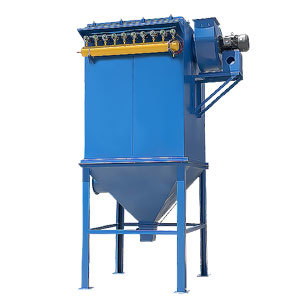
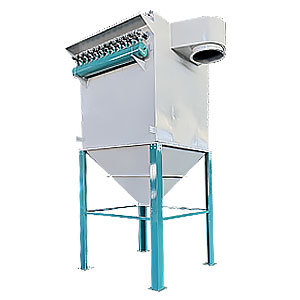
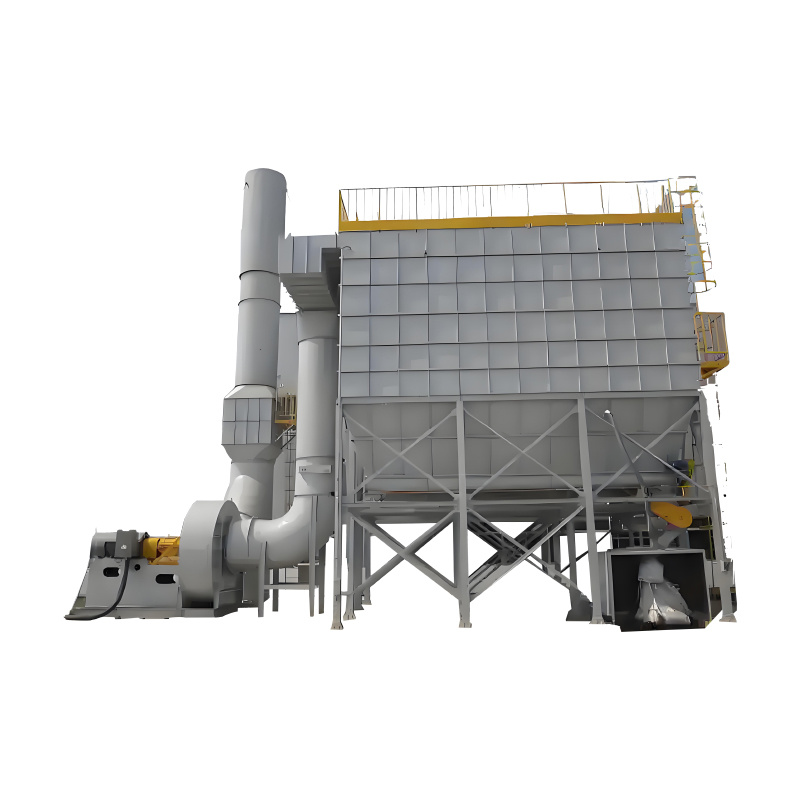
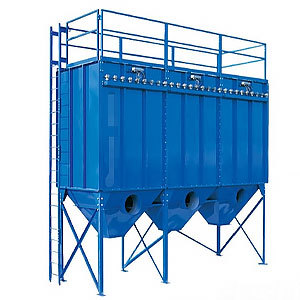
1. Local exhaust+pulse bag filter: the mainstream solution for precise dust control
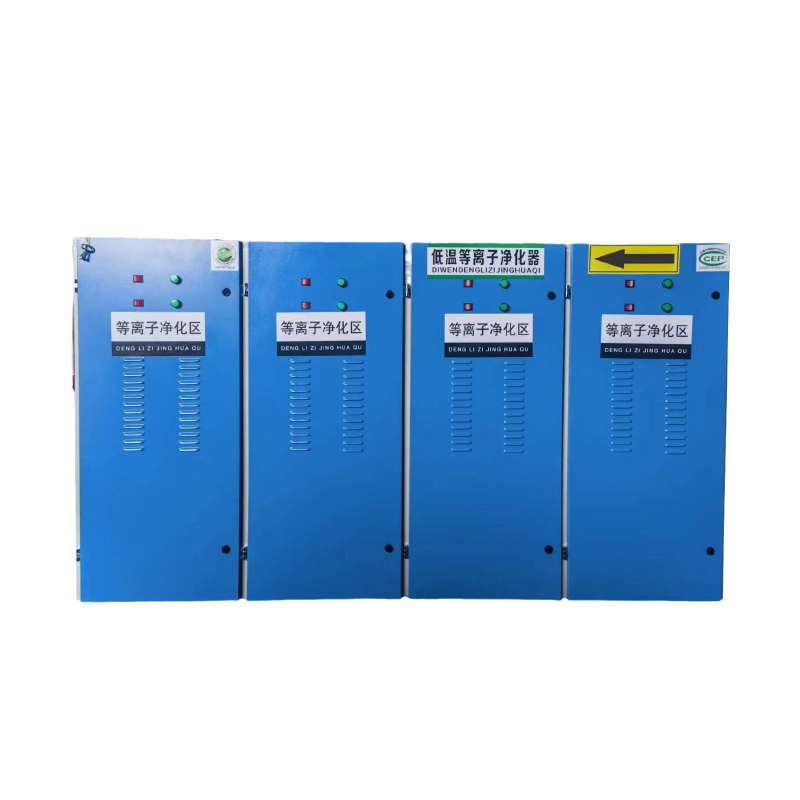
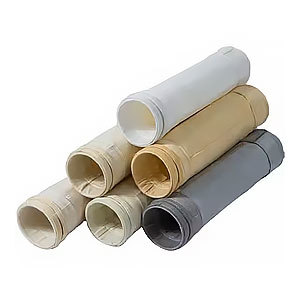
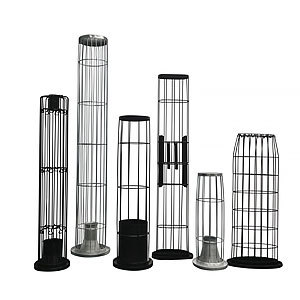
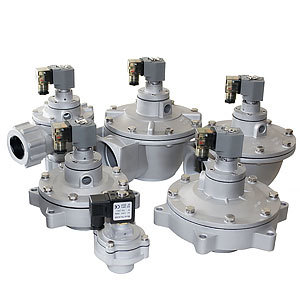
The system consists of a dust collection hood, pipeline, and pulse bag filter, with the core advantage of "source dust control+efficient purification". Set up sealed or semi sealed dust collection hoods at dust producing points such as the discharge port and head drum of the belt conveyor, and control the dust locally through negative pressure to avoid diffusion; The design of the dust collection hood should be in line with the running trajectory of the belt. For example, a "horn mouth+guide plate" structure should be used at the feeding point to ensure a dust collection efficiency of over 90%; The pipeline adopts a large diameter and low flow rate design to reduce dust deposition and blockage; The pulse bag dust collector uses anti-static filter bags, combined with explosion-proof pulse valves and explosion-proof devices, with a filtration efficiency of up to 99.9% and a dust emission concentration controlled below 10mg/m ³, meeting the EU IED directive and US EPA standards.
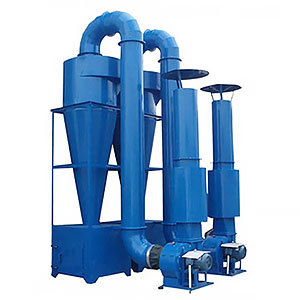
2. Cyclone dust collector+bag filter: classification treatment of high concentration dust
For working conditions with extremely high dust concentration in belt conveyor, the classification treatment system is more economical. As a front-end equipment, the cyclone dust collector first separates 70% -80% of large particle dust to reduce the load of the bag filter; The cyclone tube is made of wear-resistant cast iron material, with ceramic coating sprayed on the inner wall to extend its service life; The secondary bag filter uses high temperature resistant and anti condensation filter bags to address dust adhesion issues in humid environments. This combination scheme can reduce the frequency of filter bag replacement by more than 30%, and is suitable for long-distance belt conveyor dust removal in large-scale coal to gas projects.
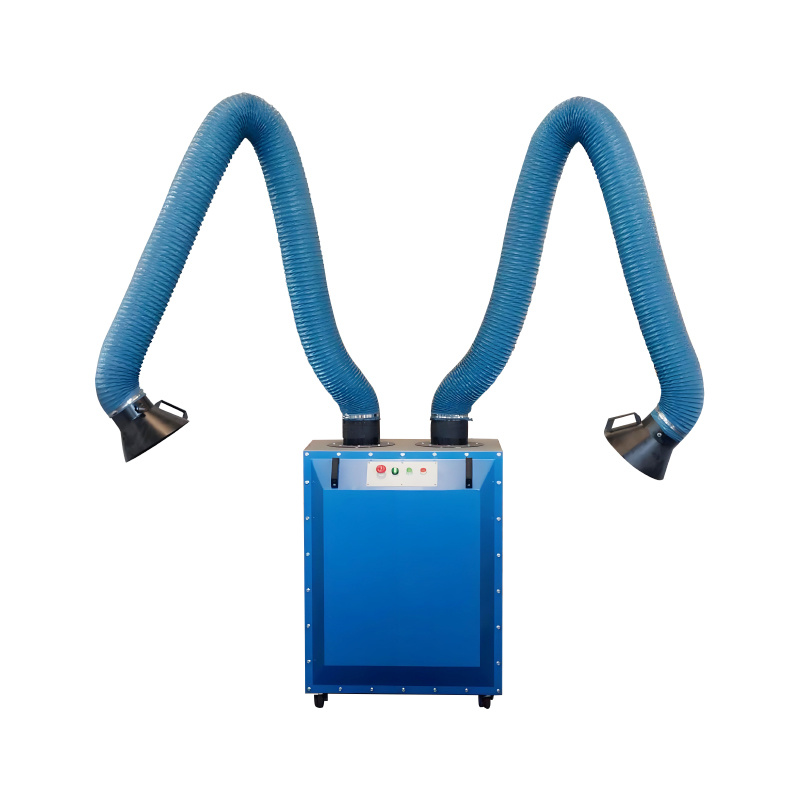
3. Mobile telescopic dust removal device: flexible adaptation to multiple dust producing points
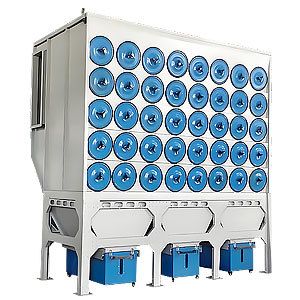
For scenarios where belt conveyors have multiple transfer points and their positions are not fixed, a mobile telescopic dust removal device is a flexible choice. The equipment is equipped with a retractable vacuum arm that can be adjusted according to the position of the dust production point; Built in small pulse filter cartridge dust collector, the filter cartridge adopts a pleated design, and the filtration area is 2-3 times larger than that of the same volume bag; Universal wheels are installed at the bottom of the equipment for easy movement between different belt conveyors, suitable for the intermittent production needs of small and medium-sized coal gasification plants.
Key design points and security measures
1. Explosion proof design runs through the entire system: all metal components of the equipment are reliably grounded, and explosion-proof motors and solenoid valves are selected; The dust collector is equipped with flameless explosion-proof devices and explosion-proof valves, and the pipeline is installed with anti-static cross connections to eliminate ignition sources from the source.
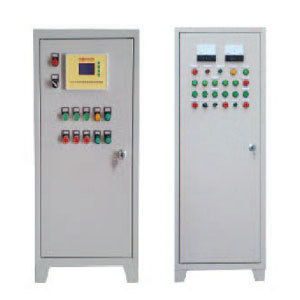
2. Dynamic adjustment of air volume: According to the operating status of the belt conveyor, the air volume of the fan is automatically adjusted through the PLC control system to avoid energy waste caused by "big horses pulling small cars", with an energy-saving rate of 15% -20%.
3. Wear resistance and sealing strengthening: The pipeline elbow adopts wear-resistant elbow or is equipped with wear-resistant lining plate. The gap between the dust cover and the belt conveyor is ≤ 50mm to ensure stable negative pressure and reduce air leakage.
The reasonable selection of coal to gas belt conveyor dust removal equipment can not only effectively control dust pollution and reduce safety risks, but also create economic benefits through the recovery of coal powder. For overseas coal to gas enterprises, dust removal systems that comply with international safety and environmental standards are not only a prerequisite for compliant production, but also an important guarantee for enhancing enterprise competitiveness, helping to achieve green and sustainable development in the global energy transition.
Hot Tags:
PREVIOUS:


Contact Us
Tel:
WeChat:
WhatsApp:
E-mail:
Address:
338 National Road South, Longfengdian Village, Botou City, Hebei Province, China
JiuznTomine is expertly delivering technically complicated projects in markets & provides custom solutions for their customized need.


CONTACT INFO
Tel: +86 18531710311
WeChat: +86-18531710311
338 National Road South, Longfengdian Village, Botou City, Hebei Province, China