













What is a Dust Explosion? How Can Factories Prevent It?
Sep 09,2024
What is a Dust Explosion?
A dust explosion occurs in an enclosed or semi-enclosed space when combustible dust suspended in the air reaches a certain concentration and mixes with oxygen. When exposed to an ignition source or high temperature, a rapid combustion reaction known as dust combustion occurs. This process spreads quickly, releasing a large amount of energy almost instantaneously, which leads to significant destructive force.
The Five Elements That Cause Dust Explosions
Combustible Dust: The dust itself must be combustible and capable of burning in the air.
Oxidizer: Typically, the oxygen in the air, which is essential to sustain combustion.
Dust Concentration: When the dust suspended in the air reaches a critical concentration, the risk of dust explosion increases significantly.
Ignition Source: Any factor that can trigger combustion, such as flames, sparks, or high-temperature equipment.
Enclosed Space: An enclosed or semi-enclosed environment allows the pressure from the explosion to accumulate, increasing its destructiveness.
Industries Prone to Dust Explosions
Flour Mills: Flour is highly combustible, and large amounts of suspended dust are easily generated during production.
Sugar Mills: Sugar and sucrose dust can form explosive mixtures during production and packaging.
Coal Mining Industry: Gas and coal dust mixtures in coal mines can lead to explosions.
Grain Industry: Dust generated from grain milling can cause dust explosions.
Pharmaceutical Industry: Accumulation of polyethylene powder can lead to dust explosions.
How Can Factories Prevent Dust Explosions?
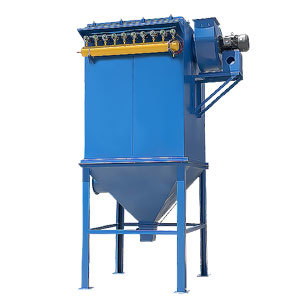
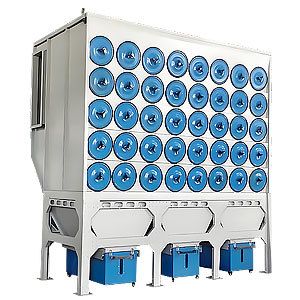
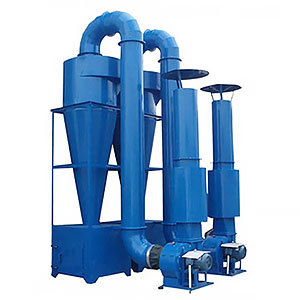
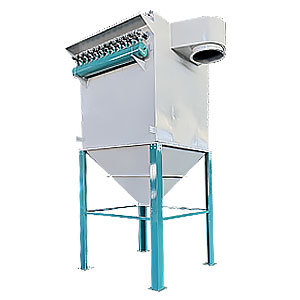
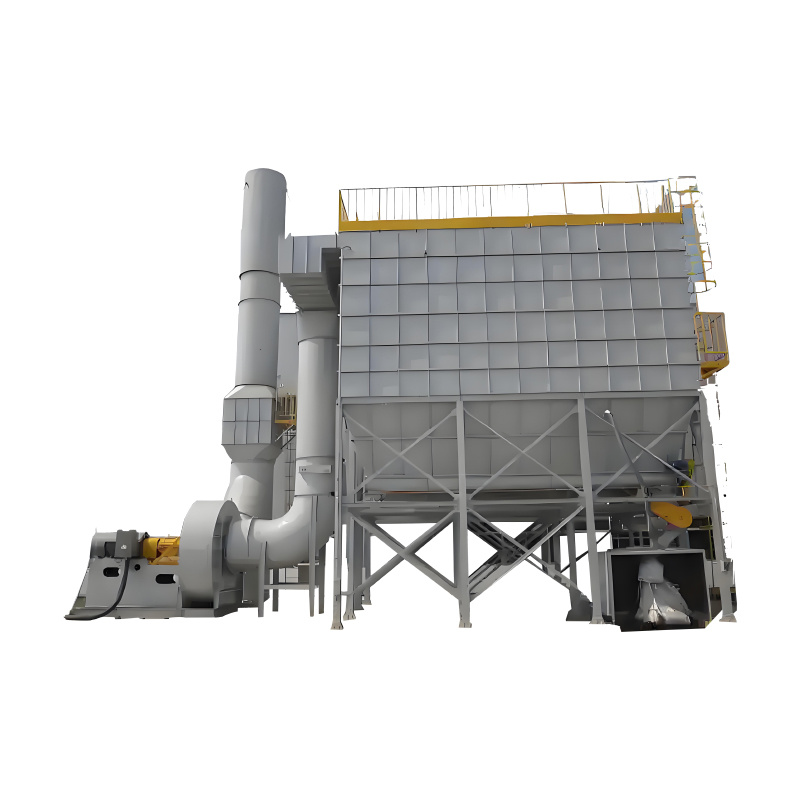
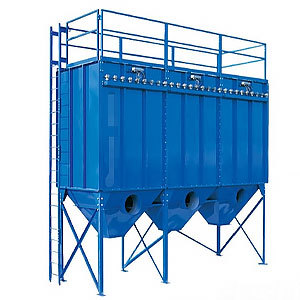
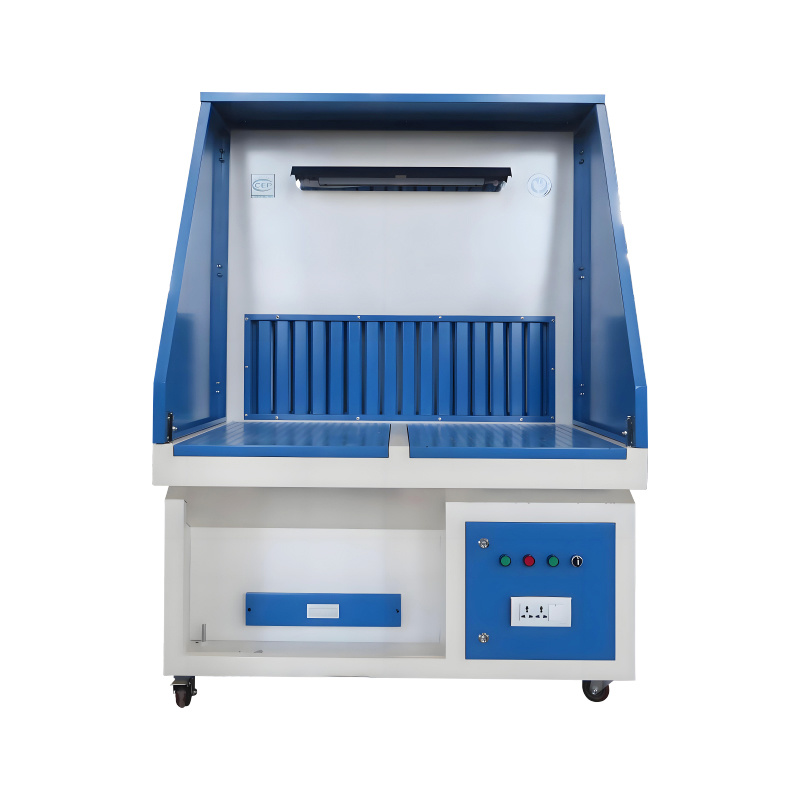
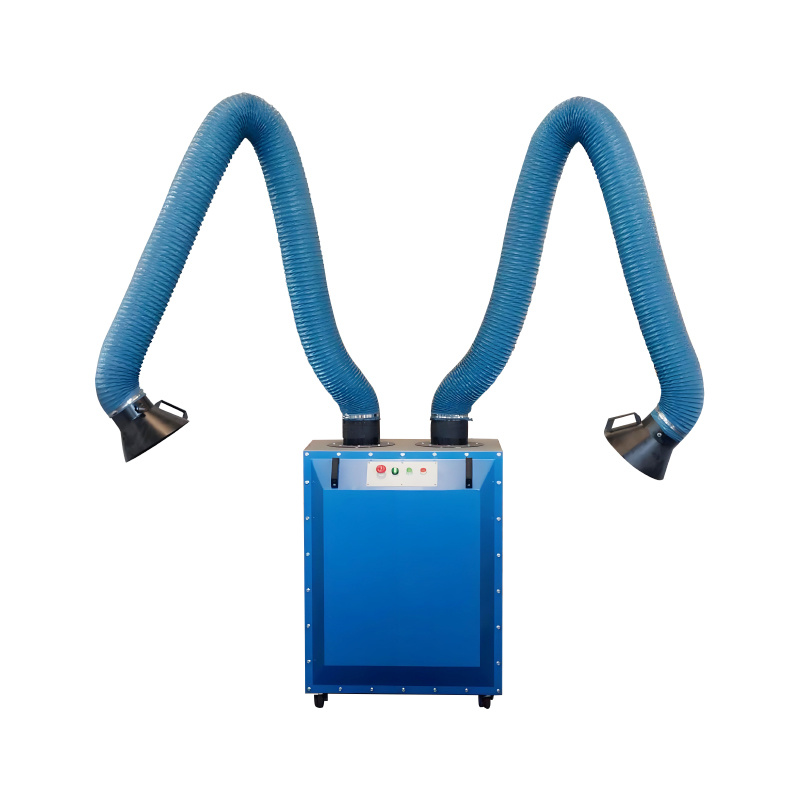
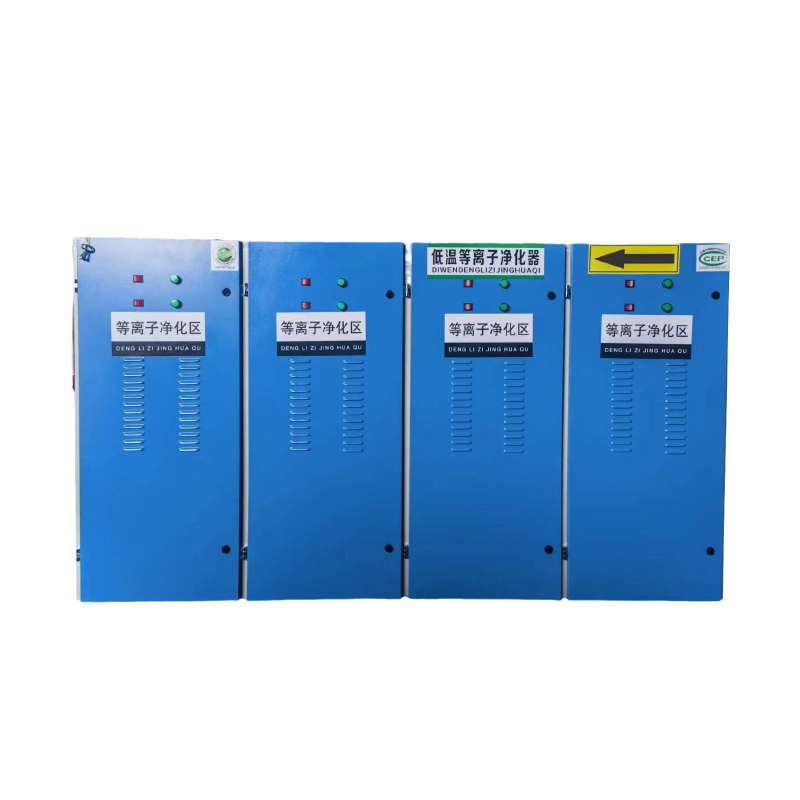
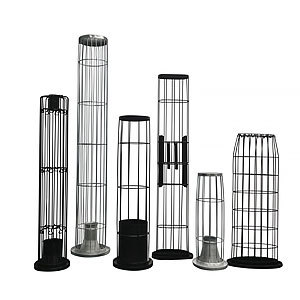
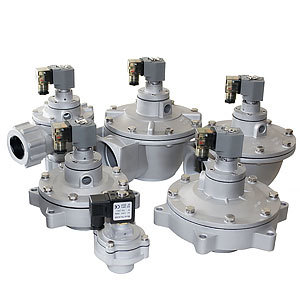
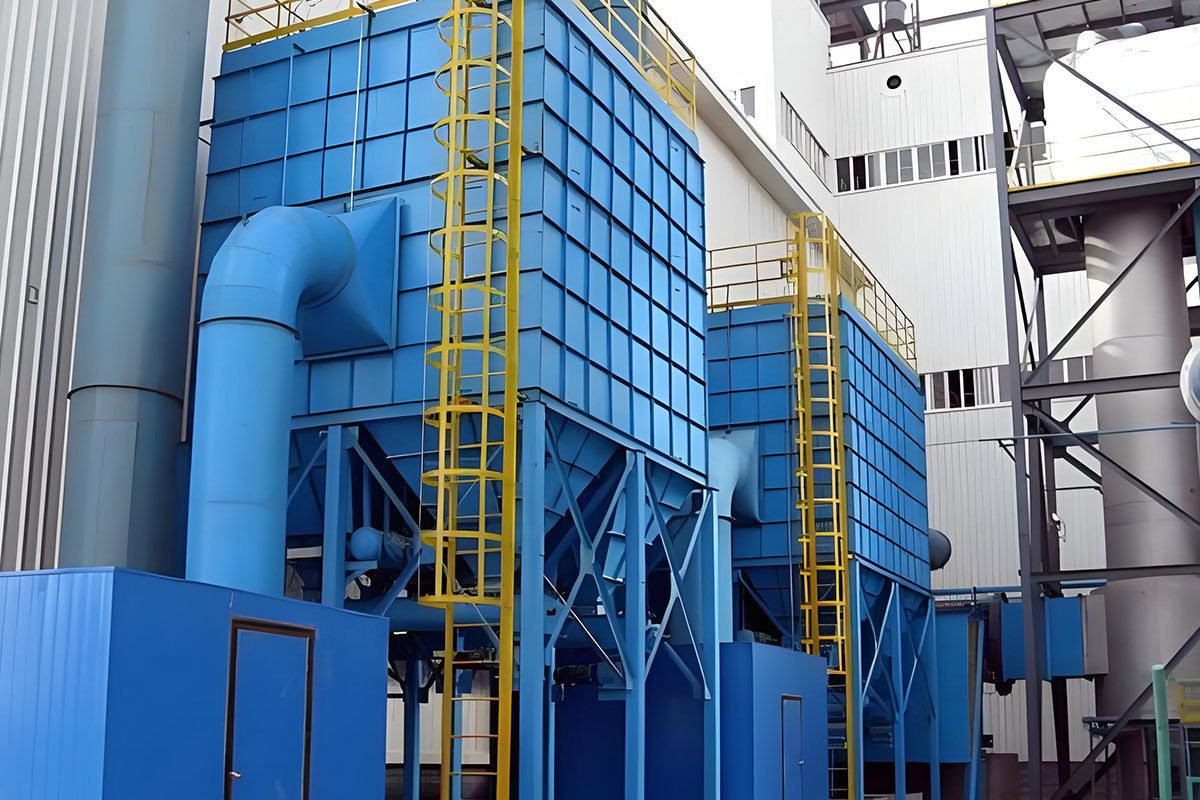
Use Dust Collection Equipment: Install efficient dust collection systems, such as baghouse dust collector or electrostatic precipitators, to continuously reduce the concentration of dust in the air. This is critical in preventing combustible dust explosions.
Regular Inspection and Maintenance: Regularly inspect electrical equipment and manage ignition sources within the factory to ensure there are no hidden dangers like electrical leaks or short circuits. Open flames should be strictly prohibited.
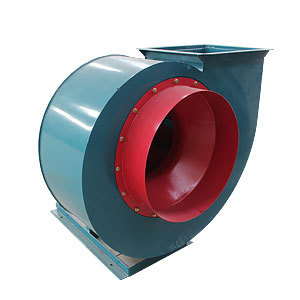
Ventilation and Air Purification: Ensure good ventilation in the workplace. If necessary, install fresh air systems to maintain airflow and ensure the timely removal of dust.
Hot Tags:


Contact Us
Tel:
WeChat:
WhatsApp:
E-mail:
Address:
338 National Road South, Longfengdian Village, Botou City, Hebei Province, China
JiuznTomine is expertly delivering technically complicated projects in markets & provides custom solutions for their customized need.


CONTACT INFO
Tel: +86 18531710311
WeChat: +86-18531710311
338 National Road South, Longfengdian Village, Botou City, Hebei Province, China