












The key component of dust collector - dust removal skeleton: the invisible force supporting efficient dust removal
Jun 19,2025

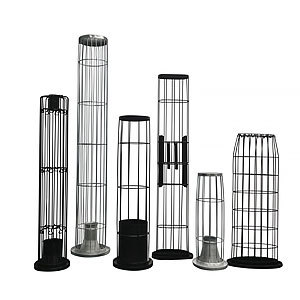
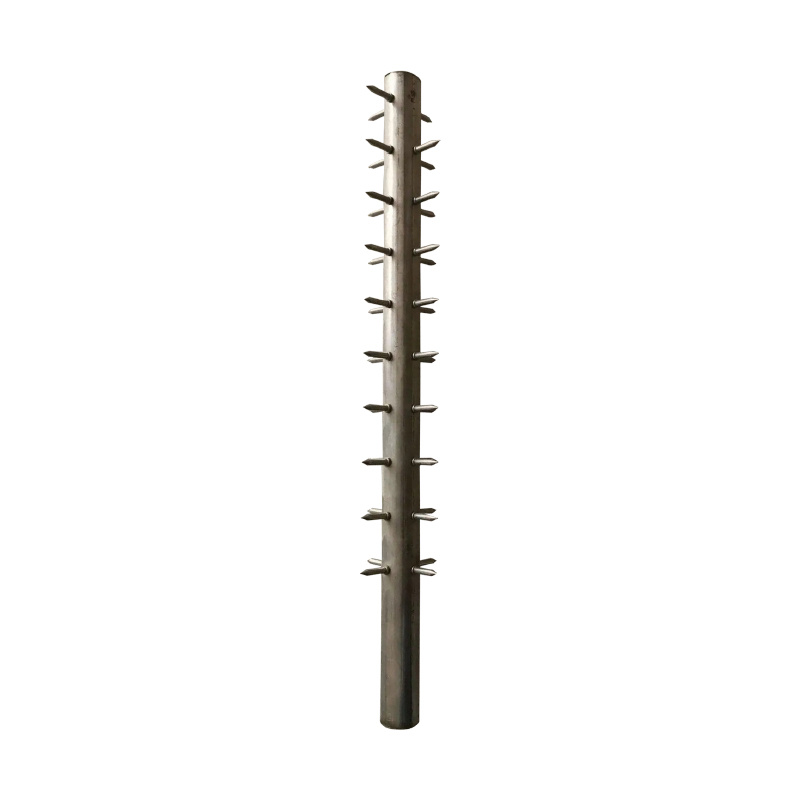
In the efficient operation system of the dust collector, although the dust removal skeleton is not as eye-catching as the dust removal bag, it is a key component to ensure the stable operation of the entire dust removal system. It is like the "skeleton" of a dust collector, providing indispensable support for the dust removal bag. Its performance directly affects the dust removal efficiency, bag service life, and overall operating cost of the equipment.
Core function: Stable support and efficient diversion
The primary function of the dust removal skeleton is to provide solid support for the dust removal bag. During the operation of the dust collector, the interior is in a negative pressure state. Without the support of the skeleton, the bag is prone to collapse and deformation, resulting in obstruction of the airflow channel and a significant decrease in dust removal efficiency. A high-quality dust removal framework can ensure that the bag maintains a good shape in a negative pressure environment, maintains a stable filtration area, and guarantees the smooth passage of dusty gases through the bag for filtration.
In addition, a well-designed dust removal framework also has a guiding effect. It can guide the dust containing gas to be evenly distributed inside the bag, avoiding local airflow speeds that are too fast or too slow, reducing uneven deposition of dust on the bag, and thus improving the overall dust removal effect. For example, using a specific shaped Venturi tube design can effectively enhance the airflow guidance effect, making the dust cleaning process more efficient.
Diverse materials: adapted to different working conditions and requirements
To meet the needs of different industrial environments, the dust removal skeleton is made of various materials, each with its unique performance advantages:
1. Carbon steel material: It has high strength and good toughness, and is relatively affordable. It is suitable for dust removal environments at room temperature and without corrosive dust, such as ordinary mechanical processing workshops and grain processing sites.
2. Stainless steel material: With excellent corrosion resistance, it performs well in environments with corrosive gases or dust such as humidity, acidity, and alkalinity, and is commonly used in industries such as chemical, metallurgical, and waste incineration. Among them, 304 stainless steel and 316L stainless steel are more common choices, with 316L stainless steel having stronger corrosion resistance and being suitable for more harsh environments.
3. Galvanized material: Galvanized treatment is applied to the surface of carbon steel to form a protective film, effectively improving the anti rust ability of the skeleton. It is suitable for working conditions with high humidity but weak corrosiveness, such as dust removal equipment in some food storage warehouses.
4. Organic silicon spray coating material: This material not only has good corrosion resistance, but also can withstand high temperatures and can be used for a long time in an environment of 200 ℃ -280 ℃. It is commonly used in the dust removal field of high-temperature flue gas, such as cement kilns, coal-fired boilers, and other places.
Key selection points: Match requirements and improve efficiency
When selecting a dust removal framework, the following factors should be considered comprehensively:
1. Working conditions: Select appropriate materials and surface treatment methods based on the nature of the dust (such as temperature, humidity, corrosiveness) and the working environment of the dust collector to ensure that the skeleton can operate stably for a long time.
2. Equipment specifications: Determine the size and structure of the framework based on the model and size of the dust collector, as well as the specifications of the dust bag.
3. Cleaning method: Different cleaning methods also have different requirements for the skeleton. The dust collector with pulse jet cleaning requires a skeleton with good strength and rigidity to withstand instantaneous airflow impact; The framework of a mechanical vibration dust collector should be able to adapt to frequent vibrations.
The dust removal skeleton, as a key component of the dust collector, although seemingly ordinary, plays an irreplaceable role in the dust removal system. Choosing high-quality dust removal skeletons can not only extend the service life of dust removal bags and improve the dust removal efficiency of dust collectors, but also reduce equipment maintenance costs, providing strong guarantees for the environmental production and economic benefits of enterprises.
Hot Tags:


Contact Us
Tel:
WeChat:
WhatsApp:
E-mail:
Address:
338 National Road South, Longfengdian Village, Botou City, Hebei Province, China
JiuznTomine is expertly delivering technically complicated projects in markets & provides custom solutions for their customized need.


CONTACT INFO
Tel: +86 18531710311
WeChat: +86-18531710311
338 National Road South, Longfengdian Village, Botou City, Hebei Province, China