











Selection of industrial dust collectors
May 28,2025

**Selection of Industrial Dust Collectors**
In today's industrial landscape, maintaining air quality is of paramount importance. Dust generated from various manufacturing processes can pose significant health risks to workers and can also damage equipment and reduce efficiency. Therefore, the selection of an appropriate industrial dust collector is critical for ensuring a safe and productive work environment. This article aims to guide you through the process of selecting the right dust collector for your industrial needs, covering key considerations, types of dust collectors, and factors influencing their efficiency.
**Understanding Your Dust Collection Needs**
Before diving into the selection process, it is essential to understand the specific needs of your facility. Begin by identifying the types of dust generated in your operations. Different processes produce varying sizes and compositions of dust particles. For example, woodworking operations may generate fine wood dust, while metalworking processes might produce heavier, metallic particles. Knowing the characteristics of the dust will help you select a collector designed to handle those specific particles effectively.
Another critical aspect to consider is the volume of dust generated. This involves measuring the airflow rate, which is typically expressed in cubic feet per minute (CFM). Understanding the volume of dust produced will allow you to choose a dust collector with the appropriate capacity. Additionally, consider the frequency of dust generation. Is it a continuous process, or is it intermittent? This information will further influence your choice.
**Types of Dust Collectors**
Once you have a clear understanding of your dust collection needs, the next step is to familiarize yourself with the various types of industrial dust collectors available on the market. The most common types include:
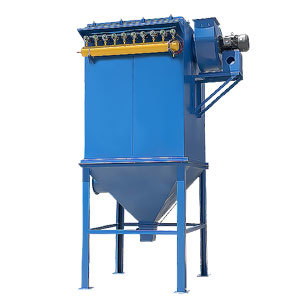
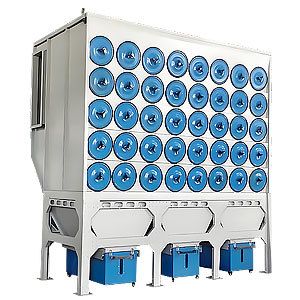
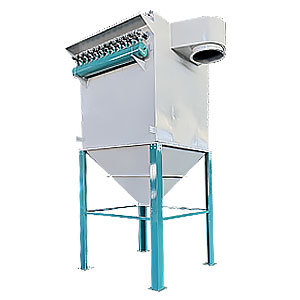
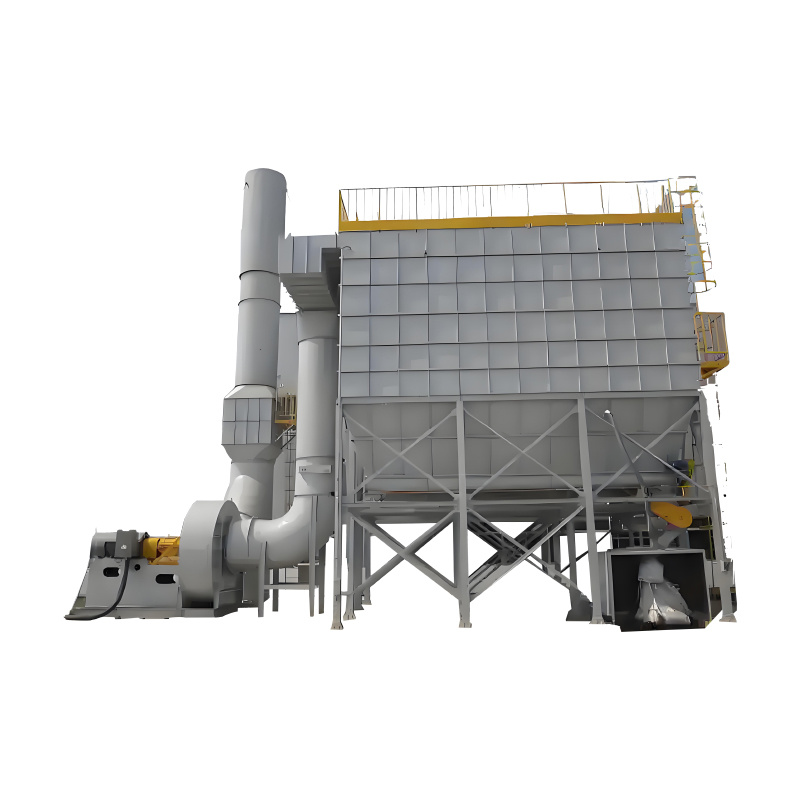
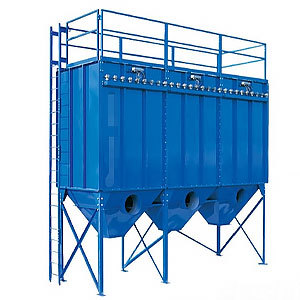
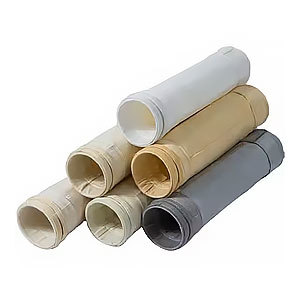
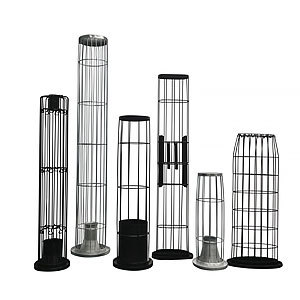
1. **Baghouse Collectors**: These systems use fabric filters to capture dust particles. Baghouse collectors are highly efficient and can handle large volumes of dust. They are suitable for various applications, including woodworking, metalworking, and food processing.
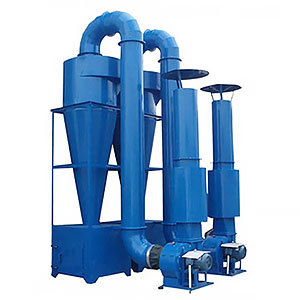
2. **Cyclone Collectors**: Utilizing centrifugal force, cyclone collectors separate dust from the air. They are ideal for larger particles and can handle high volumes of airflow. However, they may not be as effective for fine dust compared to baghouse systems.
3. **Electrostatic Precipitators (ESPs)**: These collectors use electrical charges to remove dust particles from the air. ESPs are particularly effective for fine dust and are commonly used in industries such as power generation and chemical processing.
4. **Wet Scrubbers**: These systems use liquid to capture dust particles. Wet scrubbers are effective for sticky or hygroscopic dust but may require additional maintenance due to the water used in the process.
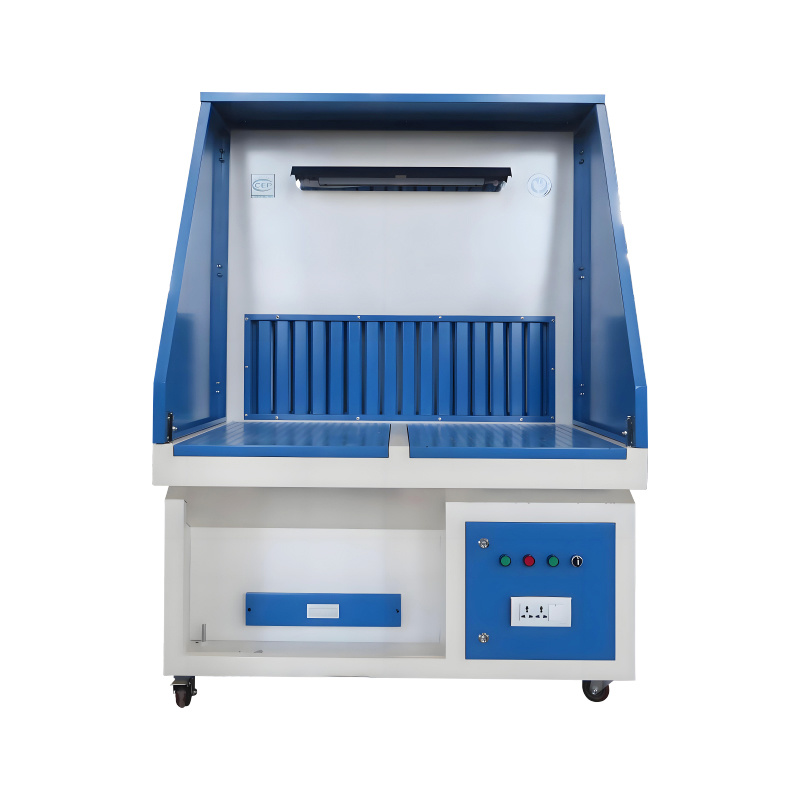
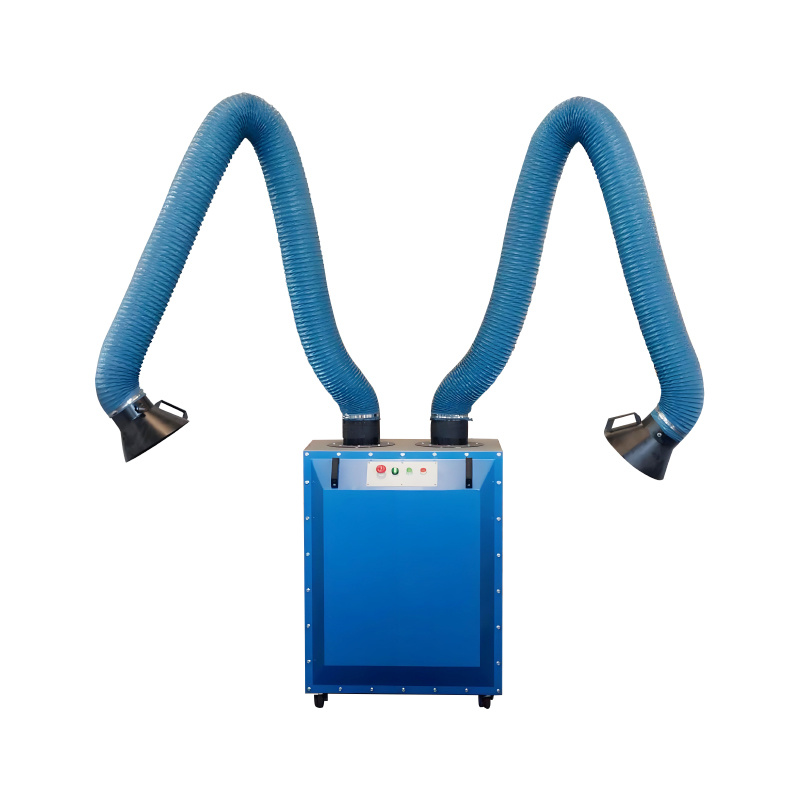
5. **Portable Collectors**: For facilities with varying dust generation points, portable dust collectors offer flexibility. These units can be moved to different locations as needed and are ideal for small-scale operations.
**Key Factors Influencing Selection**
When selecting a dust collector, several key factors should influence your decision:
1. **Efficiency**: Look for dust collectors with high collection efficiency ratings. The efficiency of a dust collector is often expressed as a percentage, indicating the amount of dust captured versus the amount generated.
2. **Filter Maintenance**: Consider the ease of filter replacement and maintenance. Some systems require frequent filter changes, while others have longer-lasting filters. A dust collector that is easy to maintain can save time and reduce downtime in your operations.
3. **Noise Levels**: Depending on your facility's regulations and work environment, noise levels may be a crucial factor. Some dust collectors can be noisy, which could affect worker comfort and productivity.
4. **Space Requirements**: Assess the available space in your facility for the dust collector. Some systems may require more room for installation and maintenance than others. Ensure that the selected system fits comfortably within your operational space.
5. **Cost**: Finally, consider your budget. While it may be tempting to choose the least expensive option, it is crucial to evaluate the long-term costs associated with maintenance, energy consumption, and potential health impacts. Investing in a higher-quality dust collector may lead to cost savings in the long run.
**Conclusion**
Selecting the right industrial dust collector is a vital step in ensuring a safe and efficient work environment. By understanding your specific dust collection needs, familiarizing yourself with the various types of dust collectors, and considering key factors such as efficiency, maintenance, noise levels, space requirements, and cost, you can make an informed decision that will benefit both your workforce and your operations.
In summary, the right dust collector not only improves air quality but also enhances productivity and compliance with health and safety regulations. Taking the time to evaluate your options and selecting a suitable system will lead to a healthier workplace and ultimately contribute to the success of your business.
Hot Tags:
PREVIOUS:


Contact Us
Tel:
WeChat:
WhatsApp:
E-mail:
Address:
338 National Road South, Longfengdian Village, Botou City, Hebei Province, China
JiuznTomine is expertly delivering technically complicated projects in markets & provides custom solutions for their customized need.


CONTACT INFO
Tel: +86 18531710311
WeChat: +86-18531710311
338 National Road South, Longfengdian Village, Botou City, Hebei Province, China