

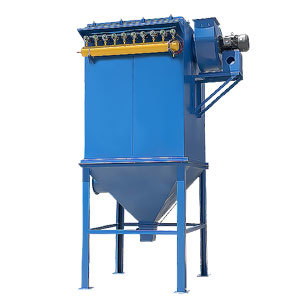
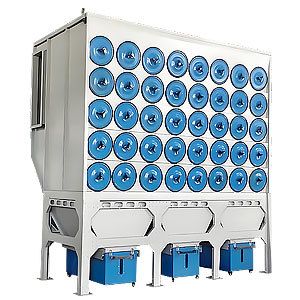
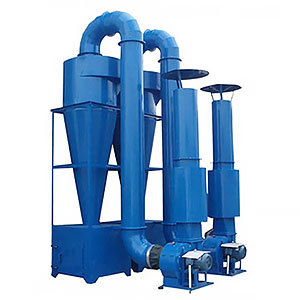

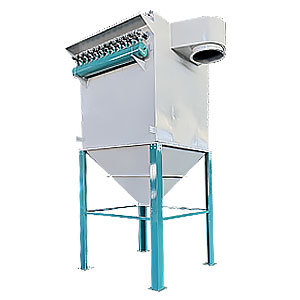
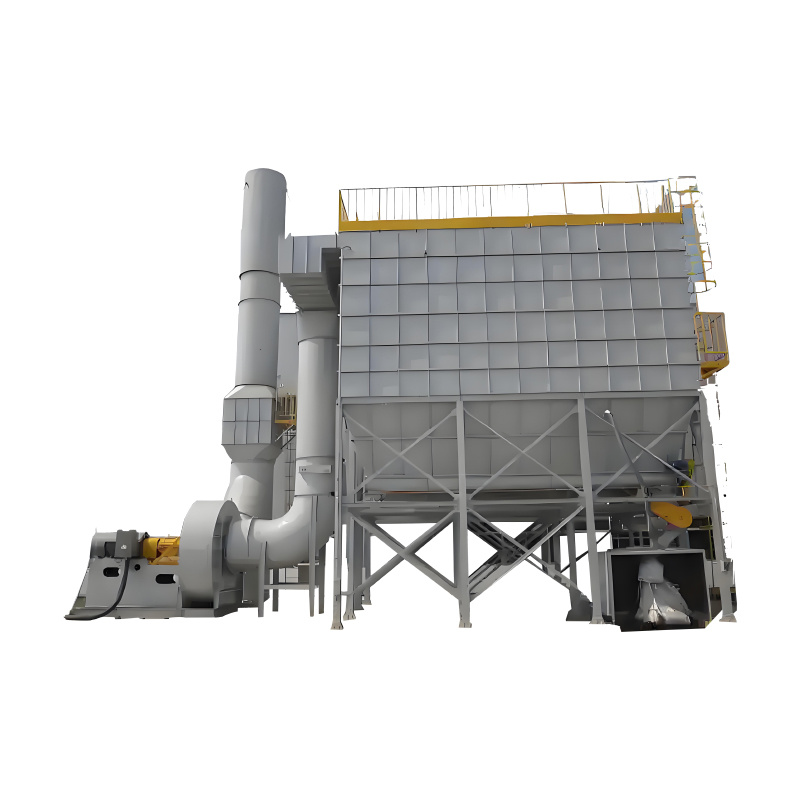
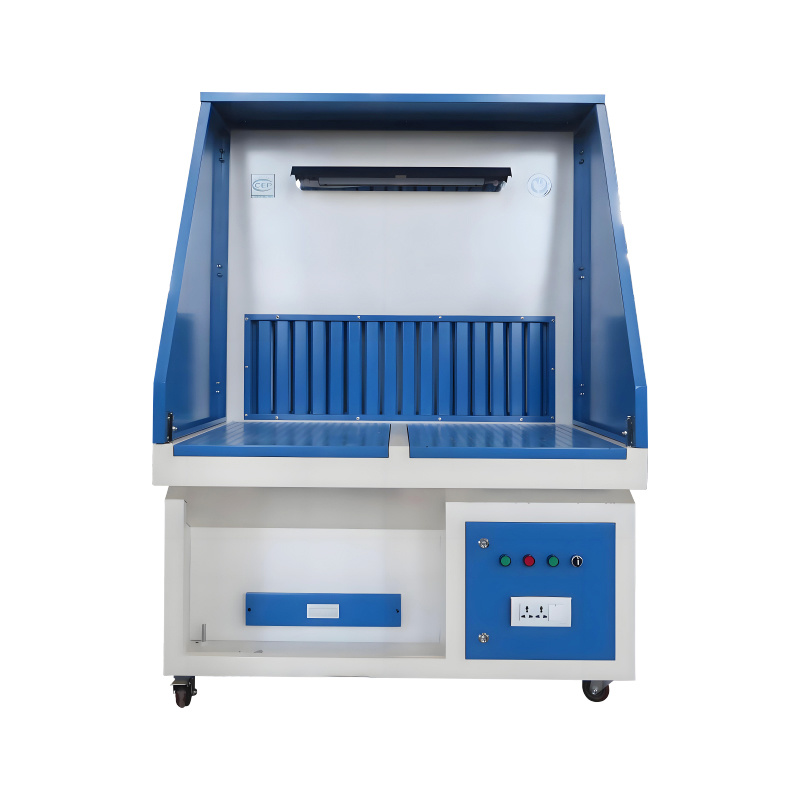
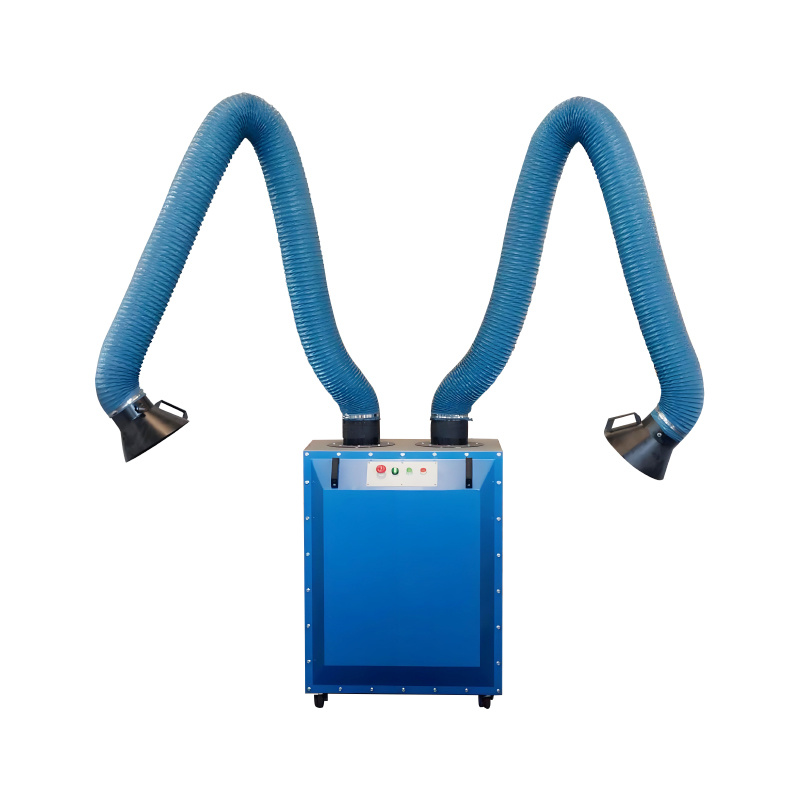









Energy saving transformation of bag filter: variable frequency fan+time-sharing dust cleaning to reduce energy consumption
Nov 05,2025

In industrial production, the bag filter, as the core dust removal equipment, often suffers from the problem of "energy waste" in traditional operation mode - the constant speed fan operates at full load regardless of the working load, and the dust cleaning system sprays at a fixed frequency, resulting in excessive loss of electrical energy and compressed air. The transformation plan of "variable frequency fan+time-sharing dust cleaning" has become a practical path for industrial energy-saving transformation by optimizing technology to adapt to dynamic changes in working conditions, reducing energy consumption without affecting dust removal efficiency and meeting emission standards.
##1、 Core logic of energy-saving renovation: allocate energy according to demand to avoid ineffective consumption
### 1. Variable frequency fan: dynamically adjust the speed according to the load
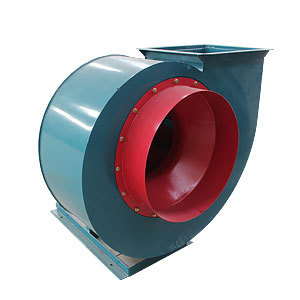
The traditional bag filter uses a fixed frequency fan with a fixed speed and always operates at full load. Even if the concentration of flue gas dust is low and the system resistance is low, it still consumes rated electrical energy.
The variable frequency fan automatically adjusts the motor speed by receiving real-time data from the system resistance and dust concentration sensors. When the dust concentration is low and the system resistance is below 800Pa, the fan slows down and reduces the air output; When the resistance rises above 1200Pa or the dust concentration suddenly increases, the automatic acceleration meets the dust removal requirements and avoids the waste of electricity caused by the "big horse pulling small car".
### 2. Time division dust cleaning: optimize the dust cleaning rhythm according to working conditions
The traditional dust cleaning system adopts a fixed interval spraying mode, which repeats the cleaning according to the set time regardless of the dust accumulation on the surface of the filter bag, resulting in excessive consumption of compressed air and possibly accelerating the wear of the filter bag due to frequent spraying.
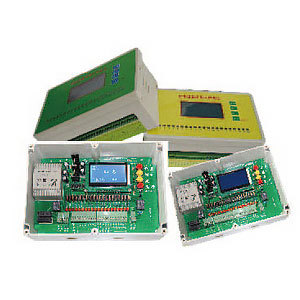
The time-sharing dust cleaning system takes "on-demand dust cleaning" as its core, and sets dynamic dust cleaning parameters by monitoring changes in filter bag resistance: when the dust load is low, the dust cleaning interval is extended (such as adjusting from 10 minutes/time to 20 minutes/time), reducing the number of blowing times; When the resistance exceeds the standard, shorten the interval and optimize the blowing time (controlled at 0.1-0.2 seconds/time) to ensure thorough dust removal and reduce compressed air consumption.
##2、 Key technical points for renovation: ensuring a balance between energy conservation and compliance with standards
### 1. Selection and commissioning of variable frequency fan
-The selection should match the design air volume and pressure range of the bag filter, ensuring that the variable frequency speed regulation range covers the actual operating load (usually suitable for 30% -100% of the rated air volume), and avoiding limited energy-saving effects due to insufficient speed regulation range.
-The control logic needs to link the system resistance and dust concentration data, set the speed adjustment threshold (such as adjusting the speed by 5% -8% for every 100Pa change in resistance), and reserve manual adjustment permission to cope with unexpected working conditions.
### 2. Parameter setting of time-sharing ash cleaning system
-The benchmark value for the cleaning interval is set based on the rate of increase in filter bag resistance under normal operating conditions, and then the cleaning "time zone" is divided according to different production loads (such as peak and off peak periods), and the parameters are adjusted accordingly.
-The spraying pressure should be adapted to the material of the filter bag (such as controlling the pressure of the laminated filter bag at 0.3-0.5MPa), to avoid damage to the filter material caused by high-pressure spraying, while ensuring the cleaning effect and preventing abnormal increase in resistance due to incomplete cleaning.
### 3. System linkage control: achieving collaborative energy conservation
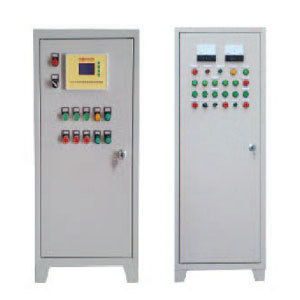
-After the renovation, a unified control platform needs to be built to enable data exchange between the variable frequency fan and the time-sharing dust cleaning system: when the fan slows down, the dust cleaning interval is synchronously extended; When accelerating the fan, shorten the cleaning cycle to avoid system imbalance caused by adjusting a single device.
-Install an energy consumption monitoring module to record real-time electricity and compressed air consumption before and after the renovation, facilitating the quantification of energy-saving effects and providing data support for subsequent parameter optimization.
##3、 Applicable scenarios and energy-saving effect reference
### 1. Adapt to working conditions
This renovation plan is particularly suitable for scenarios with large fluctuations in dust concentration, such as furniture factories, mining crushing workshops, building materials factories, etc; It is also suitable for working conditions where the air volume is stable but the load varies with the production period, such as chemical intermittent production workshops and electronic factory welding sections.
### 2. Objective energy-saving effect
-Electricity consumption: According to the differences in operating conditions, the energy consumption of the modified fan can be reduced by 20% -35%. The greater the fluctuation in dust concentration, the more significant the energy-saving effect;
-Compressed air consumption: Time division dust cleaning can reduce ineffective blowing by 30% -40%, reducing indirect energy consumption in the compressed air preparation process;
-Additional value: Slow down operation of the fan can reduce mechanical wear and extend the service life of bearings and motors; Reasonable cleaning rhythm can reduce filter bag wear and prolong replacement cycle.
##4、 Transformation precautions: Avoid risks and ensure stability
-Before the renovation, it is necessary to test the fan performance, filter bag status, and control system compatibility of the original bag filter to avoid abnormal operation after the renovation due to equipment aging or incompatibility;
-Variable frequency speed regulation may generate harmonic interference, and it is necessary to install harmonic filters to ensure the stability of the factory power grid;
-After the renovation, a 1-2 week debugging period is required to gradually optimize the frequency conversion speed and dust cleaning parameters to ensure that the dust removal efficiency is not lower than before the renovation, and the emission concentration is maintained within the local standard limits.
The core of the "variable frequency fan+time-sharing dust cleaning" transformation of the bag filter is to accurately match the operating status of the equipment with the actual working conditions through technical means, rather than relying on additional energy-saving equipment. This solution does not require the replacement of core dust removal components, has low renovation costs, quick results, and can achieve energy consumption optimization while ensuring environmental compliance. It is a practical choice in the industrial field that balances "environmental compliance" and "energy conservation and cost reduction".
Hot Tags:
PREVIOUS:


Contact Us
Tel:
WeChat:
WhatsApp:
E-mail:
Address:
338 National Road South, Longfengdian Village, Botou City, Hebei Province, China
JiuznTomine is expertly delivering technically complicated projects in markets & provides custom solutions for their customized need.


CONTACT INFO
Tel: +86 18531710311
WeChat: +86-18531710311
338 National Road South, Longfengdian Village, Botou City, Hebei Province, China