











Intelligent temperature control of electrostatic precipitator: metallurgical high-temperature flue gas treatment meets standards
Sep 16,2025
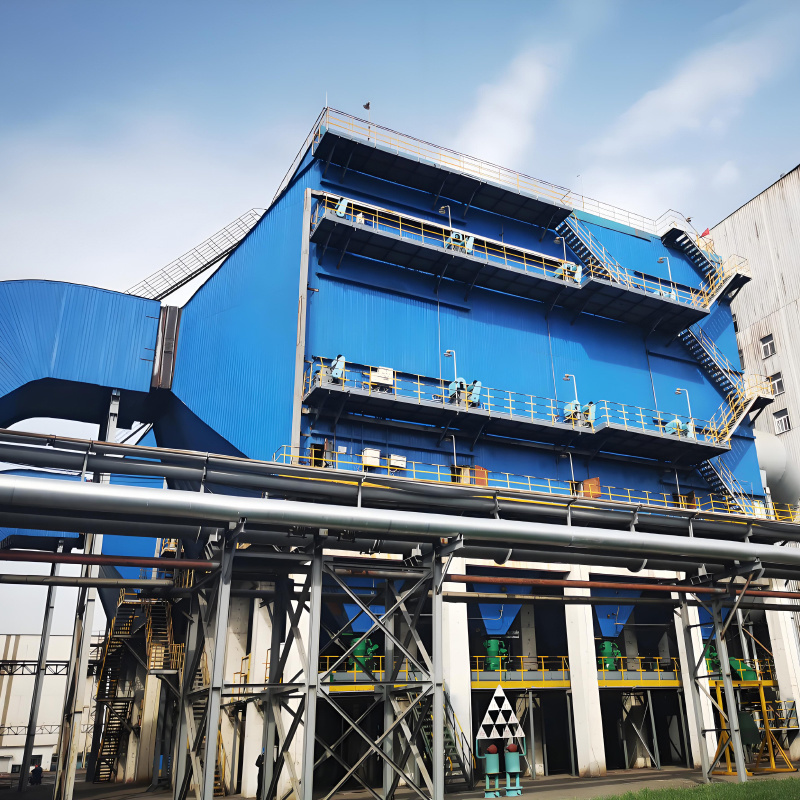
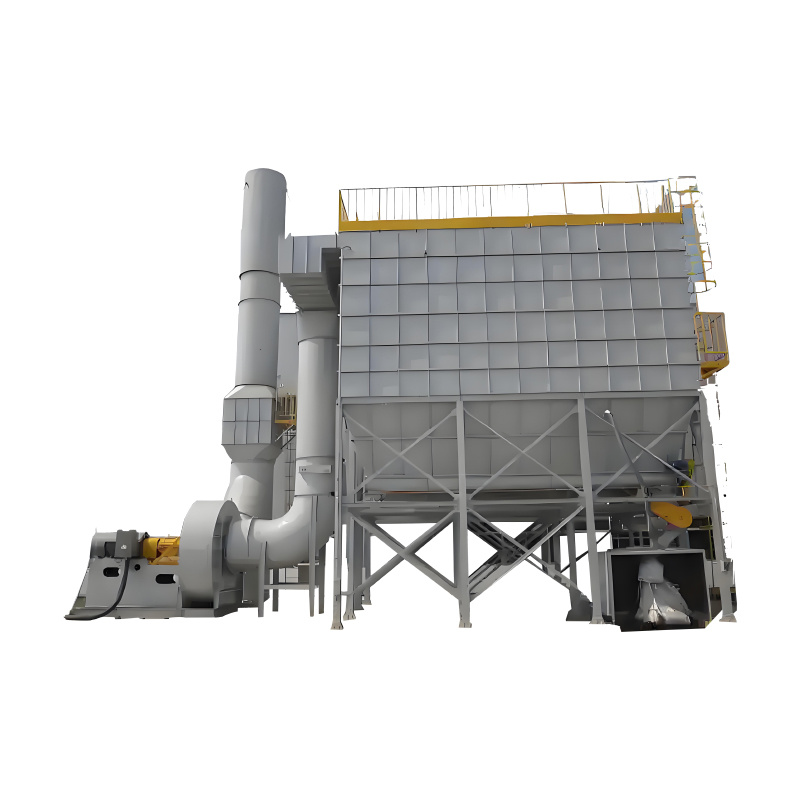
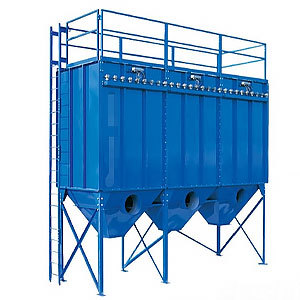
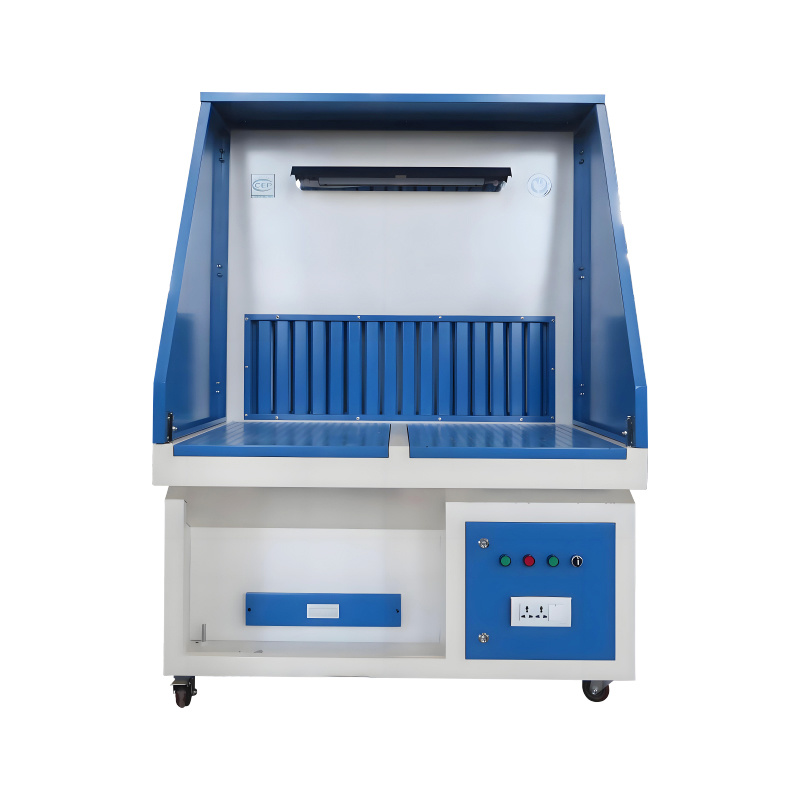
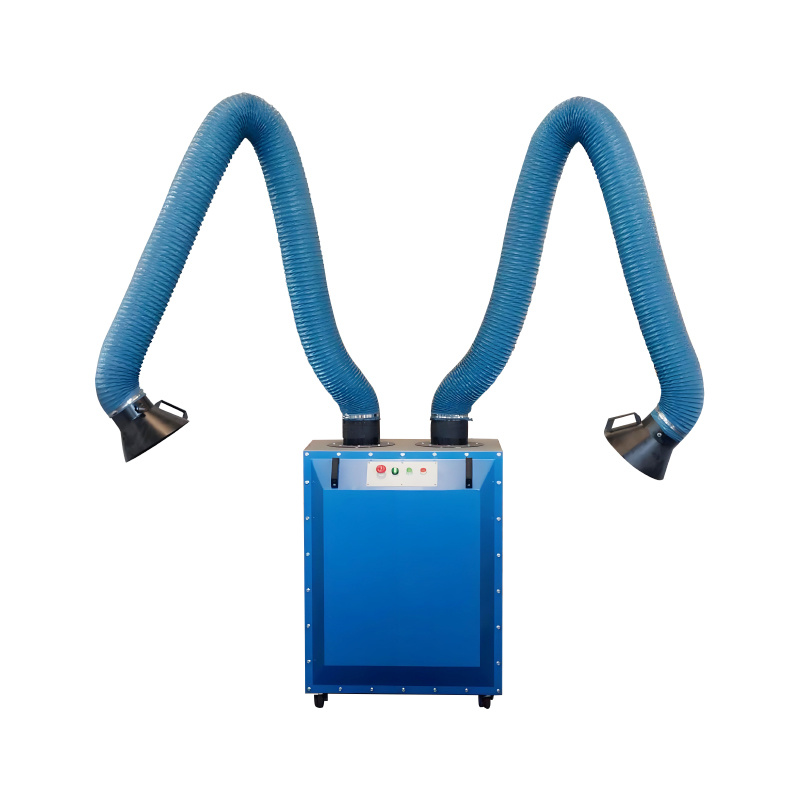
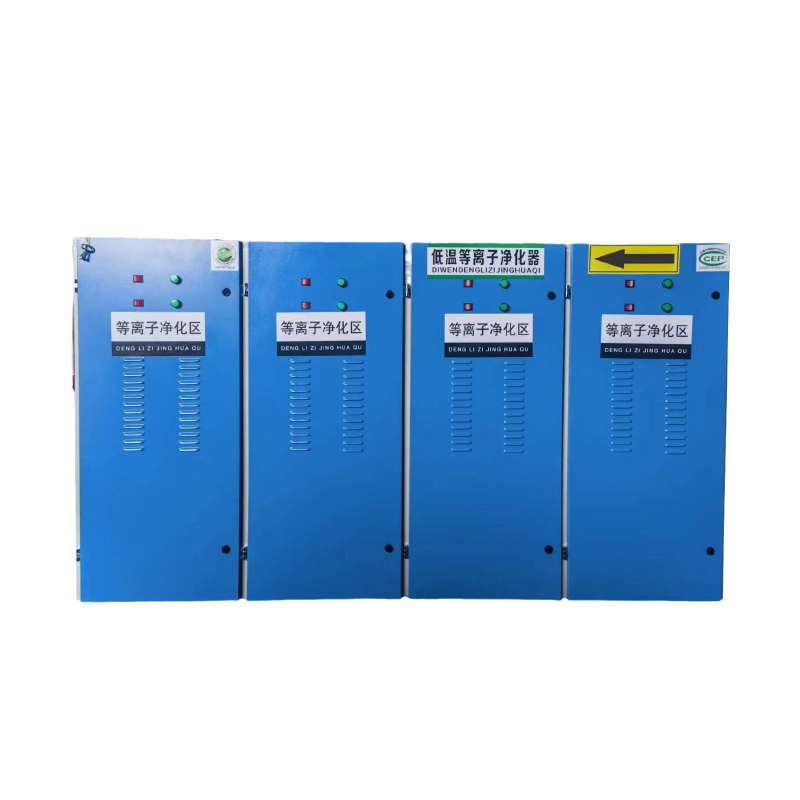
The steelmaking, ironmaking, and rolling sections of the metallurgical industry produce high-temperature flue gas ranging from 200-400 ℃, which contains complex components such as iron oxide dust and sulfides. Traditional electrostatic precipitators often experience electrode condensation and abnormal dust specific resistance due to "lagging temperature control and poor adaptation to temperature differences", resulting in a sudden drop in dust removal efficiency and excessive emissions. The electrostatic precipitator with intelligent temperature control function can accurately respond to the fluctuation of high-temperature metallurgical flue gas by adjusting the flue gas temperature in real time and stabilizing the electric field parameters, easily meeting strict standards such as EU CE and US EPA, and becoming the preferred compliance choice for overseas metallurgical enterprises.
1、 Intelligent temperature control core technology: solving the problem of high-temperature flue gas treatment
1. Real time temperature measurement+dynamic adjustment, locking in the best working conditions
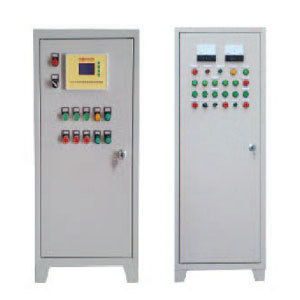
The equipment is equipped with an "infrared temperature measurement module+PLC intelligent system", with 6-8 temperature measurement points set up at the flue gas inlet and inside the electric field to monitor the flue gas temperature in real time, with a data sampling frequency of 1 time/second. When the temperature exceeds 350 ℃, the cold air valve automatically opens to introduce ambient temperature air, reducing the flue gas temperature to 250-300 ℃, which is the optimal temperature range for electrostatic precipitator; When the temperature is below 200 ℃, the electric field tracing device is activated to prevent electric field short circuits caused by electrode condensation - no manual intervention is required throughout the process, and the temperature control accuracy is ± 5 ℃.
2. Collaborative temperature control+parameter adaptation to ensure dust removal efficiency
Intelligent system linkage regulation of electric field voltage, electrode spacing, and airflow distribution: appropriately increase the electric field voltage at high temperatures to enhance dust charging capacity; Reduce the electrode spacing at low temperatures to avoid condensation affecting the electric field strength. Paired with streamlined airflow distribution plates, the smoke is evenly distributed within the electric field, ensuring that over 98% of the dust is captured and the emission concentration remains stable at ≤ 10mg/m ³, with some scenarios reaching ≤ 5mg/m ³.
3. High temperature protection design to extend equipment lifespan
For the high-temperature environment of metallurgy, key components of the equipment have been upgraded for high temperature resistance: the electric field shell is made of 16MnR heat-resistant steel plate, which can withstand temperatures up to 450 ℃; The electrode frame is made of 316L stainless steel, which is resistant to high temperature oxidation; Install insulation sleeves on insulated porcelain bottles to prevent insulation performance degradation caused by high temperatures - the overall service life of the equipment can reach 8-10 years, which is 30% longer than traditional electrostatic precipitators.
2、 Compliance adaptation: in line with global metallurgical environmental standards
1. Regional compliance customization
EU metallurgical plants: equipment with CE and ATEX explosion-proof certification, emission concentration in compliance with EN 1825 standards, and support for integration into the EU's "carbon footprint monitoring system" to assist enterprises in calculating emission reductions;
North American metallurgical plants: meet EPA Title V emission standards, equipped with PM2.5 monitoring modules, and data can be uploaded in real-time to the local environmental protection department platform to avoid fines caused by offline monitoring;
Southeast Asian metallurgical plants: adapted to high temperature and high humidity environments, equipped with flue gas dehumidification devices to prevent water vapor and dust from combining and clumping, with an emission concentration of ≤ 20mg/m ³, in line with local environmental upgrade requirements.
2. Actual case: Implementation effect of a steel mill in the Middle East
The flue gas temperature in the steel rolling section of the steel plant fluctuates between 220-380 ℃, and the emission concentration of traditional electrostatic precipitators often exceeds 40mg/m ³, resulting in an annual fine of over 80000 US dollars. After connecting to the intelligent temperature controlled electrostatic precipitator:
The emission concentration remains stable at 8mg/m ³ and has been certified by the Saudi Arabian Ministry of Environmental Protection;
Due to precise temperature control, the energy consumption of the electric field has been reduced by 18%, resulting in an annual power savings of over 50000 kWh;
The equipment failure rate has been reduced from 20% to 5%, saving $30000 in annual operation and maintenance costs.
3、 Core advantages of foreign trade: worry free implementation, long-term guarantee
For overseas metallurgical enterprises, intelligent temperature controlled electrostatic precipitators are not only "standard tools", but also "cost reducing assistants": providing full process services from site survey, scheme design to installation and commissioning; Support multilingual operation interface and remote operation and maintenance to solve the problem of insufficient overseas technical team; Key components are guaranteed for 5 years, reducing maintenance concerns in the later stages.
Under the trend of "low-carbon transformation+environmental upgrading" in the global metallurgical industry, the intelligent temperature control technology of electrostatic precipitators can help enterprises easily cope with the problem of high-temperature flue gas treatment, not only maintaining compliance bottom line, but also reducing operating costs, becoming a core competitive product in the field of foreign trade metallurgical environmental protection.
Hot Tags:


Contact Us
Tel:
WeChat:
WhatsApp:
E-mail:
Address:
338 National Road South, Longfengdian Village, Botou City, Hebei Province, China
JiuznTomine is expertly delivering technically complicated projects in markets & provides custom solutions for their customized need.


CONTACT INFO
Tel: +86 18531710311
WeChat: +86-18531710311
338 National Road South, Longfengdian Village, Botou City, Hebei Province, China