












How Sintered Plate Dust Collectors Enhance Workplace Air Quality
Nov 02,2025
How Sintered Plate Dust Collectors Enhance Workplace Air Quality
Table of Contents
1. Introduction to Sintered Plate Dust Collectors
2. The Importance of Air Quality in the Workplace
2.1 Health Impacts of Dust Exposure
2.2 Regulatory Standards for Air Quality
3. How Sintered Plate Dust Collectors Work
3.1 The Sintering Process Explained
3.2 Filtration Mechanisms of Sintered Plates
4. Advantages of
How Sintered Plate Dust Collectors Enhance Workplace Air Quality
Table of Contents
1. Introduction to Sintered Plate Dust Collectors
2. The Importance of Air Quality in the Workplace
2.1 Health Impacts of Dust Exposure
2.2 Regulatory Standards for Air Quality
3. How Sintered Plate Dust Collectors Work
3.1 The Sintering Process Explained
3.2 Filtration Mechanisms of Sintered Plates
4. Advantages of Sintered Plate Dust Collectors
4.1 Enhanced Filtration Efficiency
4.2 Durability and Longevity
4.3 Cost-Effectiveness Over Time
5. Applications of Sintered Plate Dust Collectors
5.1 Manufacturing Industries
5.2 Pharmaceutical Sector
5.3 Food Processing
6. Comparing Sintered Plate Dust Collectors with Traditional Dust Collection Systems
7. Maintenance and Care of Sintered Plate Dust Collectors
8. FAQs About Sintered Plate Dust Collectors
9. Conclusion
1. Introduction to Sintered Plate Dust Collectors
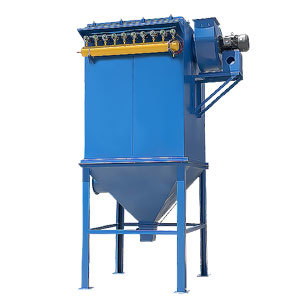
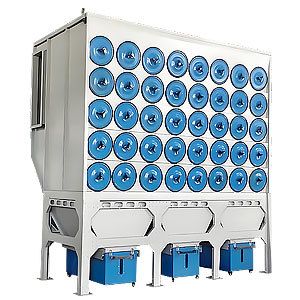
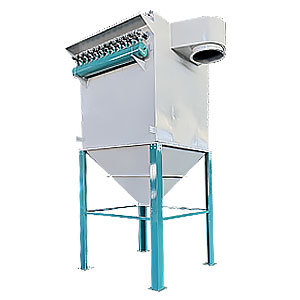
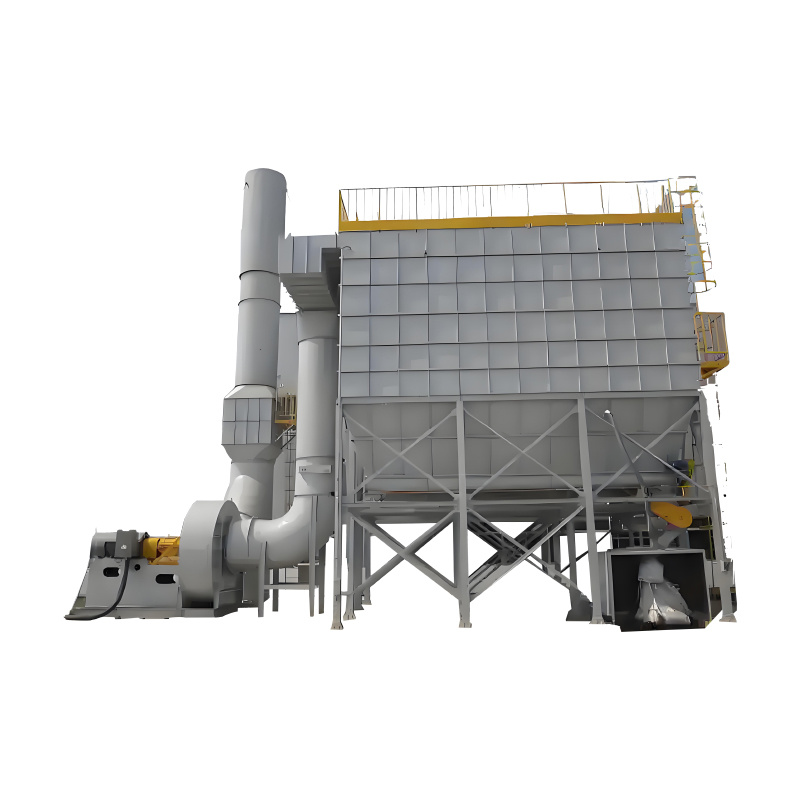
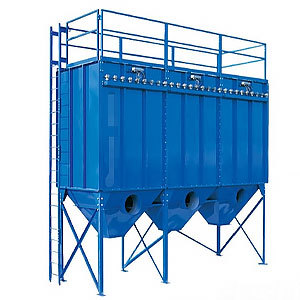
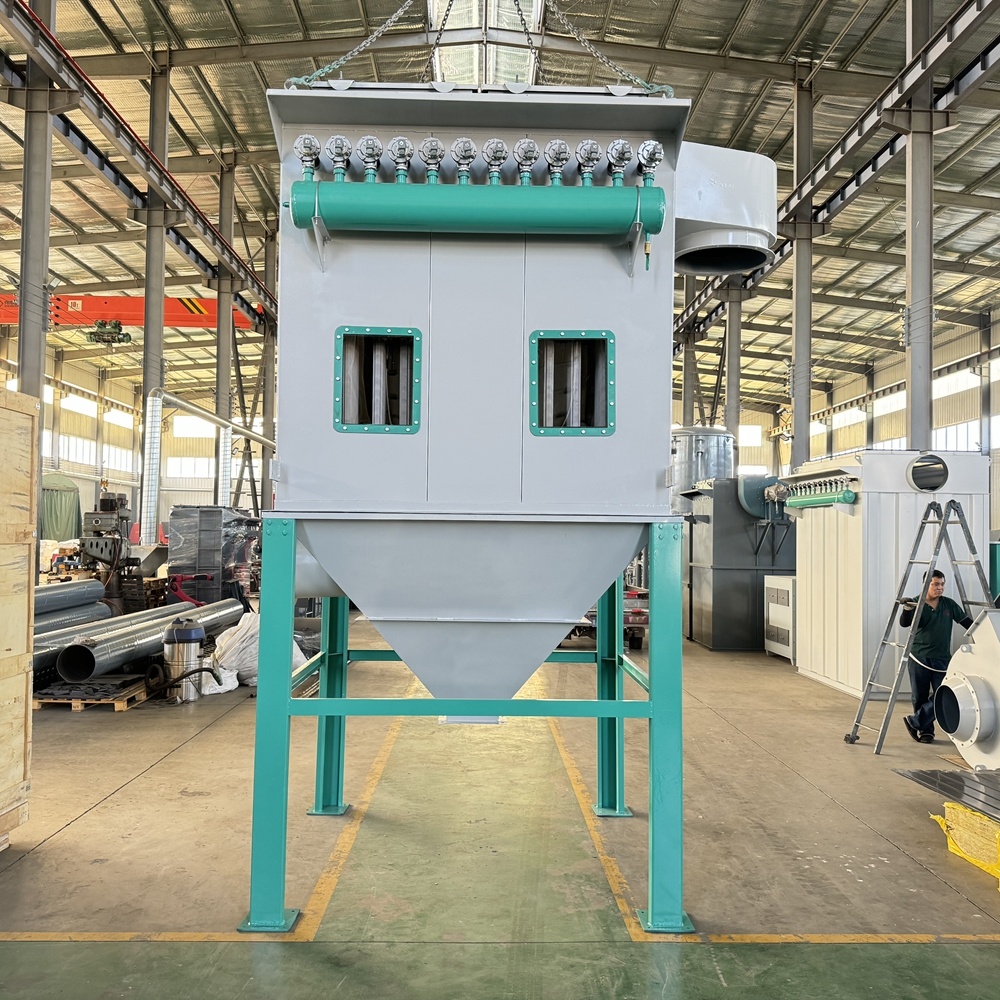
Sintered plate dust collectors represent a cutting-edge solution to one of the most pressing challenges in modern manufacturing and industrial environments: maintaining high air quality. These systems employ advanced filtration technology to capture particulate matter, ensuring that the air breathed by employees is as free from pollutants as possible. The sintered plates are made from various materials, including metals and ceramics, designed to withstand harsh operating conditions.
2. The Importance of Air Quality in the Workplace
Maintaining high air quality in the workplace is not merely a regulatory obligation but a fundamental aspect of safeguarding employee health and enhancing productivity. Poor air quality can lead to a range of health problems, including respiratory issues, allergies, and long-term chronic conditions.
2.1 Health Impacts of Dust Exposure
Dust exposure in industrial settings is a serious concern. Particulate matter can penetrate deep into the lungs, leading to conditions such as pneumoconiosis, asthma, and chronic obstructive pulmonary disease (COPD). Furthermore, prolonged exposure can exacerbate existing health issues and result in significant medical costs and lost productivity.
2.2 Regulatory Standards for Air Quality
Governments and international bodies have established stringent air quality standards to protect workers. Compliance with these regulations is essential for any organization to avoid heavy fines and legal repercussions. Sintered plate dust collectors can play a pivotal role in meeting these standards by effectively reducing airborne contaminants.
3. How Sintered Plate Dust Collectors Work
Understanding how sintered plate dust collectors operate is crucial for appreciating their benefits. These systems utilize a unique combination of physical and mechanical filtration methods to remove particles from the air.
3.1 The Sintering Process Explained
Sintered plates are created through a sintering process that involves heating materials to a temperature below their melting point, causing them to fuse together. This creates a porous structure that allows air to flow through while capturing dust and particulate matter. The porosity can be controlled during manufacturing, allowing for customized filtration rates.
3.2 Filtration Mechanisms of Sintered Plates
The primary mechanism behind sintered plate dust collectors is the depth filtration method. As air passes through the sintered plates, particles get trapped in the porous structure. Larger particles are filtered out first, while smaller particles are progressively trapped deeper in the matrix. This multi-layered approach ensures a high capture efficiency and extends the lifespan of the filter.
4. Advantages of Sintered Plate Dust Collectors
Sintered plate dust collectors offer numerous advantages over traditional dust collection systems, making them an increasingly popular choice in various industries.
4.1 Enhanced Filtration Efficiency
One of the standout features of sintered plate dust collectors is their superior filtration efficiency. They can capture particles as small as a few microns, making them ideal for environments with fine dust. This enhanced performance leads to cleaner air and fewer health risks for employees.
4.2 Durability and Longevity
Sintered plates are known for their durability. Unlike fabric filters that may degrade over time, sintered plates can withstand harsh chemicals and high temperatures, making them suitable for demanding industrial applications. This durability translates into a longer operational life, reducing the need for frequent replacements.
4.3 Cost-Effectiveness Over Time
While the initial investment in sintered plate dust collectors may be higher than traditional systems, their long-term cost-effectiveness is undeniable. Reduced maintenance costs, lower energy consumption, and minimal downtime contribute to significant savings in the long run.
5. Applications of Sintered Plate Dust Collectors
Sintered plate dust collectors are versatile systems that find applications across various sectors, including manufacturing, pharmaceuticals, and food processing.
5.1 Manufacturing Industries
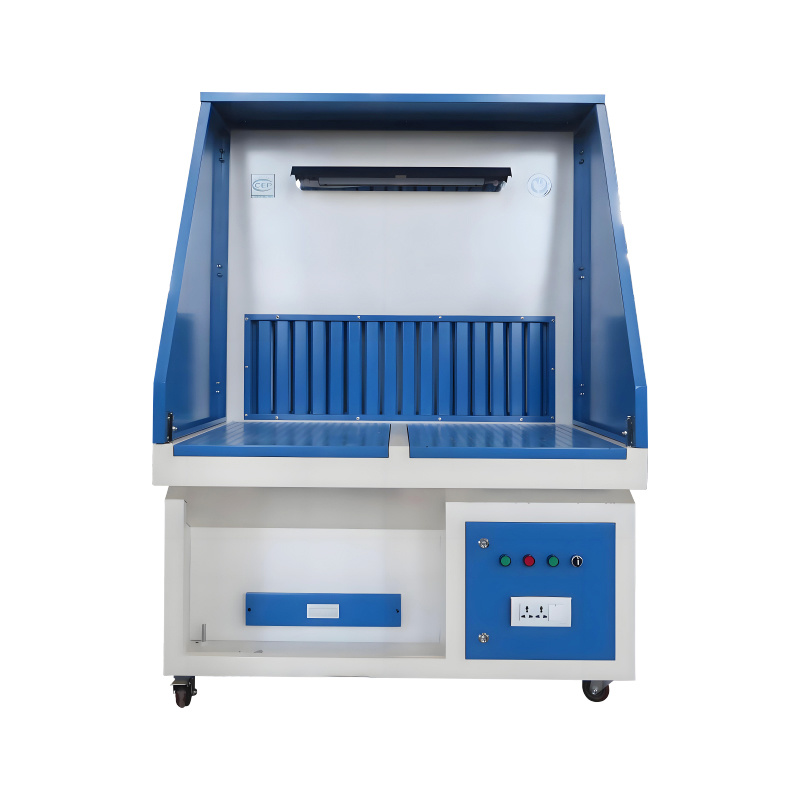
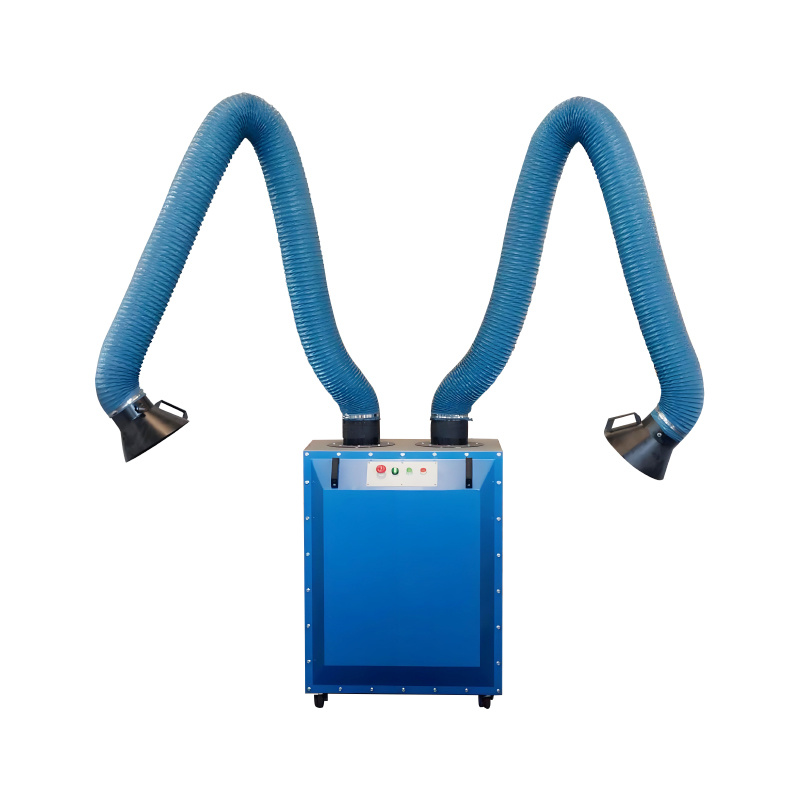
In manufacturing environments, sintered plate dust collectors efficiently manage the dust generated by machining operations, metalworking, and woodworking. By maintaining optimal air quality, these systems help to protect workers and equipment while enhancing overall productivity.
5.2 Pharmaceutical Sector
The pharmaceutical industry requires strict control over air quality to ensure product safety and compliance with regulatory standards. Sintered plate dust collectors provide a reliable solution for maintaining clean air in production and packaging areas, safeguarding both employees and products.
5.3 Food Processing
In the food processing sector, maintaining air quality is critical to prevent contamination. Sintered plate dust collectors help to eliminate dust and other particulates that could compromise food safety, ensuring a hygienic production environment.
6. Comparing Sintered Plate Dust Collectors with Traditional Dust Collection Systems
When it comes to dust collection systems, several options are available. However, sintered plate dust collectors stand out due to their unique benefits.
Traditional fabric filters may trap dust effectively, but they require frequent cleaning and replacement, leading to increased maintenance costs. In contrast, sintered plates have a longer lifespan and require less maintenance, making them a more efficient choice in the long run.
7. Maintenance and Care of Sintered Plate Dust Collectors
Proper maintenance of sintered plate dust collectors is essential to ensure their longevity and performance. Regular inspections should be conducted to check for any signs of wear or damage. Cleaning can often be achieved through backflushing or other non-invasive methods, preserving the integrity of the filters while maintaining optimal performance.
8. FAQs About Sintered Plate Dust Collectors
What is a sintered plate dust collector?
A sintered plate dust collector is an advanced filtration system that uses sintered plates to capture dust and particulate matter from the air, ensuring cleaner air quality in industrial environments.
How do sintered plates improve air quality?
Sintered plates enhance air quality by using a porous structure to trap particles, including fine dust, thus preventing them from being inhaled by workers.
Are sintered plate dust collectors expensive?
While the initial investment may be higher than traditional dust collectors, the durability and low maintenance costs of sintered plate systems make them cost-effective over time.
What industries benefit the most from sintered plate dust collectors?
Manufacturing, pharmaceuticals, and food processing are among the industries that benefit significantly from the use of sintered plate dust collectors.
How often do sintered plate dust collectors need maintenance?
Sintered plate dust collectors require less frequent maintenance compared to traditional systems but should be inspected regularly to ensure optimal performance and longevity.
9. Conclusion
In conclusion, sintered plate dust collectors play an essential role in enhancing workplace air quality. Their ability to efficiently capture fine particulate matter, coupled with their durability and cost-effectiveness, makes them an ideal choice for various industries. By investing in these advanced filtration systems, organizations can create healthier work environments, comply with regulatory standards, and ultimately boost productivity. As we continue to prioritize employee health and safety, the importance of innovative air purification technologies like sintered plate dust collectors cannot be overstated.
Hot Tags:


Contact Us
Tel:
WeChat:
WhatsApp:
E-mail:
Address:
338 National Road South, Longfengdian Village, Botou City, Hebei Province, China
JiuznTomine is expertly delivering technically complicated projects in markets & provides custom solutions for their customized need.


CONTACT INFO
Tel: +86 18531710311
WeChat: +86-18531710311
338 National Road South, Longfengdian Village, Botou City, Hebei Province, China