











Exploring the Benefits of High-Efficiency Dust Collection Systems for Grinding Platforms
Oct 29,2025
Exploring the Benefits of High-Efficiency Dust Collection Systems for Grinding Platforms
Table of Contents
1. Introduction to Dust Collection Systems
2. Importance of Dust Collection in Grinding Operations
3. Features of High-Efficiency Dust Collection Systems
3.1 Technological Advancements in Dust Collection
3.2 Energy Efficiency and C

Exploring the Benefits of High-Efficiency Dust Collection Systems for Grinding Platforms
Table of Contents
- 1. Introduction to Dust Collection Systems
- 2. Importance of Dust Collection in Grinding Operations
- 3. Features of High-Efficiency Dust Collection Systems
- 4. Health and Environmental Benefits
- 5. Industry Best Practices for Dust Collection
- 6. Case Studies: Successful Implementation of Dust Collection Systems
- 7. The Future of Dust Collection in Industrial Settings
- 8. Conclusion: Investing in High-Efficiency Dust Collection
- 9. FAQs About High-Efficiency Dust Collection Systems
1. Introduction to Dust Collection Systems
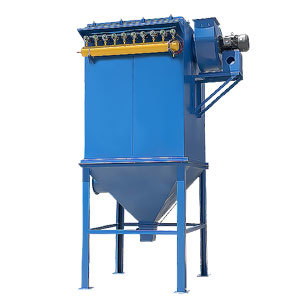
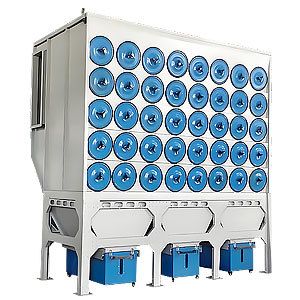
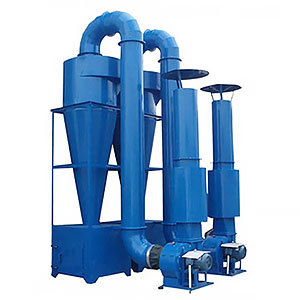
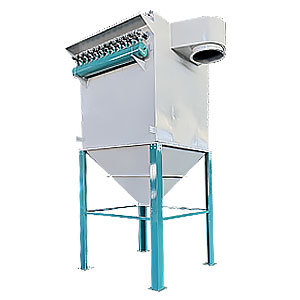
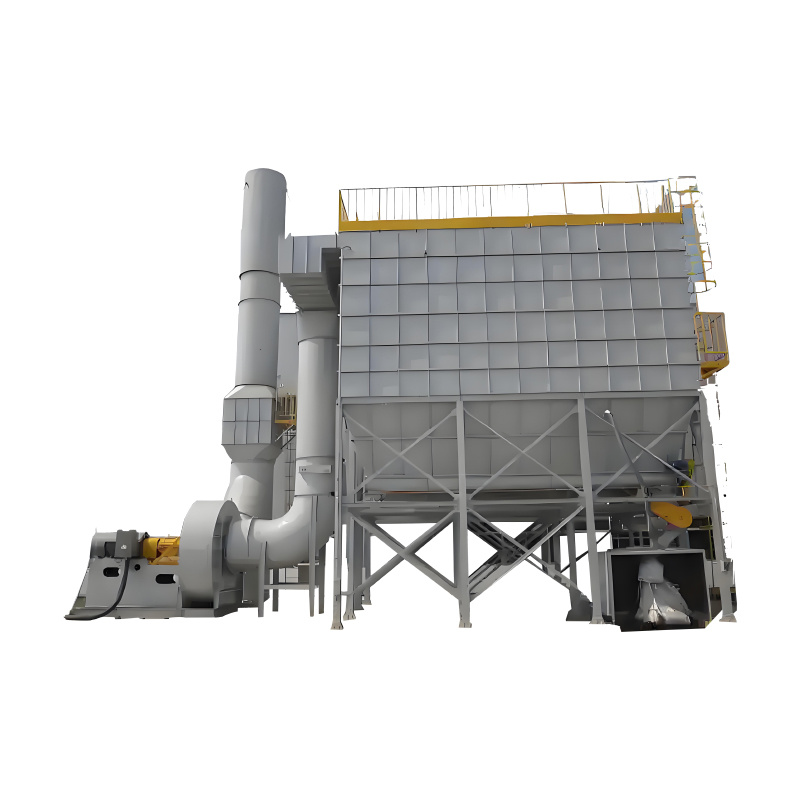
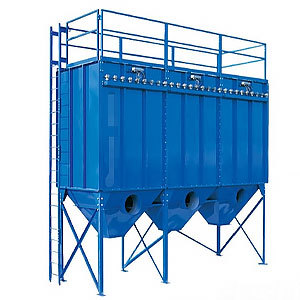
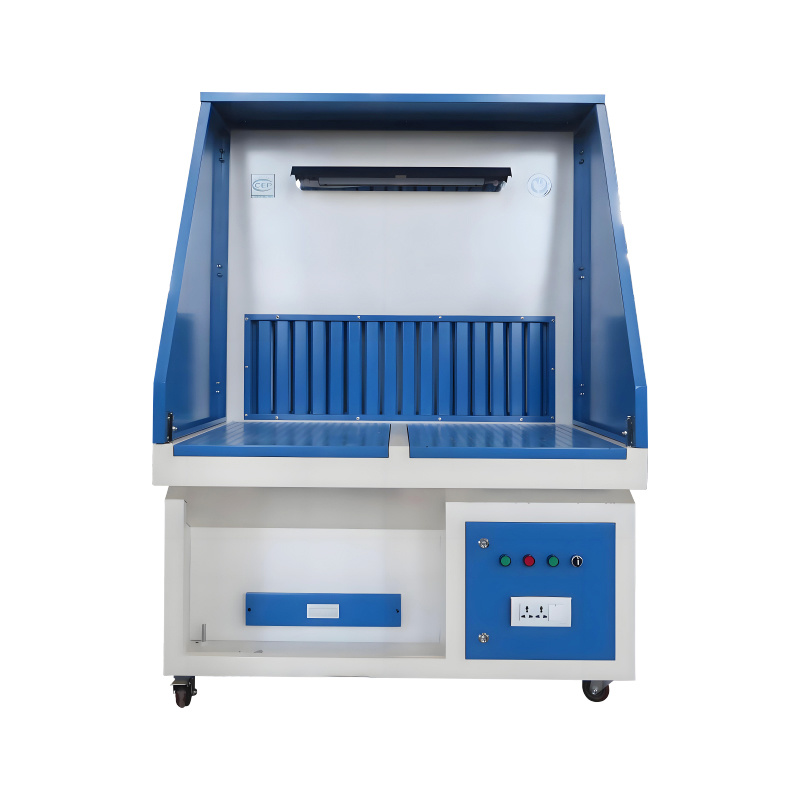
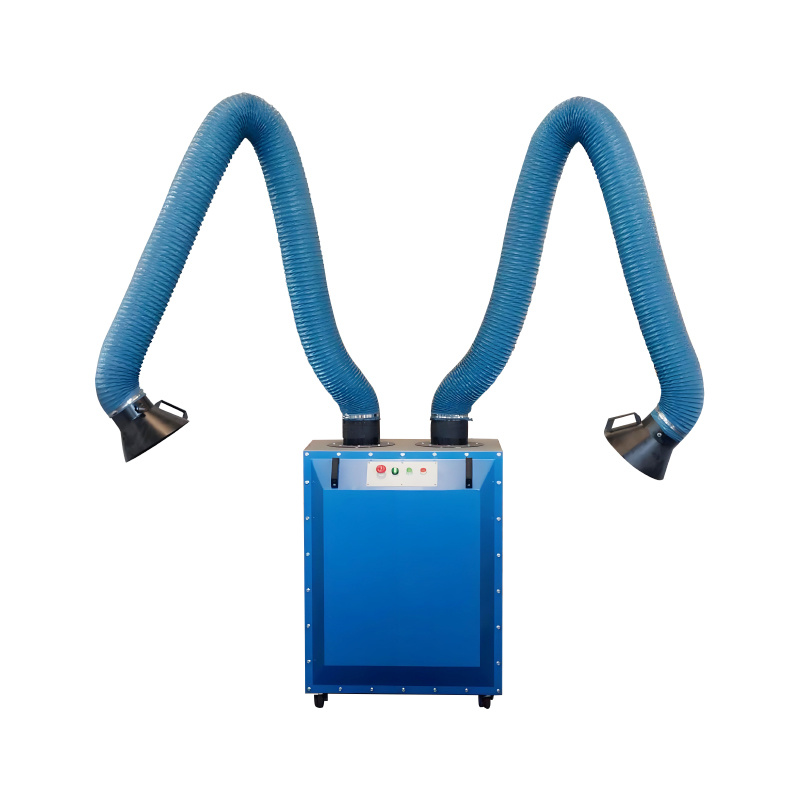
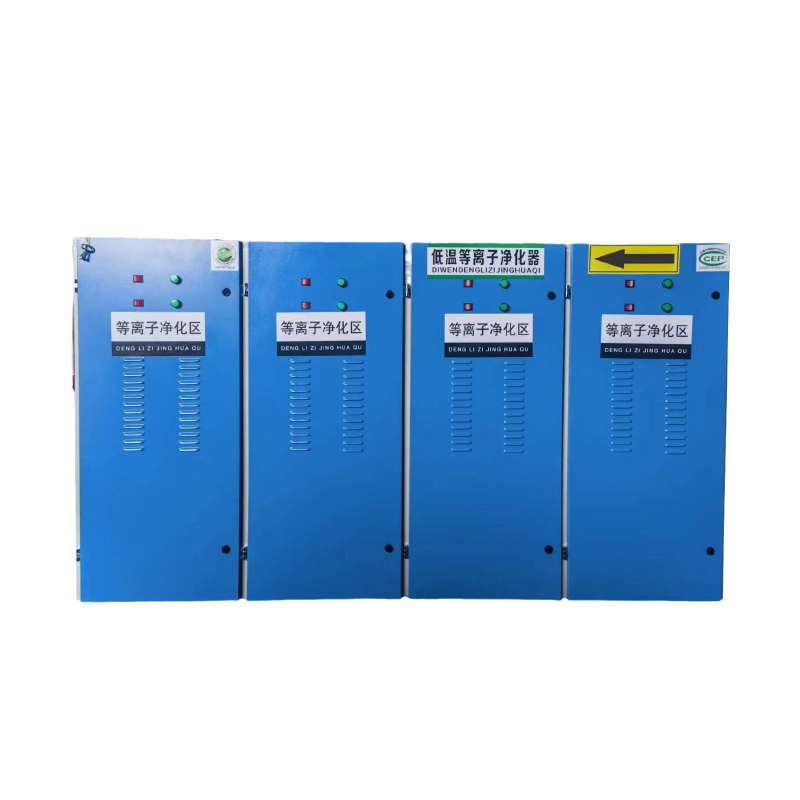
In today's industrial landscape, ensuring a clean and safe working environment is paramount. **High-efficiency dust collection systems** play a critical role in achieving this objective, particularly in **grinding platforms** where dust generation is prevalent. These systems are designed to efficiently capture and filter airborne particles, thus enhancing overall workplace safety and productivity.
2. Importance of Dust Collection in Grinding Operations
Grinding operations are notorious for generating fine particulate matter, which can pose serious health risks to workers. **Inhalation of dust** can lead to respiratory issues and other health complications. Furthermore, excessive dust can create hazardous conditions, leading to reduced visibility and potential fire or explosion risks. Implementing a reliable dust collection system not only mitigates these risks but also helps businesses comply with stringent health and safety regulations.
3. Features of High-Efficiency Dust Collection Systems
High-efficiency dust collection systems are engineered with advanced features that optimize dust removal processes. Understanding these features is essential for selecting the right system for your grinding operations.
3.1 Technological Advancements in Dust Collection
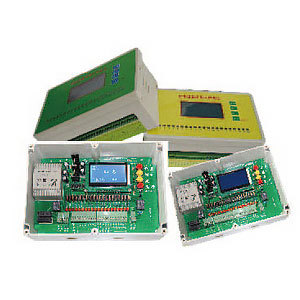
Modern dust collection systems utilize state-of-the-art technology, including **high-efficiency particulate air (HEPA)** filters, which can capture 99.97% of particles as small as 0.3 microns. These systems also incorporate automated controls, allowing for real-time monitoring and adjustments, thereby enhancing their effectiveness.
3.2 Energy Efficiency and Cost Savings
High-efficiency dust collection systems are designed to consume less energy while providing superior dust removal capabilities. By utilizing variable speed fans and energy-efficient motors, these systems reduce operational costs. Businesses can benefit from significant savings on energy bills while maintaining optimal performance levels.
4. Health and Environmental Benefits
The health benefits of high-efficiency dust collection systems extend beyond compliance with regulations. Clean air significantly improves worker morale and productivity. By reducing exposure to hazardous dust, companies can lower absenteeism and healthcare costs associated with respiratory illnesses. Additionally, improved air quality contributes to a healthier environment, benefiting both employees and the surrounding community.
5. Industry Best Practices for Dust Collection
To maximize the effectiveness of dust collection systems, firms must adopt industry best practices.
5.1 Selecting the Right Dust Collection System
Choosing the appropriate dust collection system involves understanding the specific needs of your grinding operations. Factors such as the type of material being ground, the volume of dust generated, and spatial constraints should guide your selection process. Consulting with industry experts can help ensure that you choose a system that meets your operational requirements.
5.2 Maintenance of Dust Collection Systems
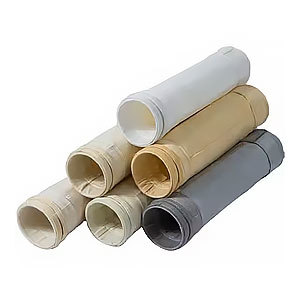
Regular maintenance is crucial for sustaining the efficiency of dust collection systems. This includes routine inspections, filter replacements, and system cleaning. Establishing a proactive maintenance schedule can prevent downtime and extend the lifespan of the equipment, ensuring consistent performance.
6. Case Studies: Successful Implementation of Dust Collection Systems
Several businesses have successfully implemented high-efficiency dust collection systems, leading to remarkable improvements in safety and productivity.
For instance, a manufacturing plant specializing in metal grinding installed a **centralized dust collection system** that reduced airborne particulate levels by over 80%. As a result, employee health improved, and the facility experienced a noticeable increase in operational efficiency. Another case involved a woodworking shop that integrated an advanced dust collection system, which not only enhanced air quality but also improved equipment lifespan by minimizing dust accumulation.
7. The Future of Dust Collection in Industrial Settings
The future of dust collection systems is geared towards smart technologies. Incorporating IoT (Internet of Things) capabilities will allow systems to communicate real-time data regarding their performance and maintenance needs. This evolution will lead to more efficient operations and better resource management, changing the landscape of industrial cleaning and safety protocols.
8. Conclusion: Investing in High-Efficiency Dust Collection
Investing in **high-efficiency dust collection systems** is not merely a compliance measure but a strategic decision that enhances workplace safety, boosts productivity, and contributes to a healthier environment. As industries continue to prioritize employee welfare and operational efficiency, these systems will prove vital in navigating the challenges associated with dust management in grinding operations.
9. FAQs About High-Efficiency Dust Collection Systems
What is a high-efficiency dust collection system?
A high-efficiency dust collection system is designed to capture and filter fine particulate matter effectively, ensuring a cleaner and safer working environment.
How does dust collection improve workplace safety?
By reducing airborne dust levels, these systems minimize the risk of respiratory issues, enhance visibility, and decrease the likelihood of fire hazards.
What are the key benefits of advanced dust collection systems?
Key benefits include improved air quality, increased worker productivity, compliance with health regulations, and reduced operational costs due to energy efficiency.
How often should dust collection systems be maintained?
Regular maintenance should be performed at least quarterly, with more frequent inspections recommended depending on the volume of dust generated.
Can high-efficiency dust collection systems help reduce energy costs?
Yes, these systems are designed to operate efficiently, often leading to significant energy savings and lower operational costs.
By implementing the strategies and insights outlined in this article, businesses can leverage high-efficiency dust collection systems to create safer, more productive grinding environments.
Hot Tags:


Contact Us
Tel:
WeChat:
WhatsApp:
E-mail:
Address:
338 National Road South, Longfengdian Village, Botou City, Hebei Province, China
JiuznTomine is expertly delivering technically complicated projects in markets & provides custom solutions for their customized need.


CONTACT INFO
Tel: +86 18531710311
WeChat: +86-18531710311
338 National Road South, Longfengdian Village, Botou City, Hebei Province, China