












Baghouse Filter Bags: Essential Insights for New Buyers
Aug 07,2025

Baghouse Filter Bags: Essential Insights for New Buyers
Table of Contents
- What Are Baghouse Filter Bags?
- Importance of Baghouse Filter Bags in Air Quality Management
- Key Features to Consider When Choosing Baghouse Filter Bags
- Maintenance and Care for Baghouse Filter Bags
- Common Issues and Solutions for Baghouse Filter Bags
- Cost Considerations for Baghouse Filter Bags
- Frequently Asked Questions
- Conclusion
What Are Baghouse Filter Bags?
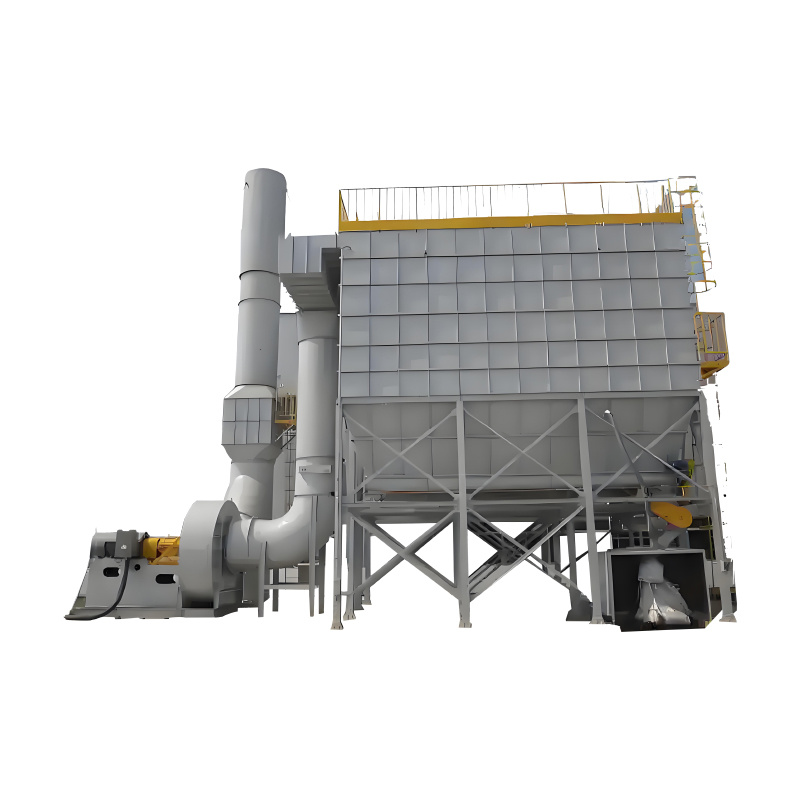
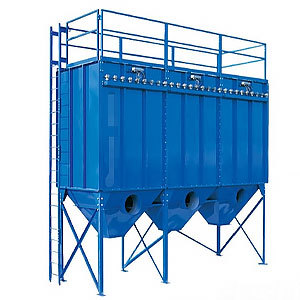
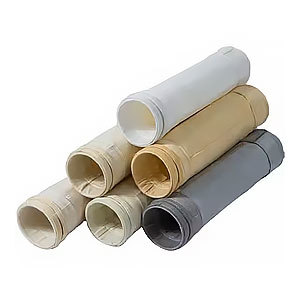
Baghouse filter bags are a critical component of industrial air filtration systems, specifically designed to capture airborne particles, dust, and contaminants generated during various manufacturing processes. These bags function within a baghouse system, which uses a series of filter bags to separate particulates from the air stream, ensuring cleaner emissions and improved air quality in the workplace. The efficiency of baghouse filter bags is vital for compliance with environmental regulations and for maintaining a safe working environment.
Importance of Baghouse Filter Bags in Air Quality Management
Maintaining air quality in industrial settings is crucial for both employee health and environmental compliance. Baghouse filter bags play a significant role in this aspect. By effectively trapping fine particles, these bags help prevent dust and pollutants from entering the atmosphere. This not only protects the environment but also reduces the risk of respiratory issues among workers. Additionally, effective filtration systems can lead to enhanced operational efficiency, as cleaner air improves equipment lifespan and reduces maintenance costs.
Key Features to Consider When Choosing Baghouse Filter Bags
When selecting baghouse filter bags, several critical features should be evaluated to ensure optimal performance and longevity.
Material Types
Baghouse filter bags can be made from various materials, each with its own set of benefits. Common materials include:
- Polyester: Known for its durability and cost-effectiveness, polyester is suitable for general-purpose filtration.
- PPS (Polyphenylene Sulfide): This material is excellent for high-temperature applications and offers superior chemical resistance.
- PTEF (Polytetrafluoroethylene): Renowned for its non-stick properties, PTEF is ideal for sticky or difficult-to-filter substances.
Bag Designs and Configurations
Baghouse filter bags come in various designs, including:
- Flat Bags: Best for simple filtration applications.
- Round Bags: Commonly used in cylindrical baghouses, offering high surface area for filtration.
- Specialty Bags: Designed for specific applications, including high dust loading or high-temperature environments.
Filtration Efficiency
Filtration efficiency is a crucial factor when choosing baghouse filter bags. This is often measured by the bag's dust cake formation and the initial pressure drop. A high-efficiency bag will minimize air resistance while capturing maximum particulates, leading to lower operational costs and improved air quality.
Maintenance and Care for Baghouse Filter Bags
Proper maintenance is essential to ensure the longevity and efficiency of baghouse filter bags. Here are some best practices:
- Regular Inspection: Periodic checks for wear and tear can prevent costly downtime and ensure optimal performance.
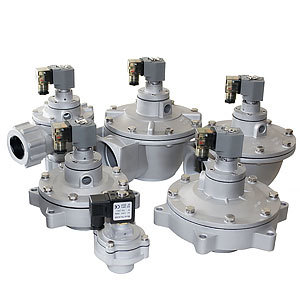
- Cleaning Procedures: Utilizing methods such as pulse jet cleaning can help maintain bag efficiency by dislodging accumulated dust.
- Replacement Schedule: Establishing a replacement schedule based on operational conditions can help maintain air quality standards.
Common Issues and Solutions for Baghouse Filter Bags
Even the best baghouse filter bags may encounter issues over time. Here are some common problems and their solutions:
- Bag Breakage: Caused by excessive pressure or improper handling. Solution: Ensure proper installation and regular monitoring of pressure levels.
- Dust Bypassing: Occurs when bags are clogged or damaged. Solution: Regularly replace worn or damaged bags and ensure cleaning systems are functioning correctly.
- High Differential Pressure: Indicates potential clogging. Solution: Conduct regular maintenance and cleaning to keep airflow optimal.
Cost Considerations for Baghouse Filter Bags
The cost of baghouse filter bags can vary significantly based on material, design, and manufacturer. It’s crucial to balance quality with cost-effectiveness. Investing in high-quality bags can lead to lower replacement frequency and reduced energy costs due to improved airflow. When budgeting for baghouse filter bags, consider:
- Initial Purchase Cost: The upfront cost of the bags.
- Operational Costs: Costs associated with energy consumption and maintenance.
- Replacement Frequency: Longer-lasting bags can lead to overall savings.
Frequently Asked Questions
1. How often should baghouse filter bags be replaced?
Replacement frequency depends on several factors, including usage, type of particles filtered, and operating conditions. Generally, bags should be inspected every few months and replaced annually or biannually as needed.
2. Can baghouse filter bags be washed and reused?
Some bags can be cleaned and reused, but this depends on the materials used. However, washing can sometimes reduce their efficiency, so replacements are often recommended.
3. What factors influence the lifespan of baghouse filter bags?
Lifespan is influenced by the type of material, operating conditions (such as temperature and humidity), and the amount of dust or particles being filtered.
4. How do I know which material is best for my application?
The best material for your application depends on the specific contaminants you’re dealing with, the temperature of the environment, and any chemical exposures. Consulting with a filtration expert can help you make the right choice.
5. Are there eco-friendly options for baghouse filter bags?
Yes, some manufacturers offer bags made from recycled materials or those designed for improved sustainability while maintaining high filtration efficiency.
Conclusion
Understanding the nuances of baghouse filter bags is essential for new buyers aiming to enhance air quality in their industrial operations. By considering the various materials, designs, and maintenance practices, you can make informed decisions that lead to improved efficiency, compliance, and worker safety. Investing in quality baghouse filter bags not only benefits your operation but also contributes to a cleaner environment.
Hot Tags:
PREVIOUS:


Contact Us
Tel:
WeChat:
WhatsApp:
E-mail:
Address:
338 National Road South, Longfengdian Village, Botou City, Hebei Province, China
JiuznTomine is expertly delivering technically complicated projects in markets & provides custom solutions for their customized need.


CONTACT INFO
Tel: +86 18531710311
WeChat: +86-18531710311
338 National Road South, Longfengdian Village, Botou City, Hebei Province, China