


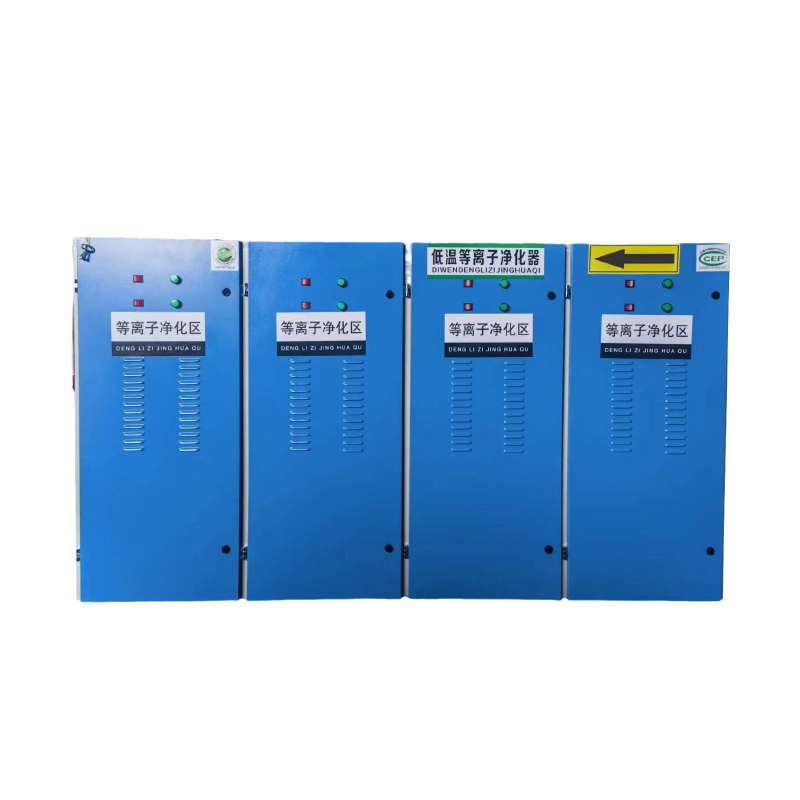










Understanding the Importance of Customized Baghouse Dust Collection in Industrial Settings
Jul 28,2025
Understanding the Importance of Customized Baghouse Dust Collection in Industrial Settings
Table of Contents
1. Introduction to Baghouse Dust Collection Systems
2. The Importance of Dust Collection in Industrial Environments
3. Why Customized Solutions Matter
4. Key Components of Baghouse Dust Collection Systems
5. Benefits of Implementing Customized Baghouse Systems
6. Co

Understanding the Importance of Customized Baghouse Dust Collection in Industrial Settings
Table of Contents
- 1. Introduction to Baghouse Dust Collection Systems
- 2. The Importance of Dust Collection in Industrial Environments
- 3. Why Customized Solutions Matter
- 4. Key Components of Baghouse Dust Collection Systems
- 5. Benefits of Implementing Customized Baghouse Systems
- 6. Compliance with Environmental Regulations
- 7. Maintenance Considerations for Baghouse Systems
- 8. Frequently Asked Questions (FAQs)
- 9. Conclusion
1. Introduction to Baghouse Dust Collection Systems
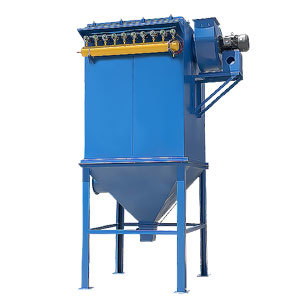
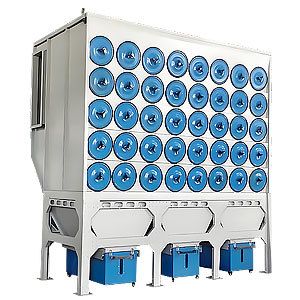
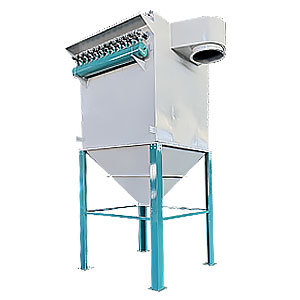
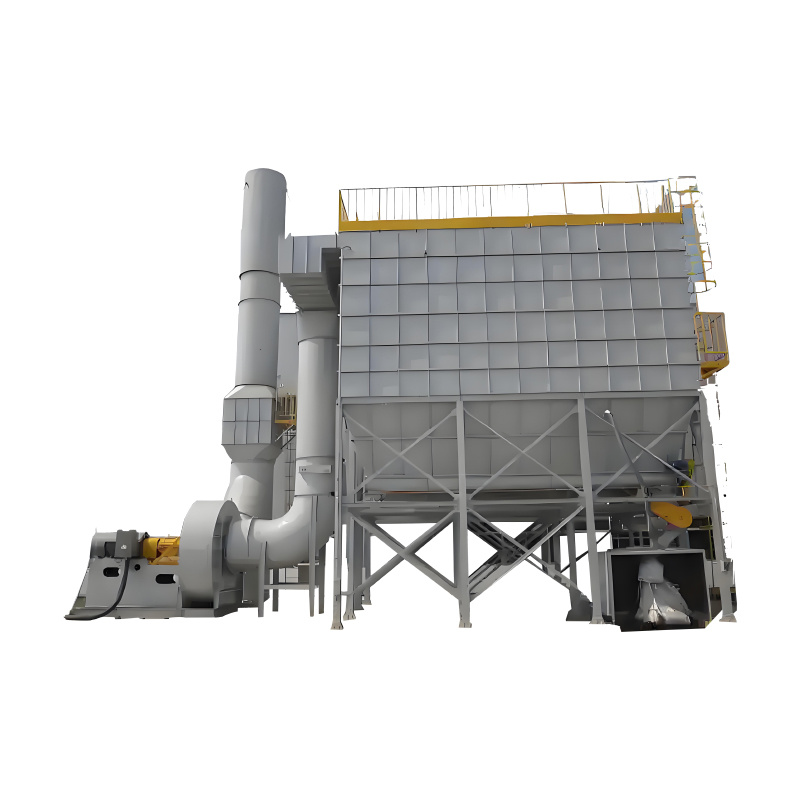
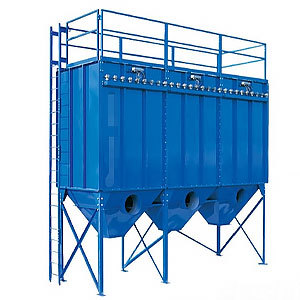
In industrial settings, the management of airborne particulates is not just a matter of compliance but a crucial aspect of operational efficiency and worker safety. **Baghouse dust collection systems** are designed to capture and filter dust particles generated by various processes. These systems utilize a series of fabric filter bags to trap dust while allowing clean air to be released back into the environment.
The customization of these systems ensures they are tailored to the specific dust characteristics and operational requirements of a facility, making them indispensable in a wide range of industries, such as manufacturing, pharmaceuticals, and food processing.
2. The Importance of Dust Collection in Industrial Environments
Dust accumulation in industrial environments can lead to several serious issues, including:
- **Health Hazards**: Inhalation of dust particles can cause respiratory issues, allergies, and other health concerns for workers.
- **Fire and Explosion Risks**: Certain dust types are combustible and can lead to dangerous explosions if not adequately managed.
- **Equipment Damage**: Dust buildup can damage machinery and equipment, leading to costly repairs and downtime.
- **Regulatory Compliance**: Industries are subject to strict air quality regulations. Non-compliance can result in hefty fines and sanctions.
By implementing an efficient dust collection system, businesses can mitigate these risks while enhancing productivity and worker morale.
3. Why Customized Solutions Matter
The unique nature of different industrial processes means that a one-size-fits-all approach often falls short. Customized baghouse dust collection systems are essential for several reasons:
- **Specificity**: Customized systems account for the type of dust being collected, the volume produced, and the specific environmental conditions present in the facility.
- **Efficiency**: Tailored solutions can optimize airflow, pressure drop, and filtration efficiency, thereby improving overall performance.
- **Space Optimization**: Custom systems can be designed to fit available space, making them ideal for facilities with limited room for bulky equipment.
- **Flexible Design**: As production processes change, a customized baghouse can adapt to new requirements without the need for a complete overhaul.
4. Key Components of Baghouse Dust Collection Systems
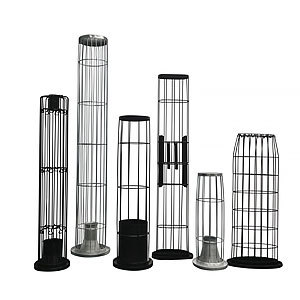
A typical baghouse dust collection system consists of several key components, each playing a critical role in its operation:
4.1 Filter Bags
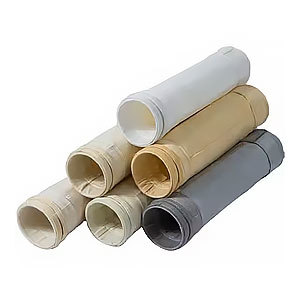
Filter bags are the heart of any baghouse system. They come in various materials and sizes, depending on the specific dust type and collection requirements. Common materials include polyester, acrylic, and fiberglass, each offering different levels of filtration efficiency and durability.
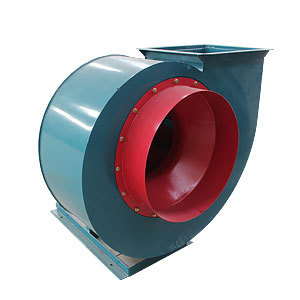
4.2 Fan and Blower Systems
Fans and blowers create the airflow necessary to transport dust-laden air into the baghouse. The design must ensure sufficient airflow and maintain optimal pressure to enhance filtration efficiency.
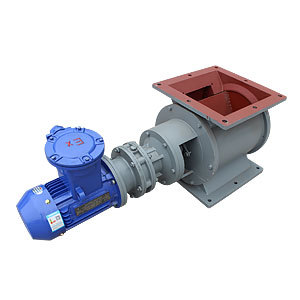
4.3 Hopper
The hopper collects the dust that has been filtered out, allowing for easy disposal or recycling of materials. The design of the hopper affects how well dust can be discharged and may include features like vibratory motors for efficient flow.
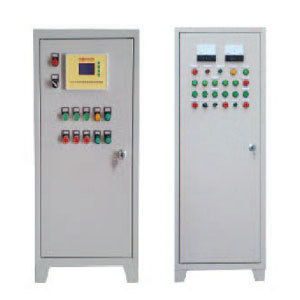
4.4 Control Systems
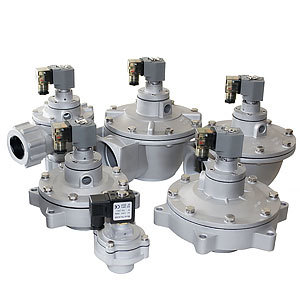
Advanced control systems monitor and manage the performance of baghouse systems, adjusting airflow and filter cleaning schedules based on real-time data.
5. Benefits of Implementing Customized Baghouse Systems
Implementing a customized baghouse dust collection system offers numerous advantages for industrial operations:
- **Enhanced Air Quality**: Improved filtration leads to cleaner air, promoting a healthier workplace.
- **Lower Operational Costs**: Efficient systems reduce energy consumption and maintenance costs, leading to significant savings over time.
- **Increased Production Efficiency**: Cleaner environments allow machinery to operate better, minimizing downtime and enhancing productivity.
- **Regulatory Compliance**: Customized systems are designed to meet or exceed environmental regulations, helping businesses avoid fines and legal issues.
6. Compliance with Environmental Regulations
Different industries are governed by various environmental regulations related to air quality. Customized baghouse systems are vital for compliance, as they are designed to meet specific legal requirements. Understanding and implementing these standards not only protects the environment but also enhances the company’s reputation and credibility in the market.
7. Maintenance Considerations for Baghouse Systems
To ensure optimal performance and longevity of a baghouse dust collection system, regular maintenance is essential. Key maintenance practices include:
- **Routine Inspections**: Regular checks of filter bags, fans, and structural integrity can prevent costly repairs.
- **Filter Bag Replacement**: Over time, filter bags become worn and less effective. Establishing a replacement schedule based on usage can maintain efficiency.
- **Dust Disposal**: Efficiently managing the collected dust ensures smooth operation and compliance with disposal regulations.
8. Frequently Asked Questions (FAQs)
8.1 What types of industries benefit from baghouse dust collection systems?
Baghouse systems are utilized in various industries, including manufacturing, agriculture, pharmaceuticals, and woodworking.
8.2 How do I determine the right baghouse system for my facility?
A thorough assessment of your dust characteristics, volume, and operational needs, along with consulting with experts, will help you choose the right system.
8.3 How often should I replace filter bags?
The frequency depends on the type of dust collected and the operational hours, but typically, filter bags should be inspected every few months and replaced as needed.
8.4 Can a baghouse system be retrofitted to an existing operation?
Yes, many baghouse systems can be customized and retrofitted to integrate into existing operations without significant modifications.
8.5 What are the signs that my baghouse system needs maintenance?
Signs include decreased airflow, increased pressure drop, unscheduled downtime, or visible dust emissions.
9. Conclusion
Customized baghouse dust collection systems play a pivotal role in ensuring a cleaner, safer, and more efficient industrial environment. By addressing specific dust challenges and regulatory requirements, these tailored solutions not only enhance air quality but also protect the health of workers and the environment. As industries evolve, investing in customized baghouse systems will continue to be paramount for maintaining operational excellence and compliance in an ever-changing landscape.
Hot Tags:


Contact Us
Tel:
WeChat:
WhatsApp:
E-mail:
Address:
338 National Road South, Longfengdian Village, Botou City, Hebei Province, China
JiuznTomine is expertly delivering technically complicated projects in markets & provides custom solutions for their customized need.


CONTACT INFO
Tel: +86 18531710311
WeChat: +86-18531710311
338 National Road South, Longfengdian Village, Botou City, Hebei Province, China