












The Key Features of an Effective Customized Baghouse Dust Collection System
Jun 28,2025
The Key Features of an Effective Customized Baghouse Dust Collection System
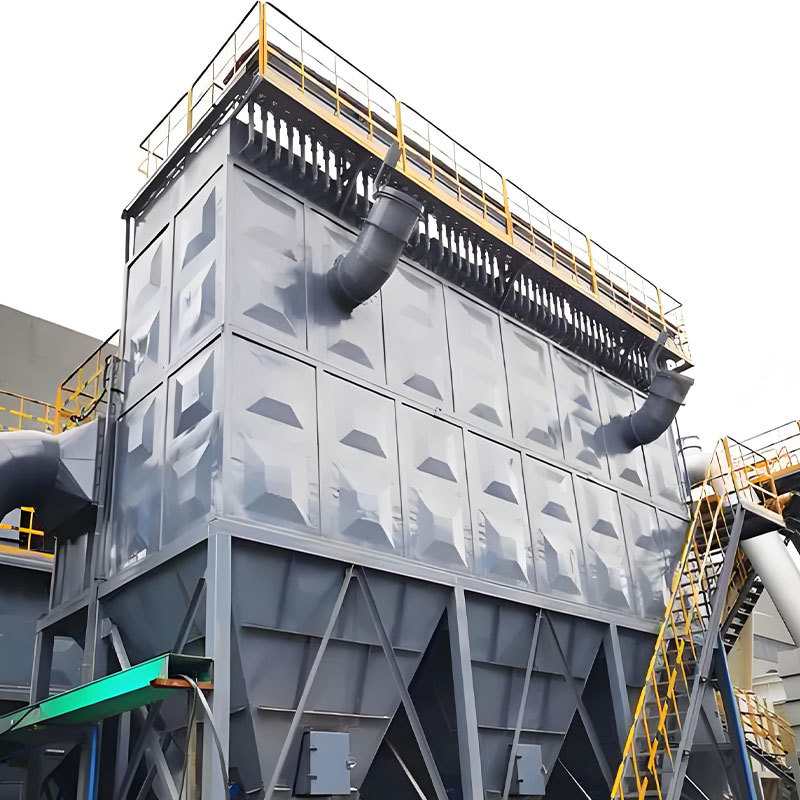
In industrial settings where dust and particulate matter are prevalent, an efficient dust collection system is crucial for maintaining air quality and adhering to environmental regulations. Among the various options available, the **customized baghouse dust collection system** stands out for its adaptability and effectiveness. In this article, we explore the key features that make a baghouse system effective and tailored to the specific needs of each facility.
Understanding Baghouse Dust Collection Systems
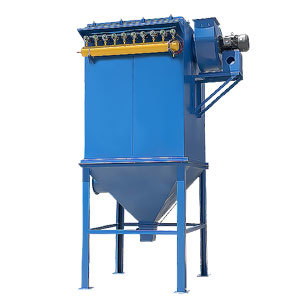
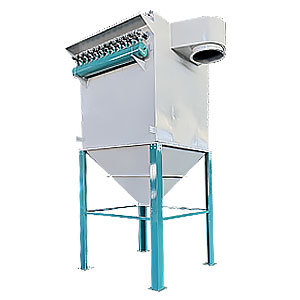
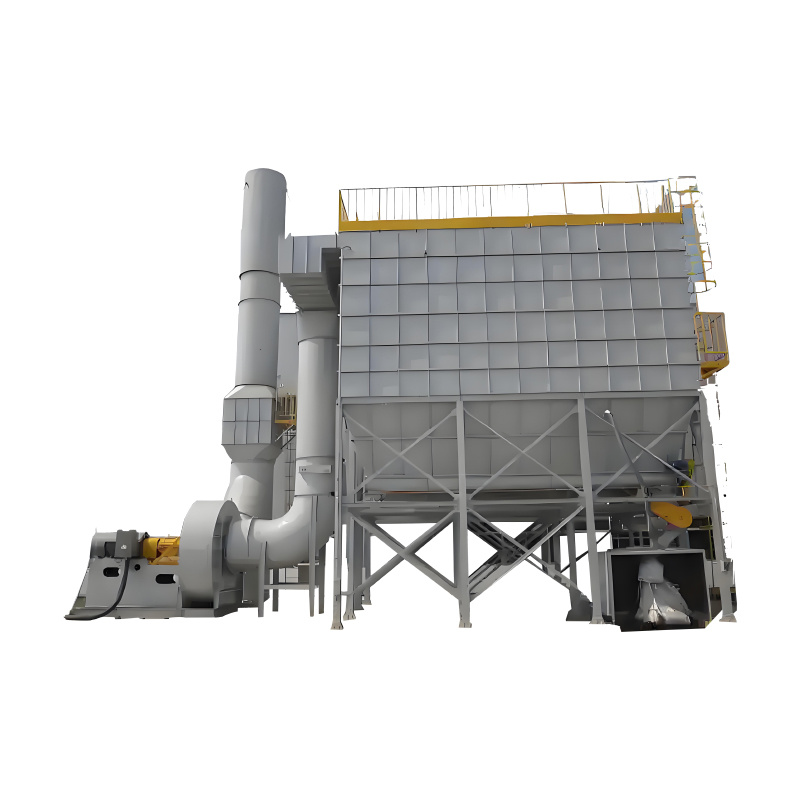
A baghouse dust collection system operates by using fabric filters to capture dust and particles from the air. Unlike traditional dust collectors, baghouses offer enhanced filtration capabilities, making them ideal for environments with high dust loads. By understanding the fundamental components and functions of a baghouse, plant managers can make informed decisions when selecting and implementing this technology.
How Baghouse Systems Work
Baghouse systems function through a series of steps: air is drawn through the filters, capturing particles on the surface before clean air is released. The filtration process is enhanced with periodic cleaning cycles that remove accumulated dust from the bags, ensuring sustained performance.
Benefits of a Customized Approach
Every industrial operation generates dust differently, necessitating a tailored approach to dust collection. A customized baghouse system addresses specific challenges and requirements, resulting in improved efficiency and effectiveness. Key benefits of a customized solution include:
- Optimized Performance: Tailoring the system's design and components to fit the application ensures maximum capture rates.
- Regulatory Compliance: Meeting local and national air quality standards is easier with a system designed for specific emissions.
- Cost-Effectiveness: Customized systems reduce waste and maintenance costs by providing exactly what is required.
Key Features of an Effective Customized Baghouse Dust Collection System
1. Versatile Design and Configuration
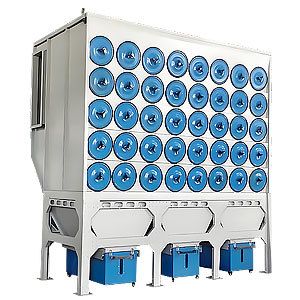
One of the most compelling features of a customized baghouse dust collection system is its versatility in design. Depending on the unique requirements of a facility, baghouses can be configured in various styles, including:
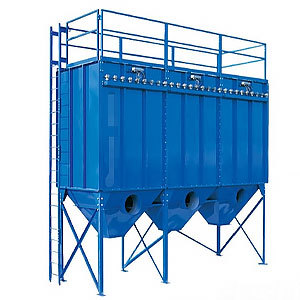
- Modular Systems: These systems can be expanded or reconfigured as production changes, offering flexibility over time.
- Side-Load vs. Top-Load Configurations: The choice between these configurations impacts space utilization and maintenance access.
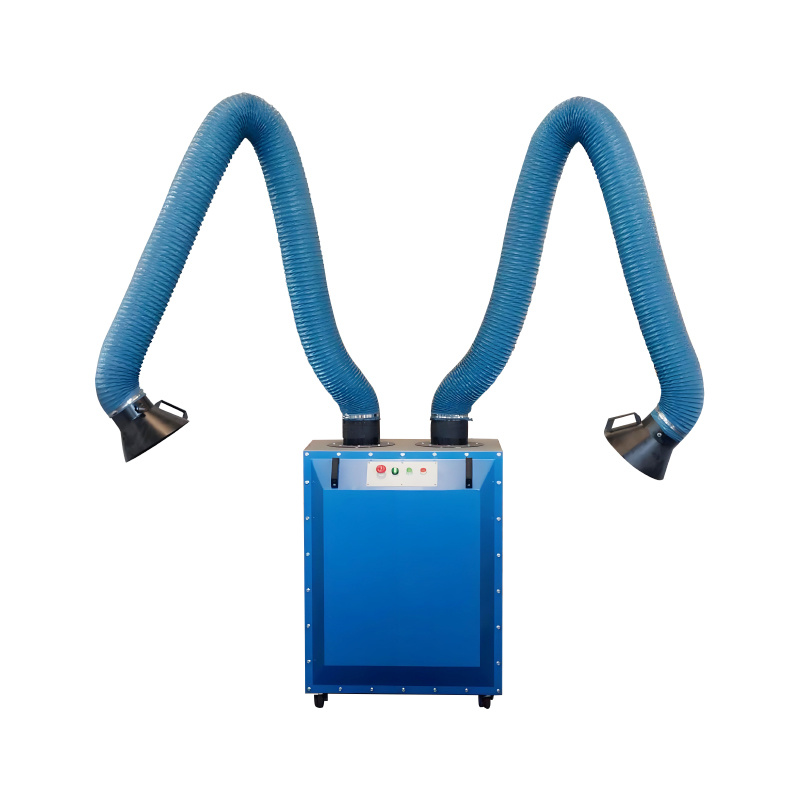
- Portable Systems: Ideal for applications where mobility is essential, allowing for easy repositioning as needed.
2. High-Efficiency Filter Media
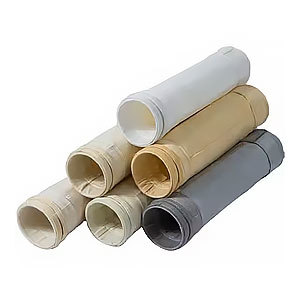
The choice of filter media significantly influences a baghouse's performance. Effective baghouse systems utilize high-efficiency filter materials that provide:
- Superior Dust Capture: Advanced filter media captures ultra-fine particles, ensuring cleaner air is released into the environment.
- Extended Filter Life: Durable and resistant materials lead to longer-lasting filters, reducing replacement costs.
- Different Filtration Grades: Customizable filtration options allow facilities to select the right filters based on specific particulate sizes.
3. Advanced Cleaning Mechanisms
Regular maintenance is essential for the longevity and efficiency of a baghouse dust collection system. Advanced cleaning mechanisms include:
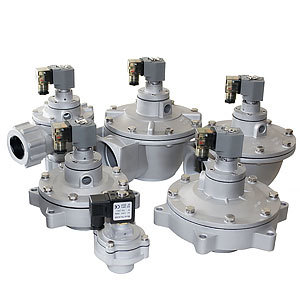
- Pulse Jet Cleaning: Utilizes bursts of compressed air to dislodge collected dust from filter bags, ensuring optimal airflow.
- Shaker Cleaning: Involves mechanically shaking the bags to remove dust, suitable for certain types of particulate matter.
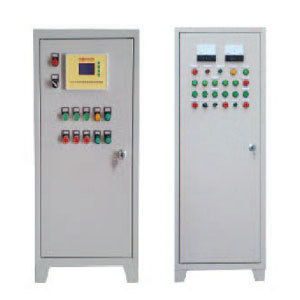
- Automatic Cleaning Control: Systems with automatic controls optimize cleaning cycles based on pressure differentials, enhancing efficiency.
4. Comprehensive Monitoring and Control Systems
Modern baghouse systems incorporate advanced monitoring technologies that provide real-time data on system performance. These features include:
- Emission Monitoring: Continuous tracking of emissions ensures compliance with environmental regulations.
- Pressure Differential Sensors: Monitoring pressure differentials helps assess filter performance and predict maintenance needs.
- Remote Access Capabilities: Operators can monitor and control systems from remote locations, enhancing operational efficiency.
5. Customizable Exhaust Options
The ability to tailor exhaust configurations is critical for effective dust management. Options include:
- Multiple Exhaust Points: Distributing exhaust points can help optimize airflow and reduce pressure loss.
- Heated Exhausts: Ideal for specific environments where temperature control is necessary for optimal dust capture.
- Energy Recovery Systems: Implementing energy recovery from exhaust air can improve overall energy efficiency.
6. Durability and Build Quality
Since baghouse systems operate in demanding environments, their durability is paramount. High-quality construction materials and robust engineering can result in:
- Resistance to Corrosion: Materials that withstand the corrosive effects of certain dusts and chemicals extend the system’s life.
- Structural Integrity: Well-designed structures can handle significant dust loads and fluctuating pressures without compromising performance.
- Low Maintenance Needs: Sturdy construction reduces the frequency and cost of maintenance interventions.
7. Compliance with Environmental Regulations
Customized baghouse systems are designed to meet or exceed environmental standards. Features that facilitate compliance include:
- Low Emission Technologies: Systems can be equipped with additional filtration technologies to minimize emissions further.
- Documentation and Reporting Tools: Integrated systems can automatically generate compliance reports for regulatory bodies.
- Adaptability to Changing Regulations: Their customizable nature allows for adjustments as regulations evolve.
8. Cost-Effectiveness Over Time
While the initial investment in a customized baghouse system may be higher compared to standard solutions, the long-term benefits make it a cost-effective choice. These benefits include:
- Lower Energy Costs: Efficient systems require less energy to operate, resulting in lower utility bills.
- Minimized Downtime: Tailored systems reduce the frequency of maintenance and repairs, leading to increased productivity.
- Enhanced Safety Compliance: Reducing dust levels improves workplace safety, potentially lowering insurance premiums.
Conclusion
In summary, an effective customized baghouse dust collection system incorporates various key features that enhance its performance, adaptability, and compliance with environmental regulations. By understanding the importance of design flexibility, filter efficiency, and advanced monitoring technologies, organizations can make informed decisions that lead to improved air quality and operational efficiency. Investing in a tailored baghouse system not only meets immediate dust management challenges but also sets the foundation for sustainable practices in the long run.
FAQs
1. What is the primary function of a baghouse dust collection system?
The primary function is to capture dust and particulate matter from the air in industrial settings, ensuring cleaner air and compliance with environmental regulations.
2. How often should the filters in a baghouse system be replaced?
Filter replacement frequency depends on factors such as dust load, filter material, and cleaning efficacy but typically ranges from 1 to 3 years.
3. Can a baghouse system be customized for different industries?
Yes, baghouse systems are highly customizable, making them suitable for various industries, including manufacturing, food processing, and pharmaceuticals.
4. What maintenance is required for a baghouse dust collection system?
Regular maintenance includes inspecting filters, checking monitoring equipment, and cleaning or replacing filters as needed to ensure optimal performance.
5. Are there any safety benefits to using a baghouse dust collection system?
Yes, by effectively reducing airborne dust, a baghouse system enhances workplace safety, reducing risks of respiratory issues and accidents related to dust explosions.
Hot Tags:


Contact Us
Tel:
WeChat:
WhatsApp:
E-mail:
Address:
338 National Road South, Longfengdian Village, Botou City, Hebei Province, China
JiuznTomine is expertly delivering technically complicated projects in markets & provides custom solutions for their customized need.


CONTACT INFO
Tel: +86 18531710311
WeChat: +86-18531710311
338 National Road South, Longfengdian Village, Botou City, Hebei Province, China