











The Ultimate Guide to Choosing a Durable Baghouse Dust Collector
May 19,2025
The Ultimate Guide to Choosing a Durable Baghouse Dust Collector
Table of Contents
1. Understanding Baghouse Dust Collectors
2. Importance of Choosing the Right Baghouse Dust Collector
3. Key Components of Baghouse Dust Collectors
3.1 Filter Bags
3.2 Dust Collection System
3.3 Clean Air Exhaust
4. Factors to Consider When Choosing a Baghouse Dust Collector
4.1 Material Compatibil
The Ultimate Guide to Choosing a Durable Baghouse Dust Collector
Table of Contents
1. Understanding Baghouse Dust Collectors
2. Importance of Choosing the Right Baghouse Dust Collector
3. Key Components of Baghouse Dust Collectors
3.1 Filter Bags
3.2 Dust Collection System
3.3 Clean Air Exhaust
4. Factors to Consider When Choosing a Baghouse Dust Collector
4.1 Material Compatibility
4.2 Airflow Requirements
4.3 Maintenance and Accessibility
4.4 Noise Level
4.5 Cost and Budget
5. Different Types of Baghouse Dust Collectors
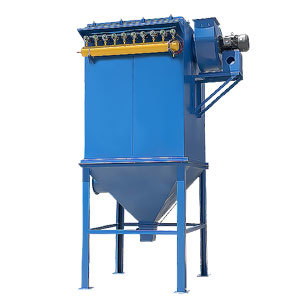
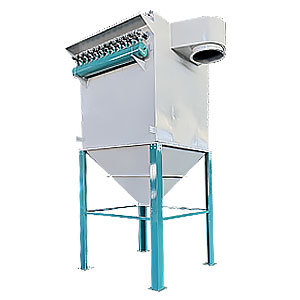
5.1 Pulse Jet Baghouse Collectors
5.2 Reverse Air Baghouse Collectors
5.3 Shaker Baghouse Collectors
6. Compliance with Industry Standards
7. Best Practices for Installation and Maintenance
8. Frequently Asked Questions (FAQs)
9. Conclusion
1. Understanding Baghouse Dust Collectors
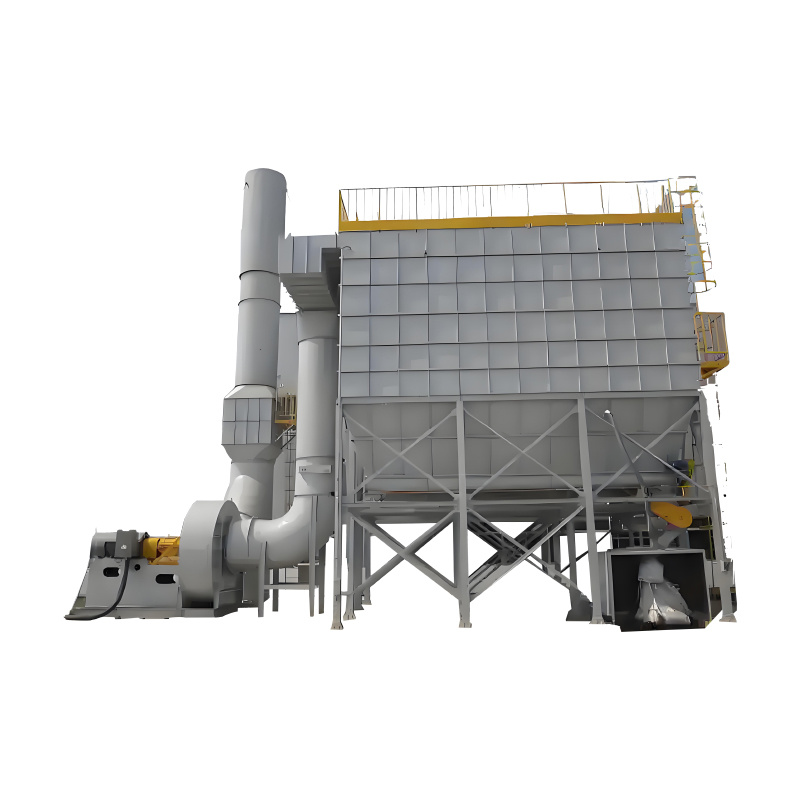
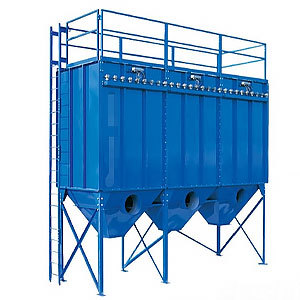
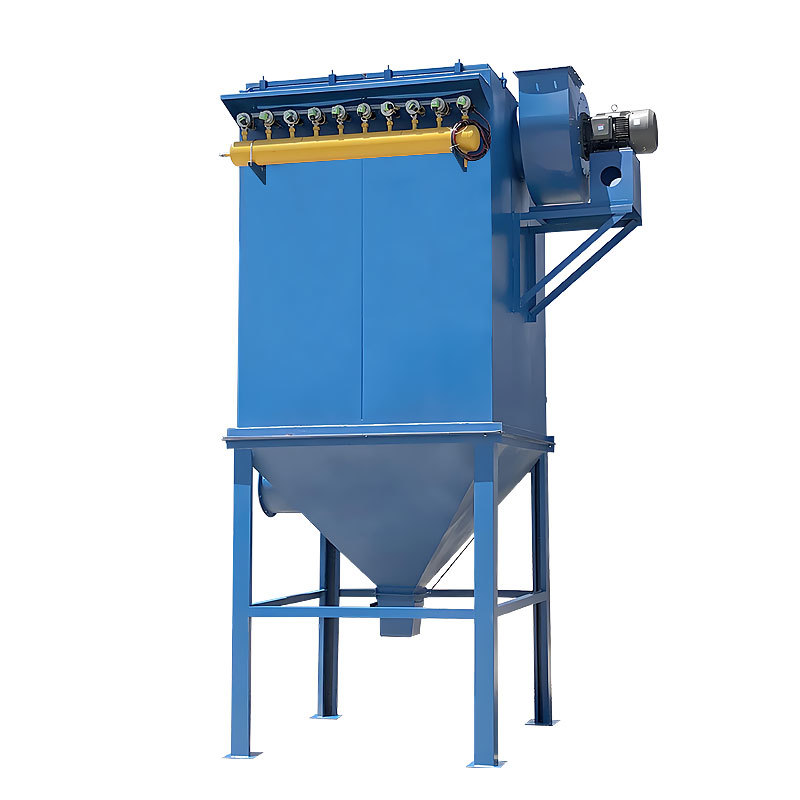
Baghouse dust collectors serve as crucial equipment in various industries, including manufacturing, woodworking, and food processing. These systems are designed to filter out dust particles from the air, ensuring a cleaner work environment and compliance with environmental regulations. By utilizing filter bags, baghouse collectors can efficiently capture dust and other airborne contaminants. This guide explores the various aspects of choosing a durable baghouse dust collector that meets your specific needs.
2. Importance of Choosing the Right Baghouse Dust Collector
Selecting the appropriate baghouse dust collector is essential for maintaining operational efficiency and ensuring worker safety. A suitable collector reduces downtime, lowers maintenance costs, and enhances air quality. Furthermore, the right choice can improve system performance and prolong the lifespan of the equipment, thus protecting your investment.
3. Key Components of Baghouse Dust Collectors
To make an informed decision, it's important to understand the fundamental components of baghouse dust collectors.
3.1 Filter Bags
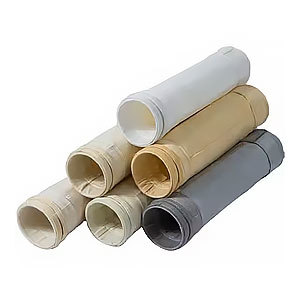
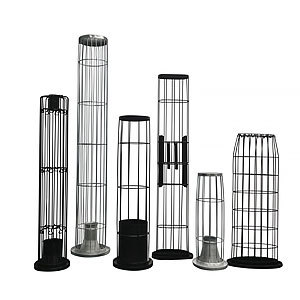
The filter bags are the heart of the baghouse dust collector. They are designed to capture dust particles effectively. The material, size, and configuration of the filter bags significantly impact the efficiency of the dust collection process.
3.2 Dust Collection System
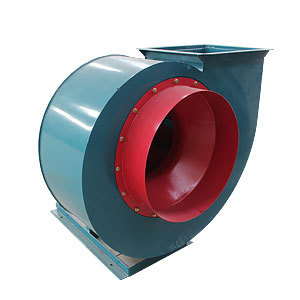
The dust collection system includes various parts, such as ductwork, hoppers, and fans, which work together to transport and collect dust. The design and layout of this system affect the overall performance of the collector.
3.3 Clean Air Exhaust
Once the dust has been collected, the clean air exhaust system ensures that purified air is released back into the environment. Understanding the exhaust requirements and options available is crucial for compliance and efficiency.
4. Factors to Consider When Choosing a Baghouse Dust Collector
When selecting a baghouse dust collector, various factors must be taken into account.
4.1 Material Compatibility
Ensure that the materials used in the collector are compatible with the types of dust you will be collecting. Different materials can withstand varying temperatures and chemical exposures, affecting their durability and performance.
4.2 Airflow Requirements
Understanding the airflow requirements of your operations is crucial. The baghouse dust collector must be capable of managing the volume of air efficiently to ensure optimal performance.
4.3 Maintenance and Accessibility
Maintenance is a key factor in the longevity of your baghouse dust collector. Choose a model that offers easy access to filter bags and other components for cleaning and replacement.
4.4 Noise Level
Consider the noise level produced by the dust collector. Some operations may have strict guidelines regarding permissible noise levels, making this an important consideration when choosing your equipment.
4.5 Cost and Budget
Establish a budget that considers both the initial investment and the long-term operational costs. While it may be tempting to choose a lower-priced option, investing in a durable and efficient collector will lead to savings on maintenance and replacements in the long run.
5. Different Types of Baghouse Dust Collectors
There are several types of baghouse dust collectors, each designed to serve specific applications and needs.
5.1 Pulse Jet Baghouse Collectors
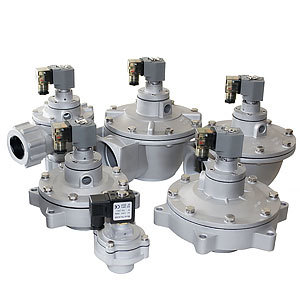
Pulse jet collectors utilize a burst of compressed air to clean filter bags, making them highly efficient for continuous operations.
5.2 Reverse Air Baghouse Collectors
These collectors use a reverse airflow to clean the filter bags. They are well-suited for applications with larger dust particles.
5.3 Shaker Baghouse Collectors
Shaker collectors use mechanical shaking to remove dust from filter bags. They are typically used in batch operations, where dust collection occurs intermittently.
6. Compliance with Industry Standards
Understanding the regulatory landscape is critical. Ensure that your selected baghouse dust collector complies with local and national regulations regarding air quality and emissions. Familiarize yourself with the specific standards applicable to your industry to avoid costly fines and ensure environmental responsibility.
7. Best Practices for Installation and Maintenance
Proper installation and regular maintenance are vital for the optimal performance of your baghouse dust collector.
1. **Professional Installation**: Always consult with professionals for the installation of your dust collector to ensure it meets local codes and functions properly.
2. **Regular Maintenance Schedule**: Establish a routine maintenance schedule that includes cleaning, inspecting filters, and checking the entire system to ensure it’s functioning optimally.
3. **Training for Operators**: Provide training for operators on the proper use and maintenance of the dust collector to minimize risks and prolong the equipment's lifespan.
8. Frequently Asked Questions (FAQs)
Q1: What is a baghouse dust collector?
A1: A baghouse dust collector is an air pollution control device that uses filter bags to capture and collect dust particles from the air generated during manufacturing processes.
Q2: How often should I replace the filter bags?
A2: The frequency of filter bag replacement depends on several factors, including the type of dust collected, the volume of air processed, and the operating conditions. Generally, they should be inspected regularly and replaced when they show signs of wear or reduced efficiency.
Q3: Can a baghouse dust collector help with compliance?
A3: Yes, a properly designed and maintained baghouse dust collector can help ensure compliance with air quality regulations and reduce emissions from industrial processes.
Q4: Is installation of a baghouse dust collector complicated?
A4: Installation can be complex and often requires professional assistance to ensure it meets all operational and regulatory requirements.
Q5: What is the average lifespan of a baghouse dust collector?
A5: The lifespan varies based on usage, maintenance, and quality of the system, but typically ranges from 10 to 20 years with proper care.
9. Conclusion
Choosing a durable baghouse dust collector is a critical decision that can significantly impact your operational efficiency, compliance status, and overall air quality in your facility. By understanding the key components, considering various factors, and adhering to best practices, you can select a system that not only meets your current needs but is also adaptable for future growth. Prioritize quality, maintenance, and operator training to ensure that your investment in a baghouse dust collector pays off in the long run. With the right equipment in place, you can maintain a clean and safe working environment while enhancing productivity and protecting your investment.
Hot Tags:
PREVIOUS:


Contact Us
Tel:
WeChat:
WhatsApp:
E-mail:
Address:
338 National Road South, Longfengdian Village, Botou City, Hebei Province, China
JiuznTomine is expertly delivering technically complicated projects in markets & provides custom solutions for their customized need.


CONTACT INFO
Tel: +86 18531710311
WeChat: +86-18531710311
338 National Road South, Longfengdian Village, Botou City, Hebei Province, China