











The Cost-Benefit Analysis of Investing in Baghouse Filter Bags: An In-Depth Exploration
Dec 21,2024
The Cost-Benefit Analysis of Investing in Baghouse Filter Bags
Introduction to Baghouse Filter Bags
Baghouse filter bags play a crucial role in the air purification systems of many industrial processes. As air pollution regulations tighten and operational efficiencies become paramount, understanding the cost-benefit ratio of investing in high-quality baghouse filter bags is essential for facility
The Cost-Benefit Analysis of Investing in Baghouse Filter Bags
Introduction to Baghouse Filter Bags
Baghouse filter bags play a crucial role in the air purification systems of many industrial processes. As air pollution regulations tighten and operational efficiencies become paramount, understanding the cost-benefit ratio of investing in high-quality baghouse filter bags is essential for facility managers and decision-makers. This article delves into the critical aspects of baghouse filter bags, their significance in air filtration, and how they can impact your bottom line.
What Are Baghouse Filter Bags?
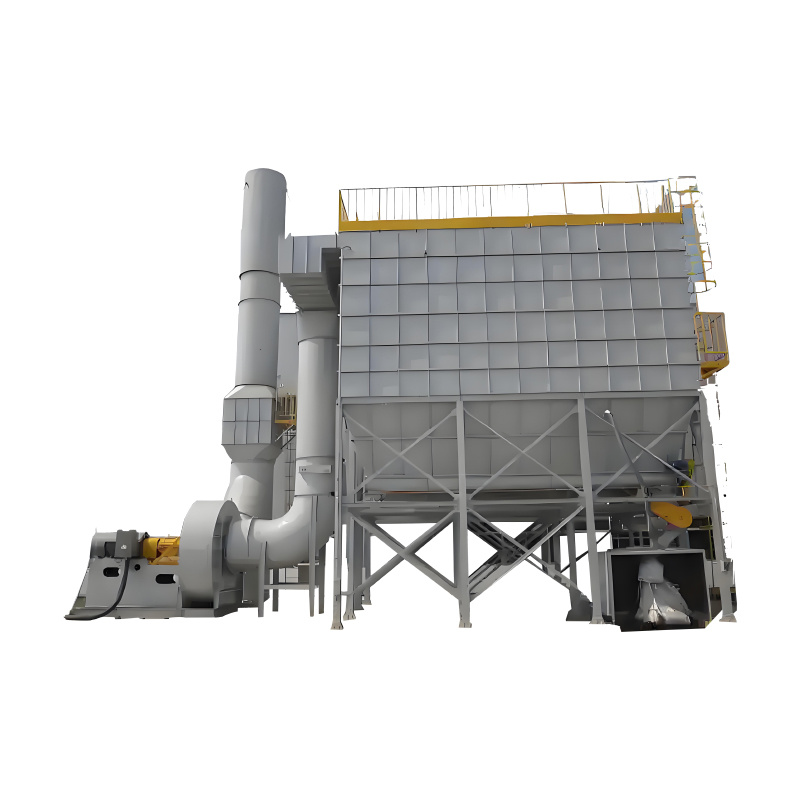
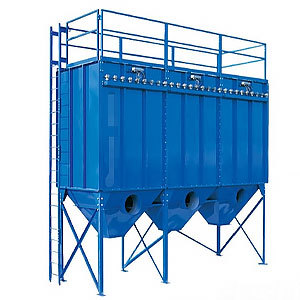
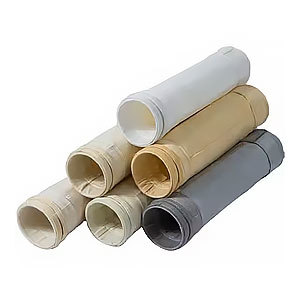
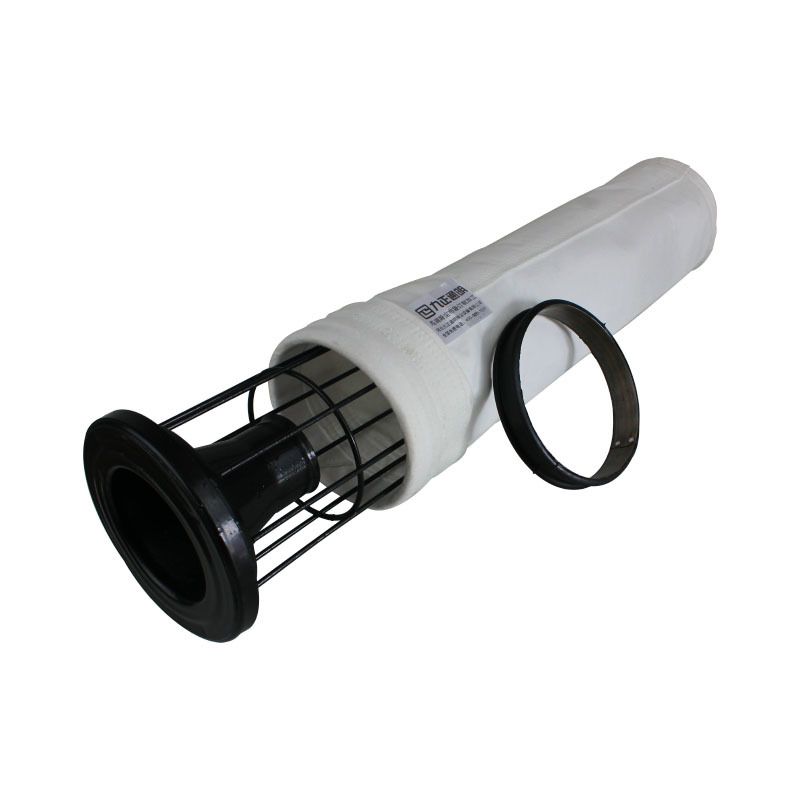
Baghouse filter bags are specialized fabric filters used in baghouse dust collectors to capture airborne particles, ensuring clean air is released into the atmosphere. These filters are typically made from various materials, including polyester, polypropylene, and fiberglass, each tailored to meet specific industrial requirements. The choice of material significantly influences the efficiency, lifespan, and operational costs of the filtration system.
The Importance of Baghouse Filter Bags in Air Purification
In industries such as manufacturing, pharmaceuticals, and food processing, maintaining air quality is not just a regulatory requirement but also essential for operational efficiency. Baghouse filter bags effectively remove particulate matter, including dust and other contaminants, from the air. This process not only protects the health of employees but also enhances product quality and operational reliability.
Evaluating the Costs of Baghouse Filter Bags
When considering an investment in baghouse filter bags, it's important to conduct a thorough cost analysis. This analysis should encompass both the initial purchase price and the long-term operational costs.
Initial Purchase Costs
The initial costs associated with purchasing baghouse filter bags can vary widely based on:
- **Material Type**: Different materials come with varying price points. For instance, fiberglass filters typically cost more upfront but offer longer lifespans.
- **Filter Size and Specifications**: Custom-sized bags or those with specific filtration capabilities may also increase costs.
- **Supplier Pricing**: Different manufacturers may offer varying prices, so it’s important to obtain multiple quotes.
Operational Costs Over Time
In addition to initial costs, ongoing operational expenses greatly impact the total cost of ownership. Regular maintenance, replacement schedules, and energy consumption associated with the baghouse system all contribute to these expenses.
Maintenance and Replacement
Regular maintenance is essential to maximize the lifespan of baghouse filter bags. Neglecting maintenance can lead to increased wear and tear, necessitating more frequent replacements. Understanding the replacement cycle for specific bag types can help in forecasting long-term costs.
Energy Consumption and Efficiency
The efficiency of your baghouse system significantly affects its energy consumption. A well-maintained and efficient filtration system can lead to reduced energy costs, making it a critical factor in your cost-benefit analysis.
Benefits of Investing in High-Quality Baghouse Filter Bags
While the costs of baghouse filter bags can be substantial, the benefits often outweigh these initial investments. Here are several key advantages to consider:
Improved Air Quality and Compliance
Investing in high-quality baghouse filter bags ensures that your facility remains compliant with local and national air quality regulations. This not only protects employee health but also avoids costly fines associated with non-compliance.
Enhanced Operational Efficiency
Quality filter bags contribute to the overall efficiency of your air purification system. When air quality is maintained, production processes run smoother, and equipment experiences less strain, ultimately leading to lower maintenance costs and less downtime.
Cost Savings on Energy and Maintenance
High-quality filter bags often have longer lifespans and better filtration capabilities. This means they need to be replaced less frequently, reducing both replacement costs and waste. Additionally, efficient filtering can lower energy consumption, resulting in significant long-term savings.
Environmental Impact
Investing in effective baghouse filter bags contributes to a more sustainable operation by minimizing emissions and waste. Companies focusing on environmental responsibility often gain competitive advantages, such as better public perception and customer loyalty.
The Return on Investment (ROI) of Baghouse Filter Bags
Calculating the ROI of investing in baghouse filter bags involves comparing the costs of purchasing and maintaining the filters against the financial benefits accrued from improved air quality and operational efficiency. Considerations include:
Long-Term Cost Savings
The initial investment in high-quality baghouse filter bags may seem significant, but the long-term savings associated with reduced operational costs, maintenance, and energy consumption can make it a financially sound decision.
Increased Productivity
With cleaner air and fewer disruptions caused by equipment failures, facilities often experience increased productivity. This boost can translate into higher revenue, further enhancing ROI.
Choosing the Right Baghouse Filter Bags
Selecting the appropriate baghouse filter bags is crucial for maximizing benefits and minimizing costs. Here are some factors to consider:
Material Selection
Choosing the right material is essential for achieving optimal filtration performance. Polyester bags may suffice for general applications, while specialized processes may require more durable materials like fiberglass.
Filter Configuration
The configuration of your filter bags, including size, shape, and pleat design, can impact airflow and filtration efficiency. Consulting with experts can help you select the most suitable configuration for your needs.
Supplier Reputation and Support
Working with reputable suppliers who offer quality products and customer support can enhance your experience. Consider suppliers that provide warranties, technical support, and service agreements.
Frequently Asked Questions (FAQs)
1. How often should baghouse filter bags be replaced?
The replacement frequency of baghouse filter bags depends on several factors, including the type of material, the application, and the operational environment. On average, they should be replaced every 1 to 3 years.
2. What are the signs that baghouse filter bags need replacing?
Common signs include increased pressure drop, decreased airflow, visible wear and tear, and diminished filtration performance.
3. Can I clean and reuse baghouse filter bags?
Some baghouse filter bags can be cleaned and reused, but this depends on the material and the level of contamination. Always consult the manufacturer’s guidelines.
4. What cost factors should I consider when investing in baghouse filter bags?
Consider initial purchase costs, long-term maintenance, energy consumption, and potential fines for non-compliance with air quality regulations.
5. How do I know if I need to upgrade my baghouse filter bags?
If you notice increased operational costs, non-compliance issues, or frequent equipment maintenance needs, it may be time to consider upgrading your filter bags for improved efficiency.
Conclusion
Investing in baghouse filter bags is a critical decision that impacts both operational efficiency and compliance with air quality regulations. Through a comprehensive cost-benefit analysis, it becomes evident that the advantages of enhanced air quality, reduced operational costs, and improved productivity far outweigh the initial investment. By selecting high-quality filter bags that align with your specific industrial needs, you can achieve significant savings and foster a healthier work environment for your employees while contributing positively to the planet.
Hot Tags:


Contact Us
Tel:
WeChat:
WhatsApp:
E-mail:
Address:
338 National Road South, Longfengdian Village, Botou City, Hebei Province, China
JiuznTomine is expertly delivering technically complicated projects in markets & provides custom solutions for their customized need.


CONTACT INFO
Tel: +86 18531710311
WeChat: +86-18531710311
338 National Road South, Longfengdian Village, Botou City, Hebei Province, China