











How to Choose the Right Bag Dust Collector for Your Industrial Needs
Dec 11,2024
How to Choose the Right Bag Dust Collector for Your Industrial Needs
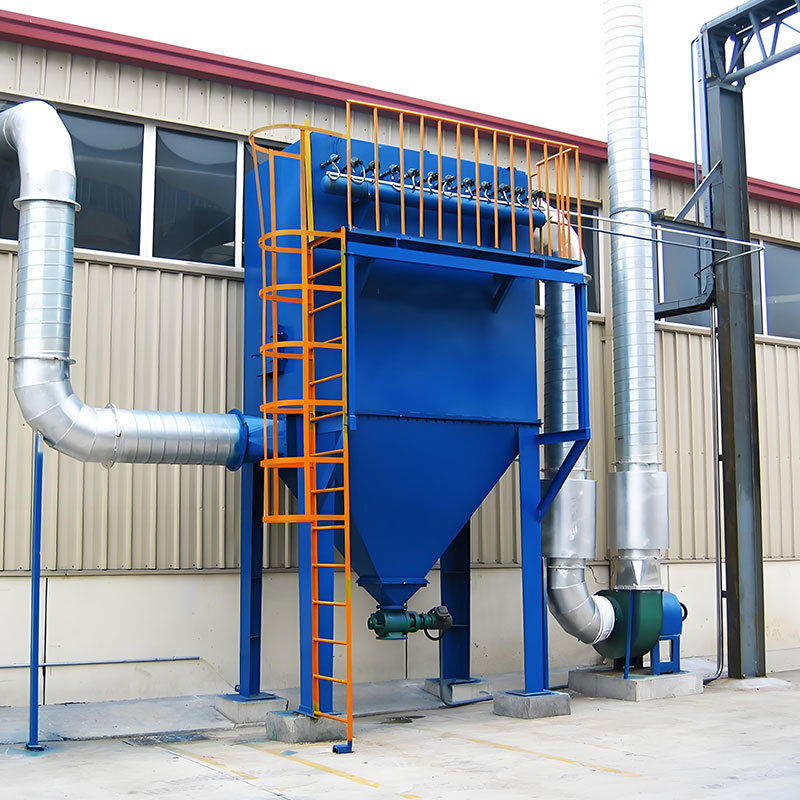
Dust collectors play a crucial role in maintaining a safe and healthy workplace within various industrial environments. When it comes to **bag dust collectors**, the right choice can significantly impact operational efficiency, compliance with environmental regulations, and overall air quality. In this guide, we will explore the
How to Choose the Right Bag Dust Collector for Your Industrial Needs
Dust collectors play a crucial role in maintaining a safe and healthy workplace within various industrial environments. When it comes to **bag dust collectors**, the right choice can significantly impact operational efficiency, compliance with environmental regulations, and overall air quality. In this guide, we will explore the fundamental aspects of selecting a bag dust collector that aligns with your industrial requirements.
Table of Contents
1. Understanding Bag Dust Collectors
2. Key Factors to Consider When Choosing a Bag Dust Collector
2.1 Airflow Requirements
2.2 Type of Dust Being Collected
2.3 Filter Efficiency and Maintenance
2.4 Size and Space Considerations
2.5 Noise Levels and Compliance Standards
3. Types of Bag Dust Collectors
3.1 Portable Bag Dust Collectors
3.2 Centralized Bag Dust Collectors
3.3 Cyclone Dust Collectors
4. The Importance of Proper Installation and Maintenance
5. Common Mistakes to Avoid When Choosing a Bag Dust Collector
6. FAQs About Bag Dust Collectors
7. Conclusion
1. Understanding Bag Dust Collectors
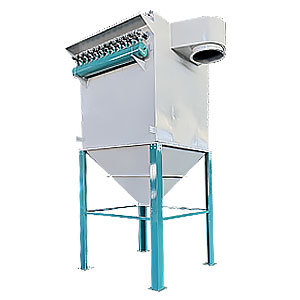
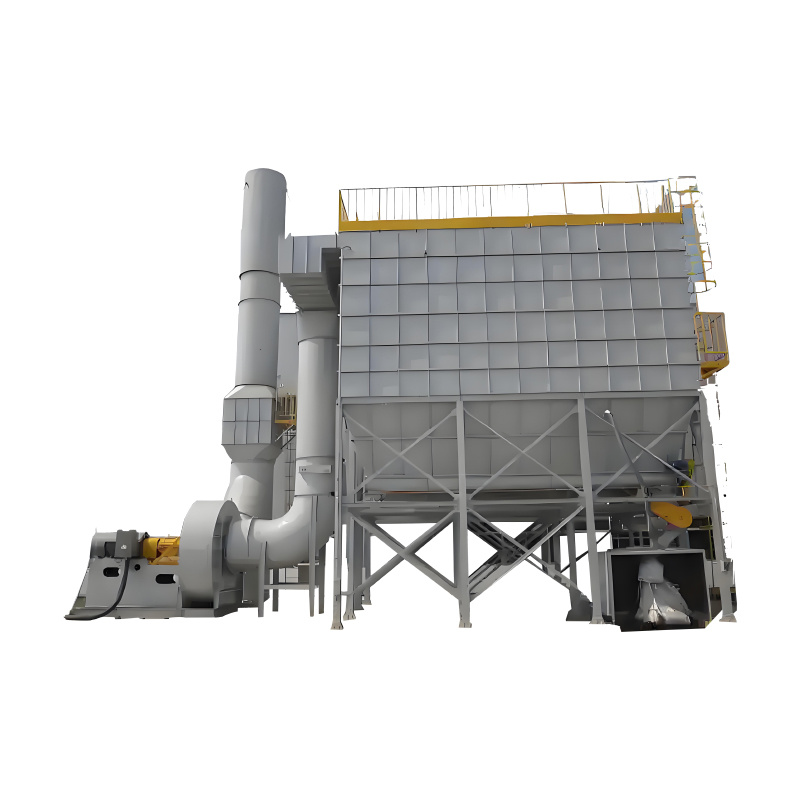
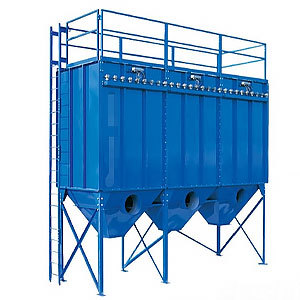
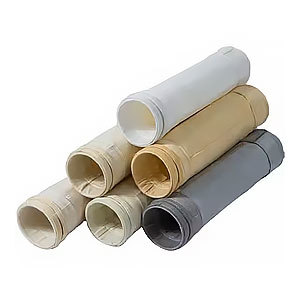
Bag dust collectors are essential systems designed to capture and filter airborne particulate matter generated during various industrial processes. They utilize fabric filters (or bags) to trap dust particles and allow clean air to be released back into the environment. By effectively removing hazardous dust, these systems contribute to a safer workforce and improved air quality in manufacturing facilities, woodworking shops, and more.
2. Key Factors to Consider When Choosing a Bag Dust Collector
When selecting a bag dust collector, several critical factors must be evaluated. By considering the following elements, you can ensure that you choose a system that meets your specific industrial needs.
2.1 Airflow Requirements
Understanding your facility's airflow requirements is vital. The size and capacity of the dust collector should match the volume of dust generated during operations. Calculate the required cubic feet per minute (CFM) based on your machinery, production volume, and the type of processes involved. An undersized unit will struggle to keep up, while an oversized unit may lead to unnecessary energy consumption.
2.2 Type of Dust Being Collected
Different dust types pose varying challenges for collection. For instance, combustible dusts, such as those found in wood or grain industries, require specialized systems to prevent explosions. Additionally, consider the particle size and density of the dust generated in your operations. Understanding these characteristics will guide you in selecting the appropriate filter media to capture the particles effectively.
2.3 Filter Efficiency and Maintenance
Filter efficiency is another crucial factor influencing your choice of a bag dust collector. Look for units with a high filtration efficiency percentage (typically above 99%) to ensure that even the smallest particles are captured. Additionally, consider the maintenance requirements of the filters. Some systems have self-cleaning mechanisms that reduce the frequency of manual maintenance, while others may require more hands-on upkeep.
2.4 Size and Space Considerations
Assess the available space in your facility before selecting a bag dust collector. The dimensions and configuration of the unit should fit the designated area without obstructing workflow. Compact designs may be ideal for smaller spaces, while larger operations may benefit from centralized systems that can serve multiple machines.
2.5 Noise Levels and Compliance Standards
Noise generated by dust collectors can impact workplace comfort and productivity. When selecting a system, consider the decibel levels produced during operation. Some units are designed to minimize noise, making them suitable for environments where sound levels are a concern. Additionally, ensure that the chosen dust collector complies with environmental regulations and industry standards to avoid potential legal complications.
3. Types of Bag Dust Collectors
Bag dust collectors come in various types, each designed to address specific industrial needs. Understanding these options can help you make an informed decision.
3.1 Portable Bag Dust Collectors
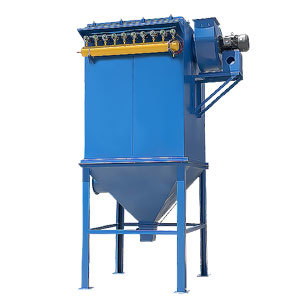
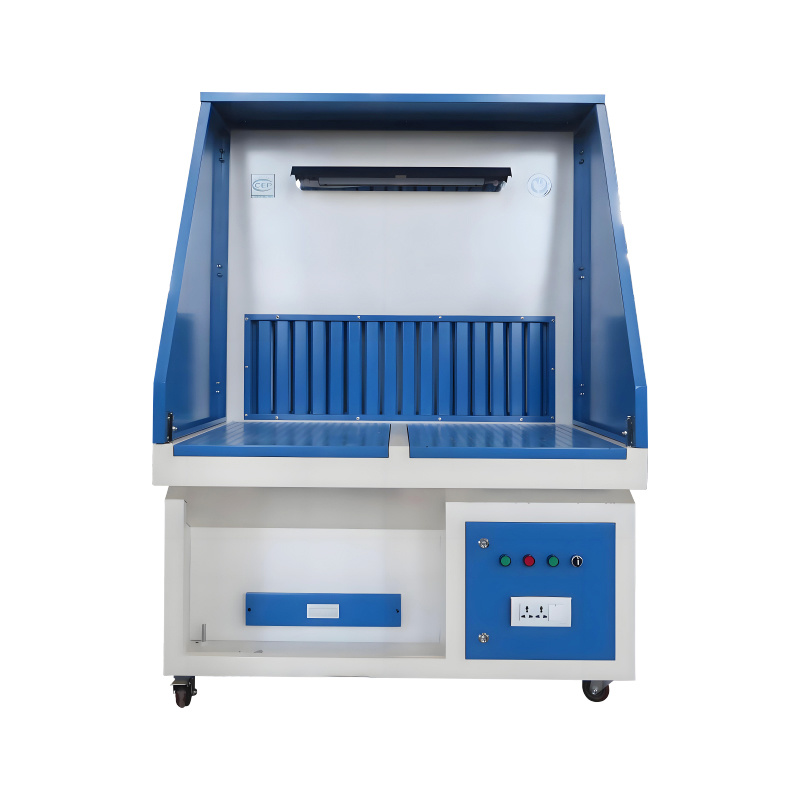
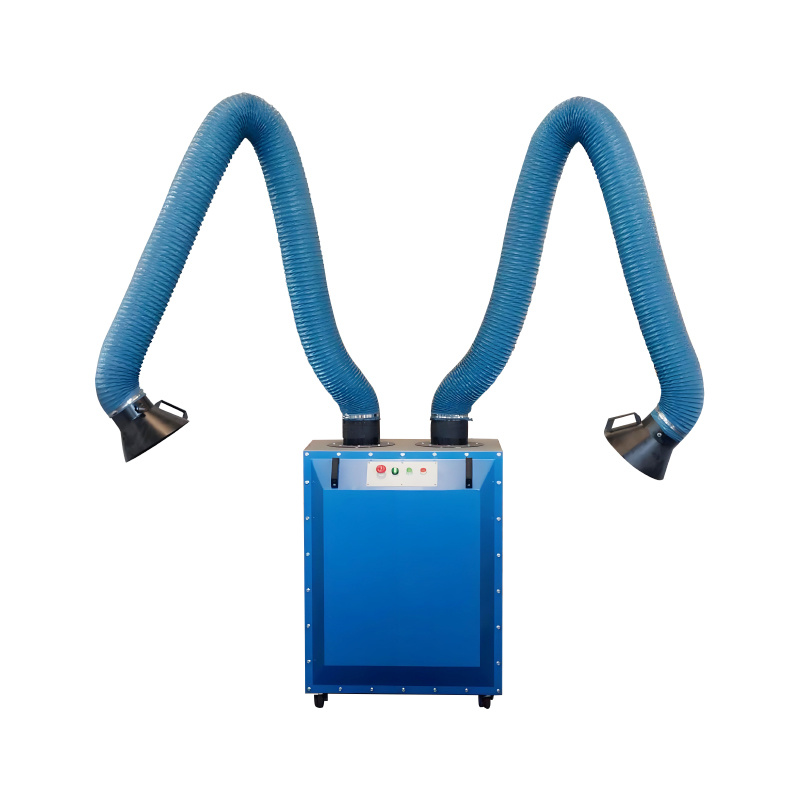
Portable bag dust collectors are ideal for small workshops or job sites where dust generation is localized. These units are typically lightweight, easily movable, and suitable for collection from single machines. They often feature a compact design, making them an excellent choice for limited spaces.
3.2 Centralized Bag Dust Collectors
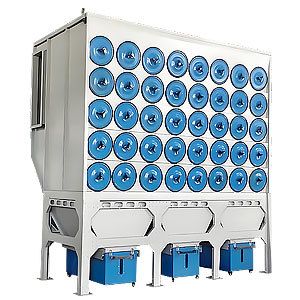
Centralized systems are designed to manage dust collection for multiple machines in larger facilities. These collectors are usually more powerful and can handle higher airflow requirements. They are connected to various machines through ductwork, ensuring efficient dust removal from several sources.
3.3 Cyclone Dust Collectors
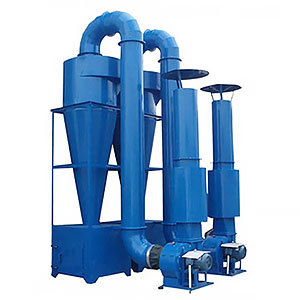
Cyclone dust collectors use centrifugal force to separate larger particles from the air stream before they reach the bag filters. These systems are effective for heavy dust loads and can be used in conjunction with bag dust collectors for enhanced filtration.
4. The Importance of Proper Installation and Maintenance
Proper installation and maintenance of your bag dust collector are essential for optimal performance. Ensure that the unit is correctly positioned to maximize airflow and minimize resistance. Periodic maintenance, including filter cleaning or replacement, is crucial to maintaining efficiency and compliance. Establish a regular maintenance schedule to inspect components, check for leaks, and ensure that the system operates smoothly.
5. Common Mistakes to Avoid When Choosing a Bag Dust Collector
Navigating the selection process for a bag dust collector can be challenging. Here are some common pitfalls to avoid:
1. **Underestimating Airflow Needs**: Failing to accurately calculate the required CFM can lead to inadequate dust collection.
2. **Neglecting Dust Type**: Not considering the specific characteristics of the dust generated can result in inefficient filtration and potential safety hazards.
3. **Ignoring Maintenance Requirements**: Choosing a system with high maintenance needs can lead to increased downtime and operational costs.
4. **Disregarding Space Constraints**: Selecting a unit that is too large for your facility can hinder workflow and efficiency.
5. **Overlooking Compliance Standards**: Failing to ensure that the chosen system meets industry regulations can result in expensive fines and legal issues.
6. FAQs About Bag Dust Collectors
6.1 What is a bag dust collector?
A bag dust collector is an air pollution control device designed to capture and filter dust particles from the air generated during industrial processes.
6.2 How do bag dust collectors work?
Bag dust collectors work by drawing in polluted air through a series of fabric filters (bags) that trap dust particles while allowing clean air to be released back into the environment.
6.3 What types of industries use bag dust collectors?
Bag dust collectors are used in various industries, including woodworking, metalworking, food processing, pharmaceuticals, and many others that generate airborne dust.
6.4 How often should bag filters be replaced?
The frequency of bag filter replacement depends on factors such as the dust type, airflow rate, and maintenance practices. Regular inspections should be conducted to determine when filters need replacement.
6.5 Can bag dust collectors be used for combustible dust?
Yes, bag dust collectors can be designed to handle combustible dust, but specialized safety features and adherence to strict regulations are essential to mitigate explosion risks.
7. Conclusion
Selecting the right bag dust collector for your industrial needs is crucial for ensuring a safe and efficient working environment. By understanding the various factors that impact performance, including airflow requirements, dust type, filter efficiency, and more, you can make an informed decision. Take the time to assess your facility's specific needs, avoid common pitfalls, and prioritize proper installation and maintenance. With the right bag dust collector in place, you will enhance air quality, comply with regulations, and promote a healthier workplace for your employees.
Hot Tags:


Contact Us
Tel:
WeChat:
WhatsApp:
E-mail:
Address:
338 National Road South, Longfengdian Village, Botou City, Hebei Province, China
JiuznTomine is expertly delivering technically complicated projects in markets & provides custom solutions for their customized need.


CONTACT INFO
Tel: +86 18531710311
WeChat: +86-18531710311
338 National Road South, Longfengdian Village, Botou City, Hebei Province, China