



































Why Every Industrial Facility Needs a Grinding Platform Dust Collector
Dec 05,2024
Why Every Industrial Facility Needs a Grinding Platform Dust Collector
Introduction to Grinding Platform Dust Collectors
In today’s industrial landscape, maintaining a clean and safe environment is not just a regulatory requirement; it’s a fundamental aspect of operational efficiency. One of the essential tools for achieving this goal is the grinding platform dust collector. These specialized syst
Why Every Industrial Facility Needs a Grinding Platform Dust Collector
Introduction to Grinding Platform Dust Collectors
In today’s industrial landscape, maintaining a clean and safe environment is not just a regulatory requirement; it’s a fundamental aspect of operational efficiency. One of the essential tools for achieving this goal is the grinding platform dust collector. These specialized systems are designed to capture and filter airborne contaminants generated during grinding processes, ensuring that workers operate in a safe atmosphere free from harmful particles.
The Importance of Dust Control in Industrial Settings
Understanding Industrial Dust
Industrial dust can be a significant threat to both health and equipment. During grinding operations, particles such as metal shavings, wood dust, and other debris can become airborne, leading to respiratory issues for workers and potential damage to machinery. The **importance of effective dust control** cannot be overstated.
Health Risks Associated with Dust Exposure
Prolonged exposure to dust can result in a variety of health problems, ranging from simple allergic reactions to severe respiratory diseases, such as asthma or pneumoconiosis. Ensuring a dust-free environment is not just about compliance; it’s about safeguarding the health of employees.
How Grinding Platform Dust Collectors Work
The Mechanism Behind Dust Collection
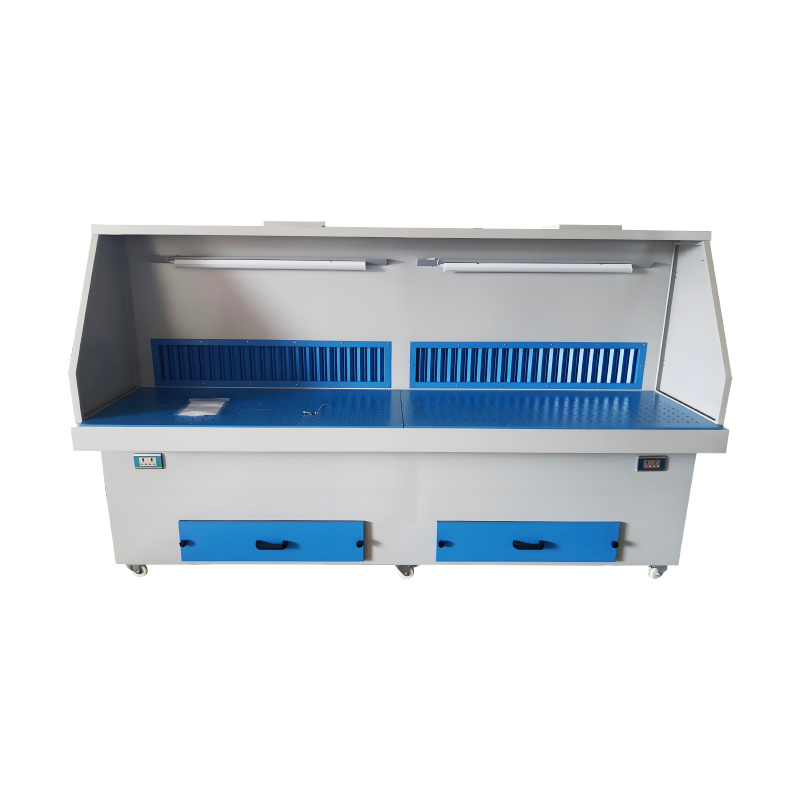
Grinding platform dust collectors utilize advanced filtration systems that capture and contain dust particles before they can escape into the work environment. These systems typically consist of:
- **Intake Hoods**: Positioned strategically to draw in dust-laden air.
- **Filters**: Designed to trap particles of various sizes, ensuring that clean air is returned to the facility.
- **Fan Systems**: To create the necessary airflow for effective dust extraction.
By employing these components, dust collectors operate efficiently, ensuring that airborne particles are captured and filtered, maintaining optimal air quality.
Types of Dust Collectors
There are several types of dust collectors available, including:
1. **Baghouse Collectors**: Use fabric filters to trap dust particles.
2. **Cyclone Collectors**: Utilize centrifugal force to separate particles from air.
3. **Cartridge Collectors**: Employ pleated filters for high filtration efficiency.
4. **Wet Collectors**: Use water to trap dust, ideal for certain applications.
Each type has its unique advantages and is suited for different industrial applications. Choosing the right dust collector is essential for maximizing efficiency and safety.
The Benefits of Installing a Grinding Platform Dust Collector
Enhanced Worker Safety
One of the primary benefits of installing a grinding platform dust collector is the **enhanced safety** it provides. By minimizing dust exposure, facilities can significantly reduce the risk of respiratory issues among workers, leading to a healthier workforce.
Improved Air Quality
A clean environment is paramount for productivity. Dust collectors help maintain better air quality, fostering an atmosphere conducive to work. Improved air quality leads to fewer sick days, higher morale, and increased productivity.
Compliance with Regulations
Many industrial operations are subject to strict regulations regarding air quality and worker safety. Implementing a grinding platform dust collector not only helps meet these standards but also demonstrates a commitment to responsible operations.
Operational Efficiency and Cost Savings
Beyond safety and compliance, dust collectors contribute to operational efficiency. By controlling dust, facilities can reduce equipment wear and tear, leading to lower maintenance costs and extended equipment lifespan. This results in significant **cost savings** over time.
Key Features to Look for in a Grinding Platform Dust Collector
Filtration Efficiency
When selecting a dust collector, filtration efficiency is paramount. Look for systems with high-efficiency filters that can capture fine particles. This ensures that the air returned to the environment is clean and safe.
Durability and Maintenance
Choose dust collectors constructed from durable materials that can withstand the rigors of industrial applications. Additionally, systems that require minimal maintenance are preferable, allowing for uninterrupted operations.
Customizability
Every facility is unique, and having a dust collector that can be customized to meet specific needs is essential. Look for systems that offer adjustable features for airflow and filtration.
Best Practices for Dust Collector Maintenance
Regular Inspections
To maintain optimal performance, it is crucial to conduct regular inspections of the dust collector. Checking filters, fans, and other components ensures that the system is operating efficiently.
Filter Replacement and Cleaning
Filters are the heart of any dust collection system. Regular replacement and cleaning of filters are necessary to ensure maximum efficiency. Neglecting this aspect can lead to reduced performance and increased operational costs.
Training Staff on Proper Usage
Educating staff on the proper usage and maintenance of dust collectors can significantly enhance their effectiveness. Ensure that workers understand how to operate the system and recognize signs of malfunction.
Case Studies: The Impact of Dust Collectors in Industrial Facilities
Case Study 1: Metal Fabrication Facility
A metal fabrication facility implemented a grinding platform dust collector and saw a **dramatic decrease in respiratory-related health issues**. Employee productivity increased, and the facility met all regulatory compliance standards.
Case Study 2: Woodworking Shop
In a woodworking shop, the introduction of a dust collector drastically improved air quality. The owner reported fewer instances of equipment malfunction and a notable increase in overall efficiency.
FAQs About Grinding Platform Dust Collectors
1. What is a grinding platform dust collector?
A grinding platform dust collector is a specialized system designed to capture and filter airborne dust generated during grinding operations, ensuring a safe and clean working environment.
2. How do dust collectors improve workplace safety?
Dust collectors improve workplace safety by minimizing dust exposure, reducing the risk of respiratory issues, and creating a healthier work environment.
3. What types of dust collectors are available for industrial use?
Common types include baghouse collectors, cyclone collectors, cartridge collectors, and wet collectors, each suited to specific applications.
4. How often should dust collector filters be replaced?
The frequency of filter replacement varies based on usage and dust load, but regular inspections should be conducted to ensure optimal performance.
5. Can dust collectors be customized for specific industrial needs?
Yes, many dust collectors offer customizable features to accommodate the unique needs of different industrial applications.
Conclusion
In conclusion, the implementation of a grinding platform dust collector is not merely a regulatory requirement; it is an essential component of a responsible and efficient industrial operation. By ensuring enhanced safety, improved air quality, and operational efficiency, these systems play a vital role in fostering a productive work environment. Investing in a high-quality dust collector is an investment in the health and well-being of your workforce and the long-term success of your facility. Prioritize dust control today to secure a safer, cleaner, and more efficient industrial future.
Hot Tags:


Contact Us
Tel:
WeChat:
WhatsApp:
E-mail:
Address:
338 National Road South, Longfengdian Village, Botou City, Hebei Province, China
JiuznTomine is expertly delivering technically complicated projects in markets & provides custom solutions for their customized need.


CONTACT INFO
Tel: +86 18531710311
WeChat: +86-18531710311
338 National Road South, Longfengdian Village, Botou City, Hebei Province, China