











How ESP Collecting Plates Enhance Dust Collection Efficiency
Dec 03,2024
Understanding the Role of ESP Collecting Plates in Dust Collection
Dust pollution remains a significant concern in various industrial sectors. **Electrostatic Precipitators (ESPs)** have emerged as an effective solution for mitigating airborne particulates. Among the critical components of an ESP, the **collecting plates** play an essential role in enhancing dust collection efficiency. This articl
Understanding the Role of ESP Collecting Plates in Dust Collection
Dust pollution remains a significant concern in various industrial sectors. **Electrostatic Precipitators (ESPs)** have emerged as an effective solution for mitigating airborne particulates. Among the critical components of an ESP, the **collecting plates** play an essential role in enhancing dust collection efficiency. This article delves into the intricate workings of ESP collecting plates, their design, and the benefits they bring to industrial dust collection systems.
What Are ESP Collecting Plates?
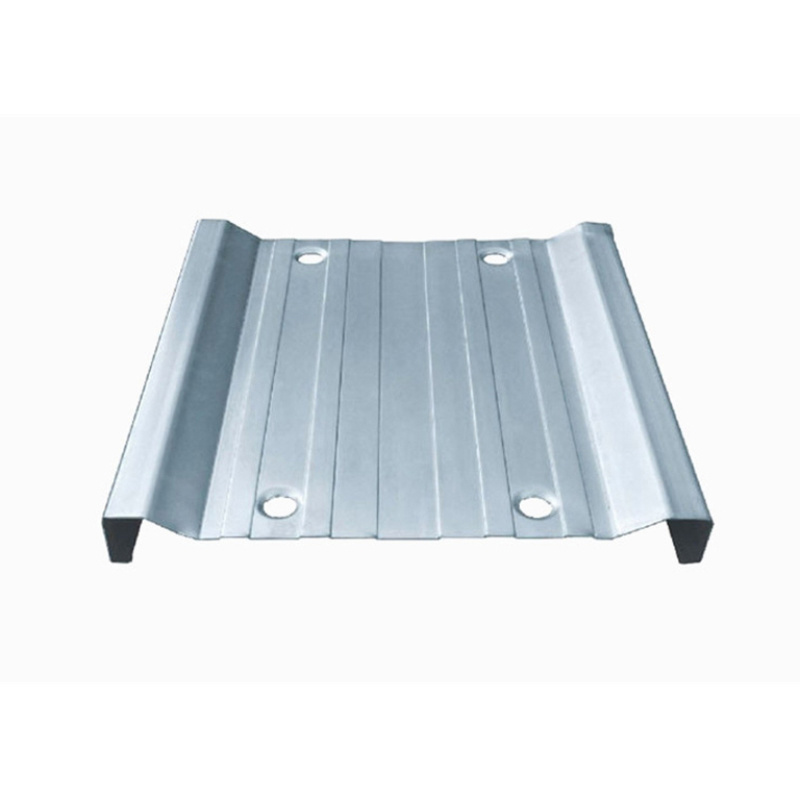
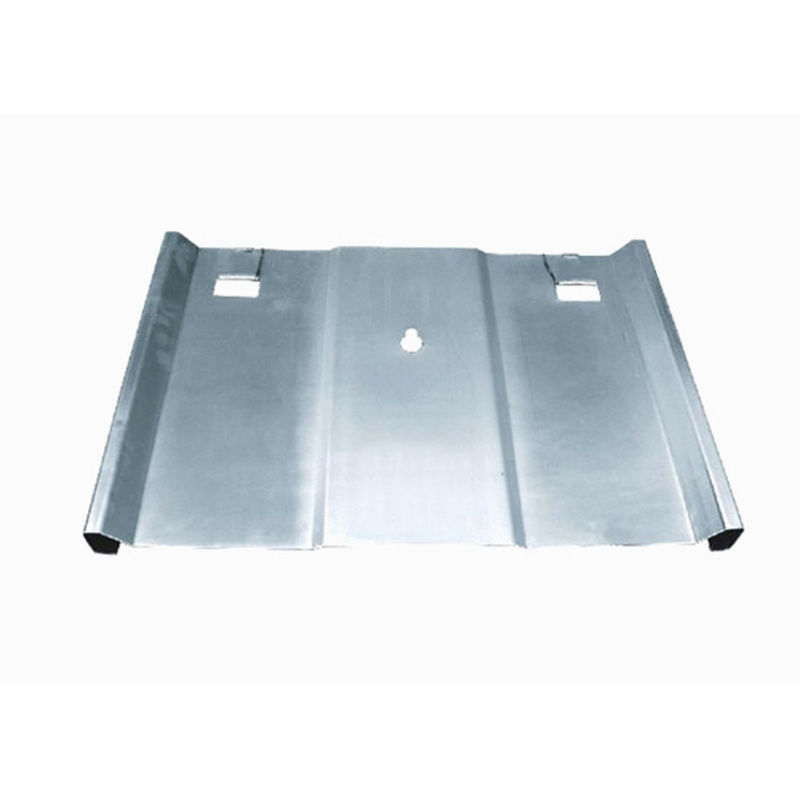
ESP collecting plates are flat surfaces placed within an electrostatic precipitator that serve to capture dust particles from flue gas. When flue gas passes through the ESP, an electric field is generated, causing dust particles to become charged. These charged particles are attracted to the oppositely charged collecting plates, allowing for effective removal of contaminants from the gas stream.
How Do ESP Collecting Plates Function?
The functionality of ESP collecting plates can be broken down into several key stages:
1. Ionization of Particles
The first step in the dust collection process involves **ionization**. As flue gas enters the ESP, it passes through a region where high-voltage electrodes discharge ions. These ions attach to the dust particles, imparting a negative charge to them.
2. Collection of Charged Particles
Once the dust particles are charged, they move towards the collecting plates, which are typically grounded or have a positive charge. The difference in charge creates an attractive force, allowing the particles to adhere to the plates.
3. Dust Removal
Over time, the accumulation of dust on the collecting plates necessitates periodic cleaning. This is typically achieved using mechanical systems or vibrations that dislodge the dust, allowing it to fall into a hopper for disposal.
The Importance of ESP Collecting Plates in Dust Collection Efficiency
The efficiency of dust collection systems largely depends on the design and effectiveness of the collecting plates. Here are some reasons why these plates are crucial for optimizing dust collection:
High Collection Efficiency
ESP collecting plates are designed to maximize the surface area for dust accumulation. The higher the surface area, the more dust particles can be captured. Advanced designs incorporate features like corrugations or special coatings to enhance particle adherence.
Reduced Pressure Drop
A well-designed collecting plate system minimizes the pressure drop across the ESP, ensuring that the system operates efficiently. A lower pressure drop translates to lower energy consumption and operational costs, making it economically advantageous.
Improved Air Quality
By effectively capturing airborne particulates, ESP collecting plates contribute to improved air quality in industrial environments. This is essential not only for regulatory compliance but also for the health and safety of employees.
Types of ESP Collecting Plates
Different applications require various designs and materials for collecting plates. Understanding these types can help industries choose the right configuration for their needs.
1. Standard Flat Plates
Standard flat plates are the most common type used in ESPs. They provide a straightforward solution for capturing dust but may require larger surface areas compared to more specialized designs.
2. Corrugated Plates
Corrugated collecting plates increase the surface area without significantly increasing the size of the ESP. The ridges and valleys enhance particle capture while maintaining airflow efficiency.
3. Coated Plates
Some collecting plates are coated with materials that improve their ability to retain charged particles. These coatings can be tailored to specific applications, enhancing overall dust collection performance.
Factors Influencing the Performance of ESP Collecting Plates
Several factors can affect the performance of collecting plates in ESPs. Understanding these factors can help industries optimize their dust collection systems.
1. Particle Charge and Size
The charge of the particles and their size significantly influence how well they adhere to the collecting plates. Larger particles typically exhibit higher inertia and may require different configurations for optimal collection.
2. Gas Composition
The composition of the flue gas can impact the ionization process. Gases containing certain chemicals may interfere with particle charging, necessitating adjustments in the ESP design.
3. Environmental Conditions
Temperature and humidity levels can affect the efficiency of dust collection systems. Higher temperatures may lead to increased resistance in the ESP, while humidity can alter the behavior of charged particles.
Maintenance of ESP Collecting Plates for Optimal Efficiency
Regular maintenance is essential to ensure the longevity and efficiency of ESP collecting plates. Here are some key maintenance practices:
1. Routine Inspections
Conducting regular inspections of the collecting plates can help identify wear and buildup that may impede performance. Monitoring for cracks or corrosion is crucial to maintaining efficiency.
2. Cleaning Procedures
Implementing effective cleaning procedures ensures that dust does not accumulate excessively on the plates. This may involve using mechanical scrapers or water sprays, depending on the design of the ESP.
3. Monitoring System Performance
Utilizing performance monitoring systems can provide valuable data regarding the efficiency of dust collection. Continuous monitoring allows for timely adjustments and optimizations.
Case Studies: The Impact of ESP Collecting Plates in Various Industries
A closer look at how ESP collecting plates have impacted specific industries can shed light on their overall effectiveness.
1. Power Generation Industry
In power plants, ESPs with advanced collecting plates have been instrumental in reducing emissions and complying with environmental regulations. These systems have achieved over 99% efficiency in particulate matter removal.
2. Cement Production
Cement manufacturers face significant dust challenges. Implementing ESPs with specialized collecting plates has significantly improved air quality and reduced dust-related health issues among workers.
3. Metal Processing
In metal processing facilities, the reduction of toxic dust is critical. ESP collecting plates have played a vital role in capturing harmful particles, ensuring a safer work environment.
Future Trends in ESP Collecting Plate Technology
Advancements in technology continue to drive improvements in ESP collecting plate designs. Here are some trends to watch for:
1. Smart Dust Collection Systems
The integration of IoT (Internet of Things) technology into dust collection systems allows for real-time monitoring and optimization of ESP performance. This can lead to enhanced efficiency and reduced operational costs.
2. Enhanced Materials
Developments in materials science may yield new coatings and plate designs that improve dust adhesion and durability, ultimately enhancing the overall lifespan of the collecting plates.
3. Regulatory Changes
As environmental regulations become stricter, industries will seek more efficient dust collection solutions. ESP collecting plates will likely evolve to meet these demands, focusing on increased efficiency and lower emissions.
Conclusion
ESP collecting plates are a fundamental component of effective dust collection systems in various industries. Their design and functionality significantly enhance dust collection efficiency, contributing to improved air quality and compliance with environmental regulations. By understanding the mechanisms at play, industries can make informed decisions regarding their dust collection strategies, ensuring that they not only meet regulatory requirements but also foster a safer and healthier workplace.
As we look to the future, continued advancements in technology and materials will further enhance the capabilities of ESP collecting plates, ensuring that they remain at the forefront of dust collection solutions.
Hot Tags:


Contact Us
Tel:
WeChat:
WhatsApp:
E-mail:
Address:
338 National Road South, Longfengdian Village, Botou City, Hebei Province, China
JiuznTomine is expertly delivering technically complicated projects in markets & provides custom solutions for their customized need.


CONTACT INFO
Tel: +86 18531710311
WeChat: +86-18531710311
338 National Road South, Longfengdian Village, Botou City, Hebei Province, China