











Is industrial dust removal environmentally friendly? Energy saving equipment generates secondary revenue
Sep 03,2025

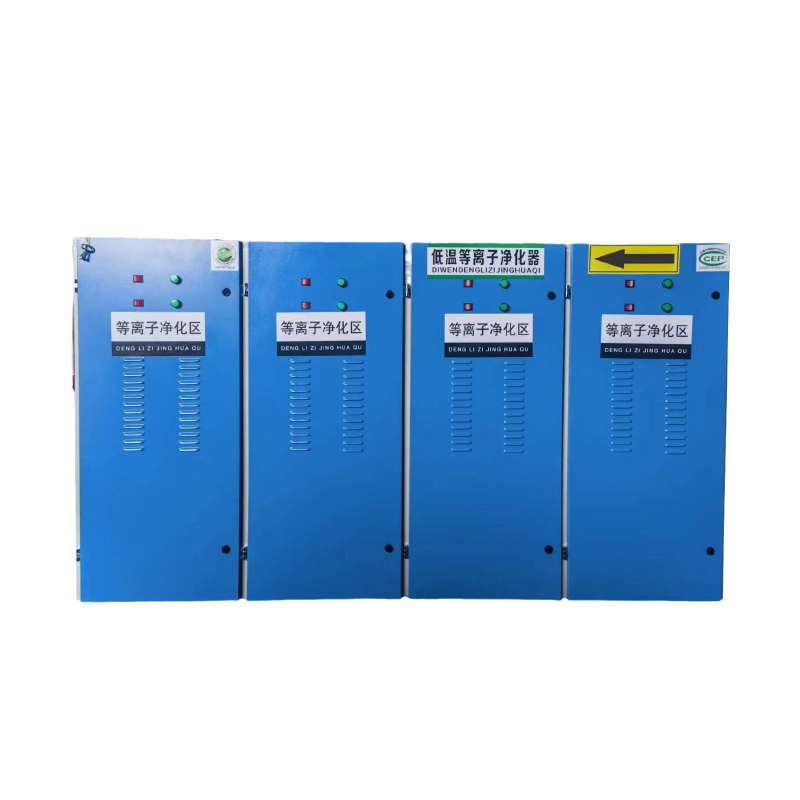
For overseas industrial factories, "environmental dust removal" is often equated with "additional costs" - but choosing the right energy-saving dust removal equipment can not only meet environmental standards such as EU CE and US EPA, but also create "secondary benefits" through dust recycling, energy savings, and other means, turning environmental investment into "profitable water". Especially in the global low-carbon trend, such equipment has become an "invisible lever" for foreign trade factories to enhance their competitiveness.
1、 Profit core: How can energy-saving dust removal equipment "turn waste into treasure"?
The "secondary benefit" of energy-saving dust removal equipment is essentially to transform the "waste items" in traditional dust removal into "profit points" through "resource recycling+efficiency optimization". There are two core logics: one is to recycle industrial dust for reuse, directly creating economic value; The second is to reduce the energy consumption and maintenance costs of equipment operation, indirectly reducing expenses. These two points are particularly crucial for profit sensitive foreign trade factories - after all, in international order competition, cost advantage often determines bargaining power.
2、 Three practical scenarios for secondary returns: from saving money to making money
1. Dust recycling: Transforming "waste dust" into "raw materials" and directly generating revenue
Industrial dust is not entirely "waste", and the "high-efficiency filtration+drying collection" design of energy-saving dust removal equipment can enable most dust to be reused:
Building materials factory: The recovery rate of cement and lime dust exceeds 90%, and it can be recycled for production.;
Food factory: Flour and milk powder dust collected by a 304 stainless steel shell dust collector meets food hygiene standards and can be reprocessed.
Hardware factory: After recycling metal powder, it can be sold to smelters.
2. Energy conservation and consumption reduction: Double reduction of electricity and operation and maintenance fees, indirectly saving profits
The "low consumption design" of energy-saving dust removal equipment can reduce operating expenses in the long run, which is quite significant for foreign trade factories that operate 24 hours a day
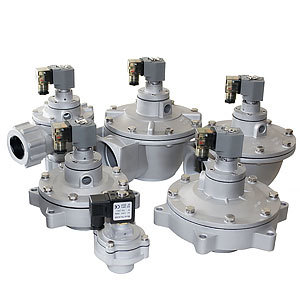
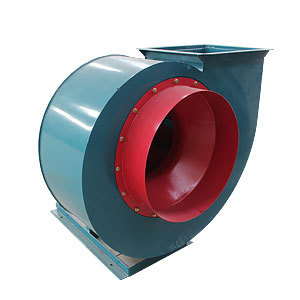
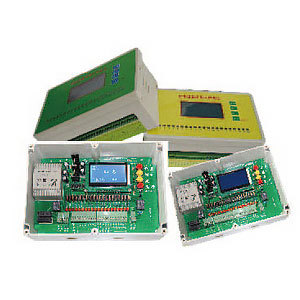
Energy consumption optimization: Paired with variable frequency fans and intelligent pulse controllers, the equipment can automatically adjust power according to dust concentration.
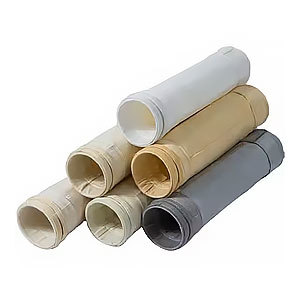
Operation and maintenance burden reduction: Energy saving equipment often uses long-life accessories, such as corrosion-resistant filter bags, which can have a lifespan of 2-3 years, while traditional filter bags only have a lifespan of 8-12 months, reducing the frequency of replacement.
3. Order empowerment: Environmental endorsement enhances competitiveness and wins high-value orders
In international procurement, "environmental compliance" has become the basic threshold, and the "green label" brought by energy-saving dust removal equipment can help factories win higher value orders:
EU clients: When purchasing, they will prioritize suppliers with ESG reports, and the energy consumption and emission reduction data of energy-saving dust removal equipment are the core content of ESG reports.
High end market: The high-end manufacturing industry in North America and Europe has stricter environmental requirements for suppliers, and the "ultra-low emissions" brought by energy-saving and dust removal equipment can become the key to breaking through barriers.
3、 Foreign trade adaptation: choose the right equipment to make profits "land"
Overseas factories need to select energy-saving and dust removal equipment based on regional working conditions in order to obtain "secondary income":
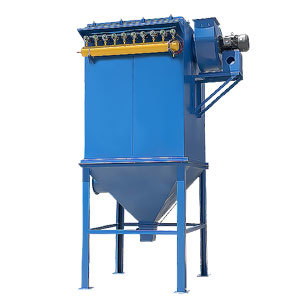
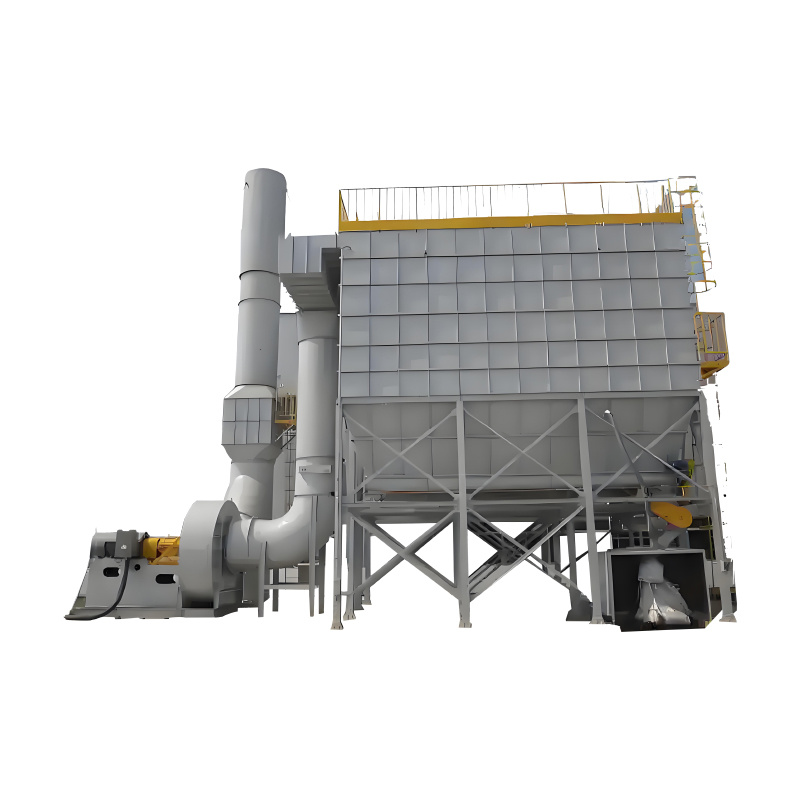
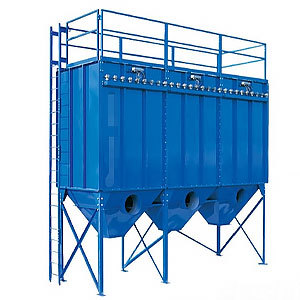
1. High temperature and high corrosion scenario: Choose a pulse dust collector that can withstand 260 ℃+PPS filter bag, balancing energy saving and durability, and avoiding frequent equipment replacement that affects revenue;
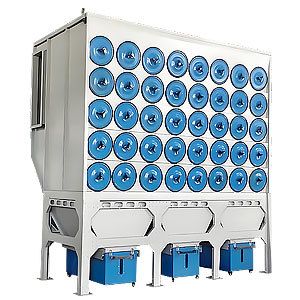
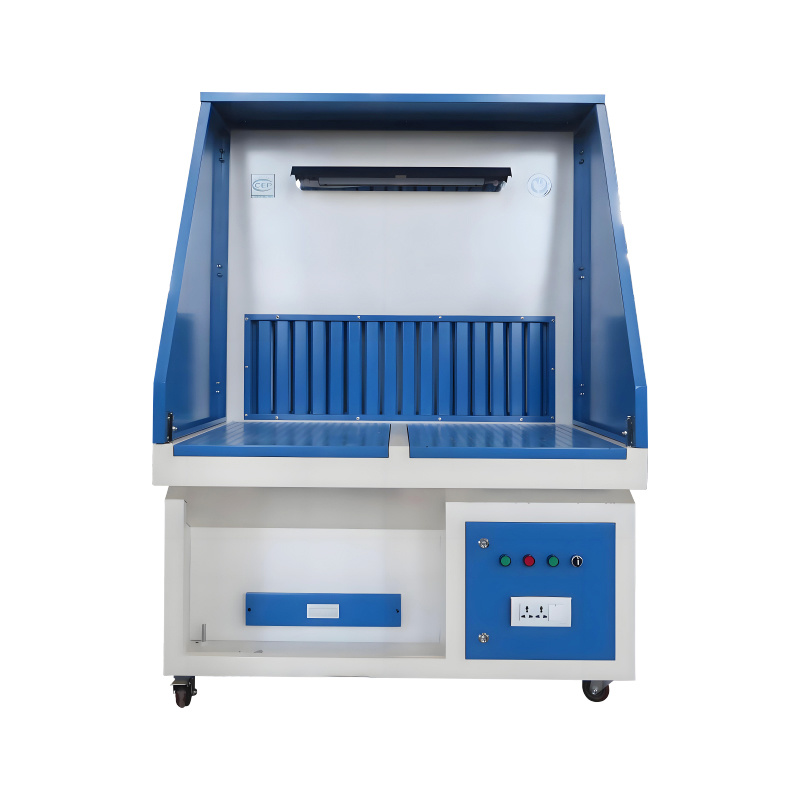
2. Precise low consumption scenario: Choose energy-saving filter cartridge dust collector, which has a small volume, low energy consumption, and meets local hygiene and explosion-proof standards;
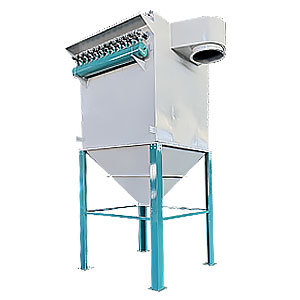
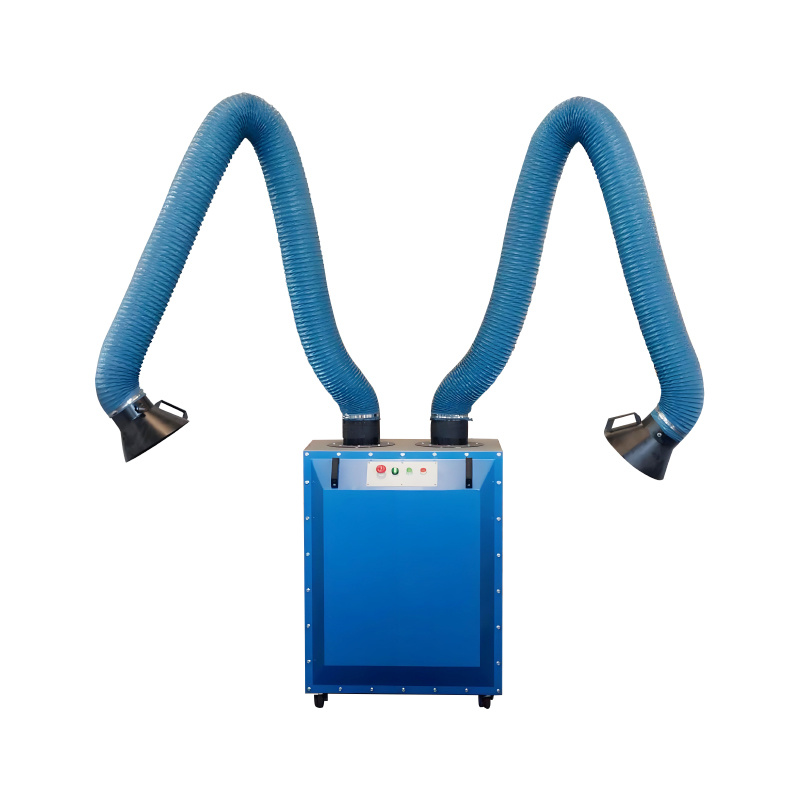
3. Small and medium-sized factory scenario: Choose the "simplified version" energy-saving pulse equipment, retain core recycling and energy-saving functions, with low initial investment, and quickly achieve a "profit loop".
4、 Summary: Environmental protection is not a cost, but a "return investment"
The selection of energy-saving equipment for industrial dust removal is no longer about "environmental protection for the sake of environmental protection", but rather about creating a virtuous cycle of "input income reinvestment" through "dust recycling to generate revenue, energy conservation and cost reduction, policy subsidies, and order empowerment". For factories engaged in foreign trade, this type of equipment not only helps you pass environmental audits, but also stands out in international competition with its "cost advantage+green label" - after all, in the global low-carbon era, "profitable environmental protection" is the most attractive choice.
Hot Tags:


Contact Us
Tel:
WeChat:
WhatsApp:
E-mail:
Address:
338 National Road South, Longfengdian Village, Botou City, Hebei Province, China
JiuznTomine is expertly delivering technically complicated projects in markets & provides custom solutions for their customized need.


CONTACT INFO
Tel: +86 18531710311
WeChat: +86-18531710311
338 National Road South, Longfengdian Village, Botou City, Hebei Province, China