











From resistance to energy consumption: How can pulse controllers improve the efficiency of dust removal equipment?
Sep 01,2025
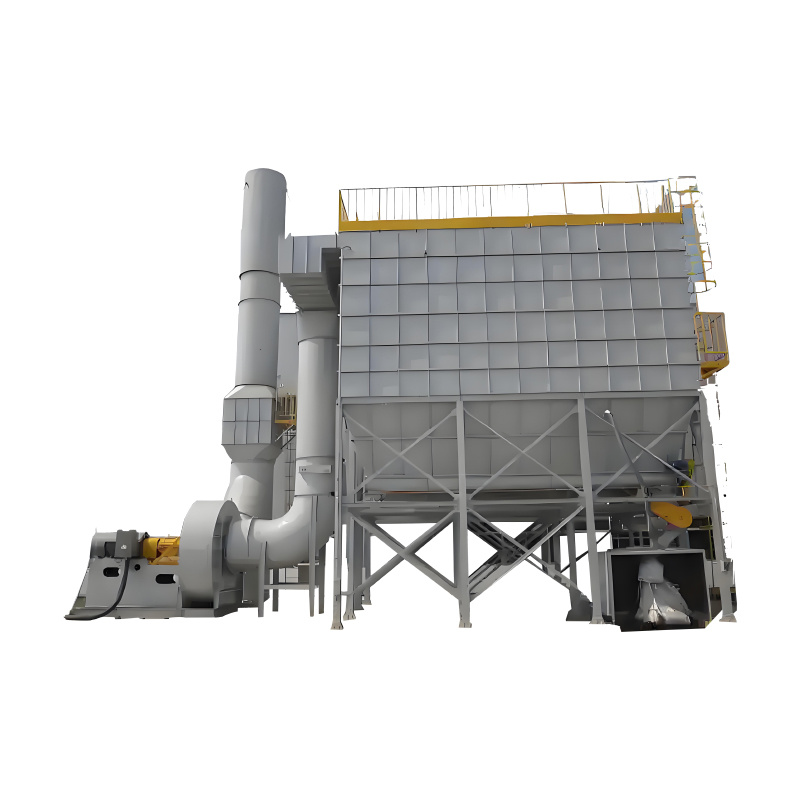
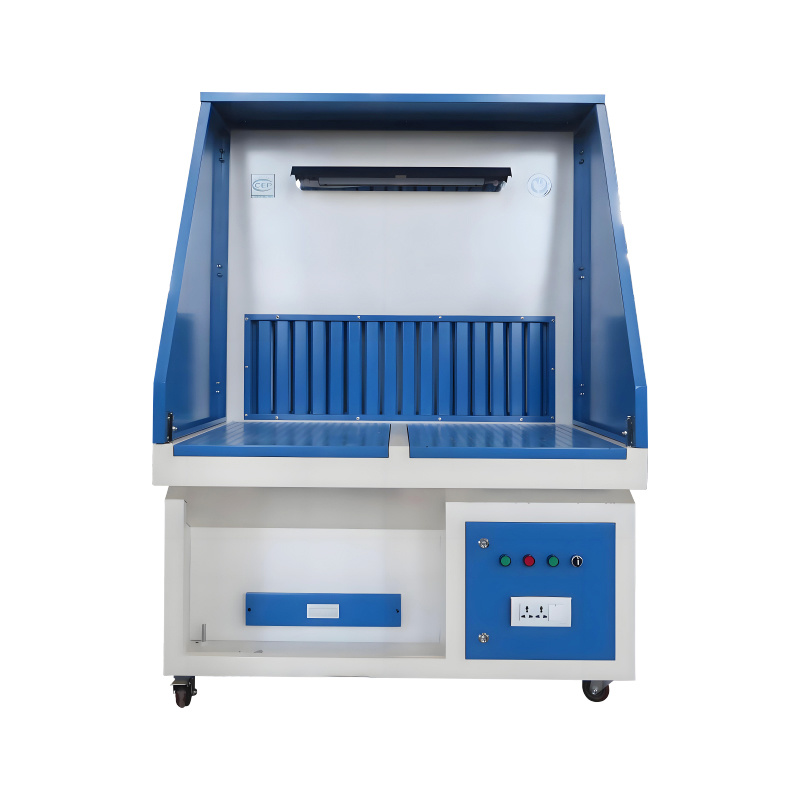
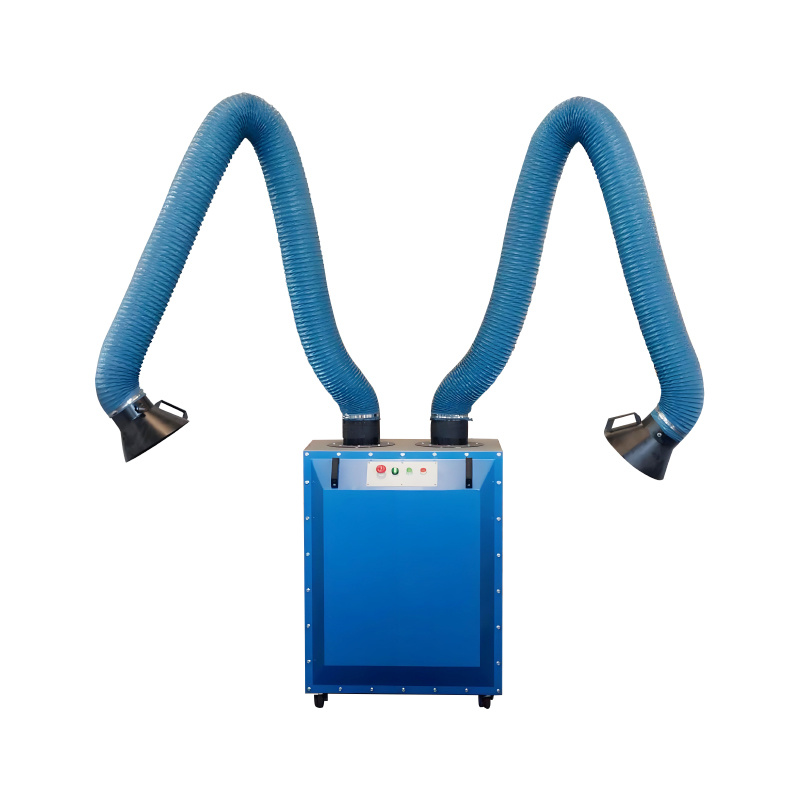
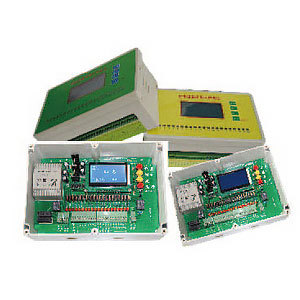
In the operation of dust removal equipment, "high resistance" and "energy waste" are the two core problems of efficiency decline. As the "intelligent center" of the equipment, the pulse controller can accurately regulate the cleaning rhythm and solve these two pain points - not only keeping the filter bag running with low resistance, but also avoiding ineffective energy consumption, becoming a key accessory to improve the comprehensive efficiency of dust removal equipment, especially suitable for overseas factories' dual needs of "high efficiency+energy saving".
1、 Control resistance first: Keep dust removal equipment always "light on the battlefield"
The resistance of dust removal equipment mainly comes from the dust attached to the surface of the filter bag: the thicker the dust accumulation, the higher the resistance, the greater the fan load, and even the decrease in air volume and the decline in dust removal efficiency. The core function of the pulse controller is to stabilize the resistance within a reasonable range (usually 800-1200Pa) through "precise cleaning".
1. Two resistance control modes, suitable for different dust scenes
1.1 Time control mode: For factories with stable dust concentration, a fixed cleaning interval can be preset to avoid excessive dust accumulation in the filter bag.
1.2 Resistance control mode: By connecting a differential pressure sensor, the resistance of the filter bag is monitored in real time - when the resistance exceeds the standard, the cleaning is automatically triggered to avoid "cleaning too early (wasting energy)" or "cleaning too late (high resistance)".
2. Partition wheel cleaning without interrupting production efficiency
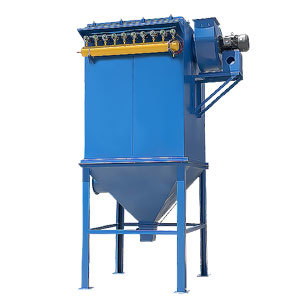
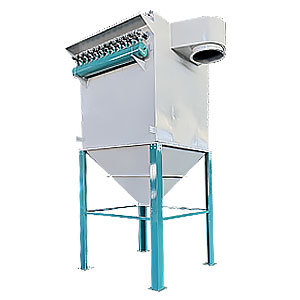
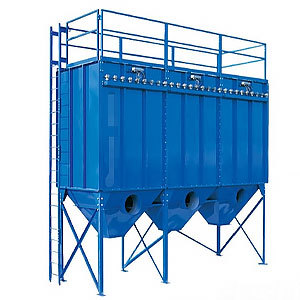
Large dust removal equipment is usually divided into multiple filter bag units, and the pulse controller can achieve "zone wheel cleaning": only 1-2 units are cleaned at a time, and the rest of the units are filtered normally to avoid machine shutdown or sudden drops in air volume. The pulse bag filter of a cement plant in the Middle East has achieved 24-hour continuous production with this function, which has increased daily output by 15% compared to the traditional "whole machine cleaning" mode.
2、 Further reduce "energy consumption": reduce ineffective consumption and meet the needs of green environmental protection
The energy consumption of dust removal equipment mainly comes from fans and dust cleaning systems. The pulse controller reduces ineffective energy consumption through "on-demand regulation", in line with the global trend of "green environmental protection", and also helps overseas customers reduce electricity costs.
1. Accurately control the energy consumption of dust cleaning
Control the spraying time: The single ash cleaning spraying time is only 0.1-0.2 seconds, saving 60% of compressed air consumption compared to traditional long-term spraying;
Adaptive energy-saving accessories: It can be linked with a variable frequency pulse valve to automatically adjust the injection pressure according to resistance - reducing pressure when low resistance and increasing pressure when high resistance, avoiding energy waste caused by "constant pressure injection". After using this solution, a hardware factory in North America reduced the energy consumption of the ash cleaning system by 2000 degrees per month.
2. Energy saving linkage fan
Some high-end pulse controllers can be integrated with fan frequency conversion systems: when the equipment resistance is low and the dust concentration is low, the fan speed will be automatically reduced, further reducing energy consumption. For example, in a furniture factory in Northern Europe, the dust concentration decreased during non peak production hours, and the controller linked the fan speed to decrease by 30%. The hourly power consumption decreased from 15 kWh to 9 kWh, saving more than 50000 kWh annually, which complies with the EU ERP energy-saving directive.
3、 Foreign Trade Adaptation: Global Design of Pulse Controllers
Overseas factories have diverse operating conditions, and pulse controllers need to be adapted to different needs through "localized design" to ensure that dust removal equipment can operate efficiently in global scenarios
1. Working condition adaptation: High temperature resistant shell is used in high temperature scenarios, and IP65 waterproof protection is provided in high humidity scenarios to avoid controller failure causing equipment shutdown;
2. Compliance adaptation: Through CE and UL, it is adapted to the EU 110V/220V power grid to avoid customs clearance issues caused by certification deficiencies;
3. Operation adaptation: Supports multiple language interfaces, making it convenient for overseas workers to operate and reducing training costs.
4、 Summary: Small accessories, big role
Although the pulse controller is compact in size, it can directly improve the comprehensive efficiency of dust removal equipment by 30% -50% from the two key dimensions of "controlling resistance" and "reducing energy consumption". It not only ensures that dust emissions meet standards, but also helps overseas customers save electricity costs and extend the life of filter bags. It is the core component of dust removal equipment with "extremely high cost-effectiveness". For enterprises engaged in foreign trade, emphasizing the efficiency improvement value of pulse controllers can enable customers to see the long-term benefits of equipment more clearly and also make it easier to open up the global market.
Hot Tags:


Contact Us
Tel:
WeChat:
WhatsApp:
E-mail:
Address:
338 National Road South, Longfengdian Village, Botou City, Hebei Province, China
JiuznTomine is expertly delivering technically complicated projects in markets & provides custom solutions for their customized need.


CONTACT INFO
Tel: +86 18531710311
WeChat: +86-18531710311
338 National Road South, Longfengdian Village, Botou City, Hebei Province, China