











How ESP Discharge Electrodes Significantly Improve Air Quality in Industrial Settings
Feb 18,2025

Air quality in industrial environments is not just a regulatory requirement; it directly impacts worker health and overall operational efficiency. Poor air quality can lead to a range of health issues, including respiratory problems and decreased productivity. Furthermore, industries are increasingly held accountable for their environmental footprint, making air quality management a priority.
By effectively reducing emissions of harmful particulate matter, companies can not only comply with regulations but also foster a healthier workplace. This commitment to air quality can enhance corporate reputation and contribute to long-term sustainability goals.
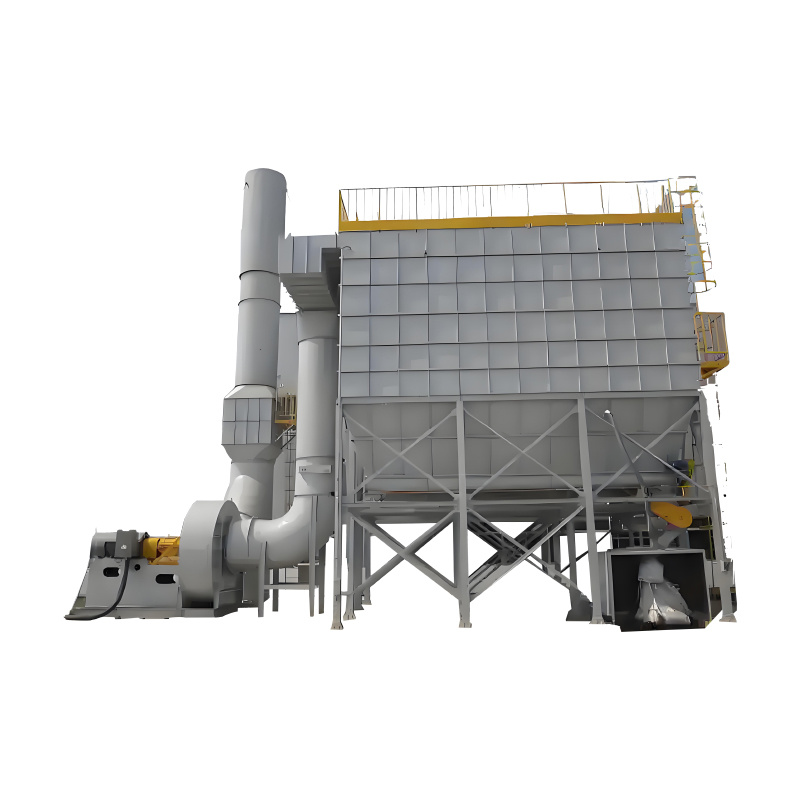
When flue gases pass through the ESP, discharge electrodes generate a high-voltage electric field. This field ionizes the particles in the gas stream, giving them a negative charge.
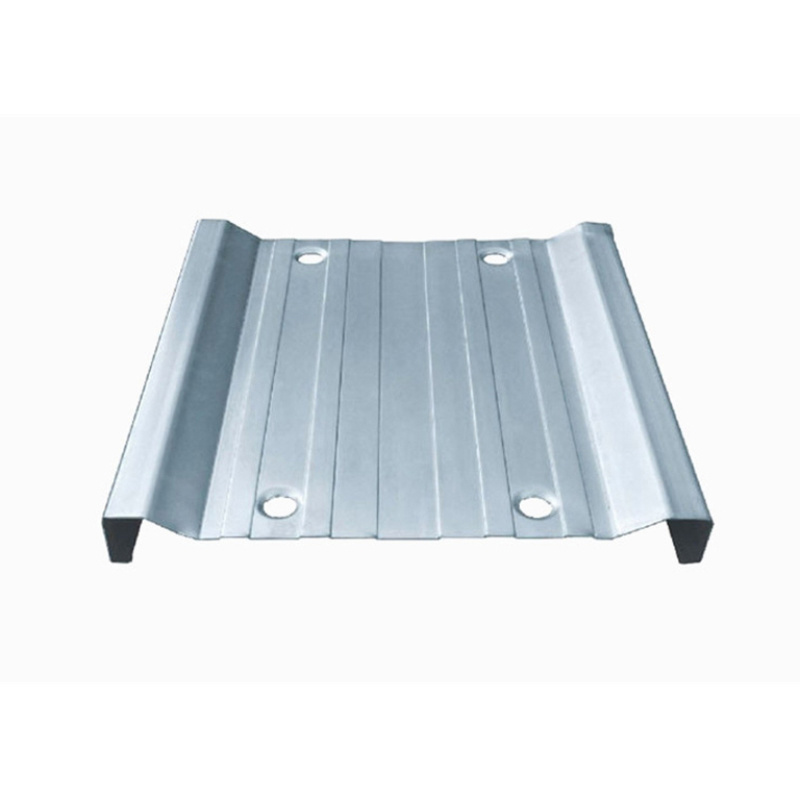
The charged particles are then drawn towards positively charged collection plates. As a result, these particles adhere to the plates, effectively removing them from the airflow and preventing them from being released into the atmosphere.
ESP systems operate continuously, allowing industries to maintain a consistent level of air quality. With periodic maintenance, these systems can offer reliable performance over an extended lifespan.
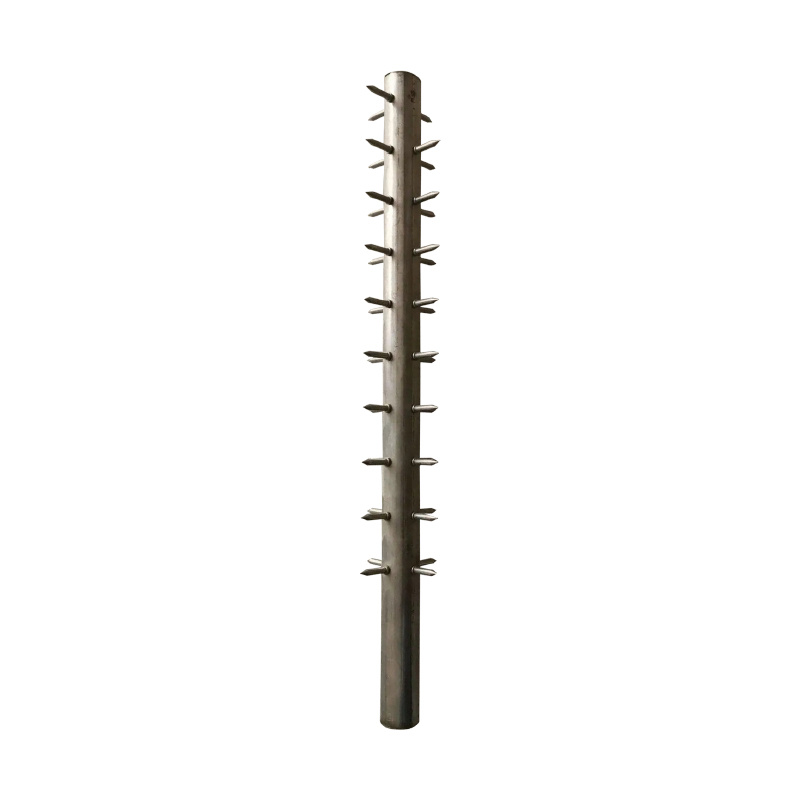
Typically, discharge electrodes come in various shapes, including wire and rod configurations. Each shape has its own advantages, with wire electrodes often providing a larger surface area for better ionization.
Common materials used for manufacturing discharge electrodes include stainless steel and nickel-coated materials. These materials are chosen for their durability, resistance to corrosion, and ability to withstand high temperatures—a critical factor in industrial applications.
In power plants, ESPs are crucial for controlling emissions from coal and gas combustion processes. By effectively capturing ash and other particulates, they help meet stringent environmental regulations.
The cement industry generates significant dust and particulate emissions. ESP discharge electrodes are installed to mitigate these emissions, contributing to improved air quality and compliance.
Industries face increasing scrutiny regarding air pollution. By utilizing ESP technology, companies can ensure compliance with local and international regulations, avoiding hefty fines and potential shutdowns.
Although the initial investment in an ESP system may be considerable, the long-term savings achieved through reduced emissions and enhanced operational efficiency often outweigh these costs.
As industries continue to evolve, so will ESP technology. Innovations in materials and design will likely lead to improved efficiencies and effectiveness in capturing particulate matter. Moreover, the integration of smart technologies, such as real-time monitoring and automation, will enhance the performance of ESP systems, making them indispensable tools in achieving cleaner air.
Hot Tags:
PREVIOUS:


Contact Us
Tel:
WeChat:
WhatsApp:
E-mail:
Address:
338 National Road South, Longfengdian Village, Botou City, Hebei Province, China
JiuznTomine is expertly delivering technically complicated projects in markets & provides custom solutions for their customized need.


CONTACT INFO
Tel: +86 18531710311
WeChat: +86-18531710311
338 National Road South, Longfengdian Village, Botou City, Hebei Province, China