











Dust collector introduction: How many types of industrial dust collector equipment are there?
Aug 16,2025
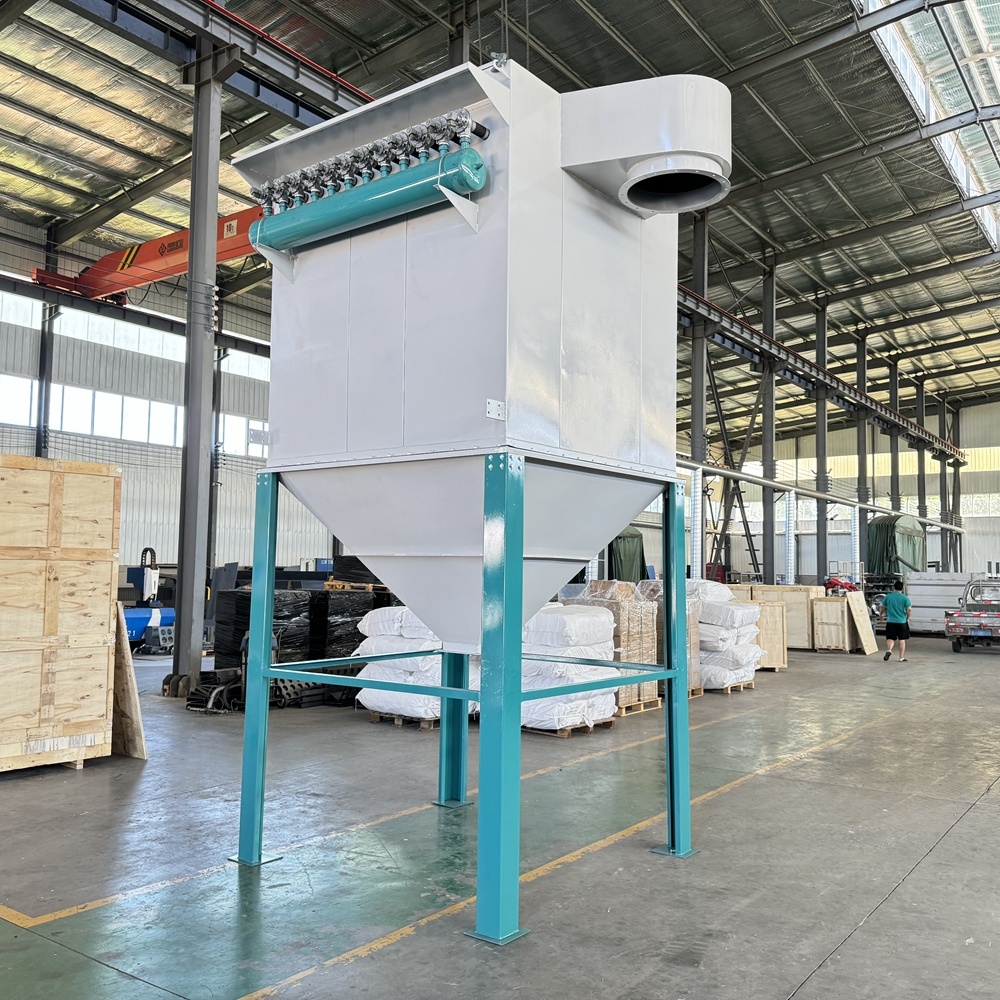
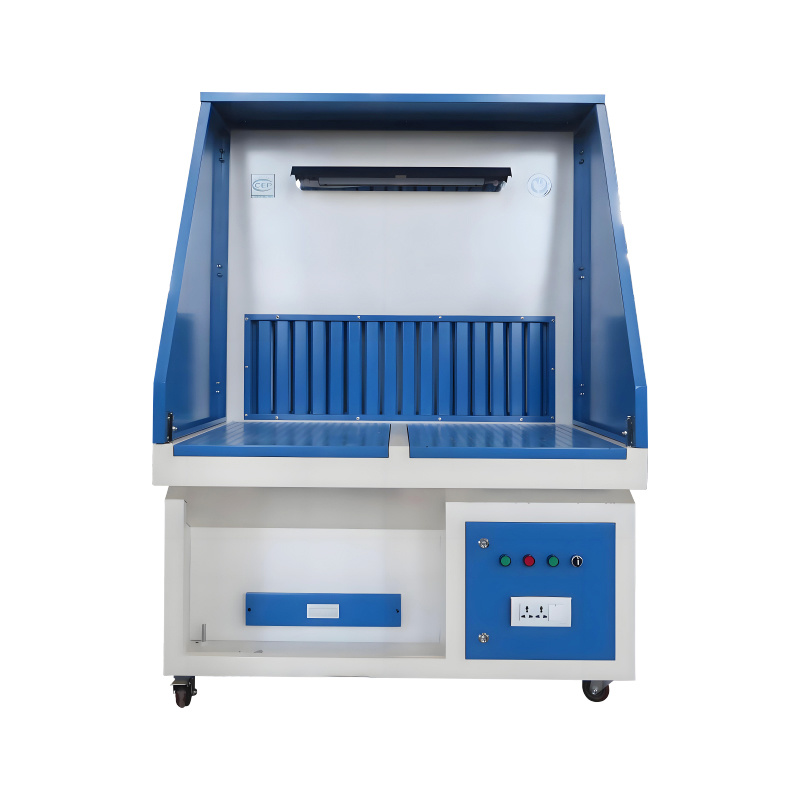
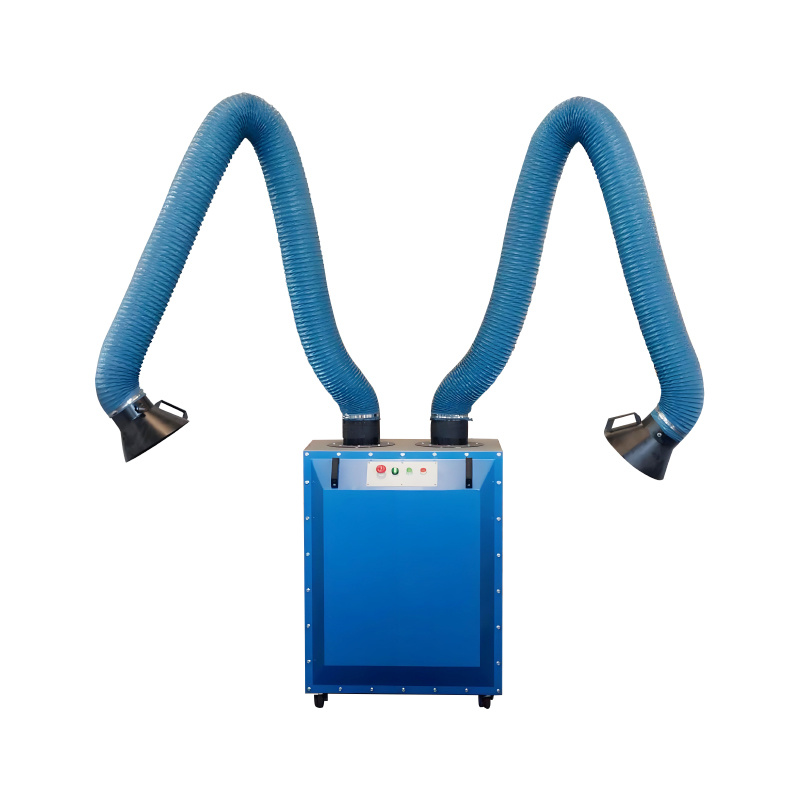
Industrial dust collectors are the core equipment for controlling dust emissions and achieving environmental standards in industrial production. The classification of their types should be based on dust characteristics, working conditions, and target market standards. For foreign trade enterprises, clarifying the main types and adaptation scenarios of industrial dust collectors is the key to choosing compliant equipment and breaking through international environmental barriers.
1、 First understand the dust collector: its core function and selection logic
The core of industrial dust collectors is to remove dust from gases during production through technologies such as filtration, separation, and purification, achieving two major goals:
1. Workshop cleanliness: Control the dust concentration in the workshop (such as the EU requirement of ≤ 10mg/m ³) to ensure the health of employees;
2. Standard emissions: The concentration of exhaust dust meets the target country standards (such as the US EPA ≤ 5mg/m ³ and some Southeast Asian countries ≤ 30mg/m ³).
The selection should closely follow the three core parameters of "dust particle size, processing air volume, and temperature" - this is also the key basis for distinguishing different industrial dust collectors.
2、 How many types of industrial dust collector equipment are there? Detailed explanation of mainstream 3 categories
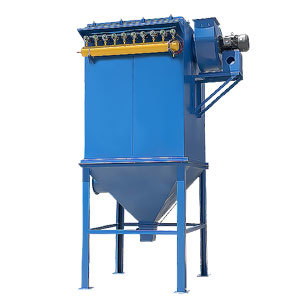
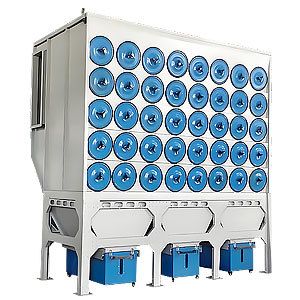
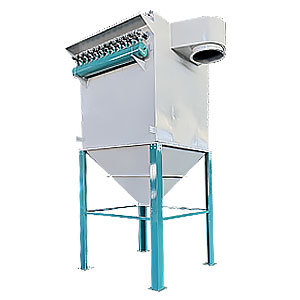
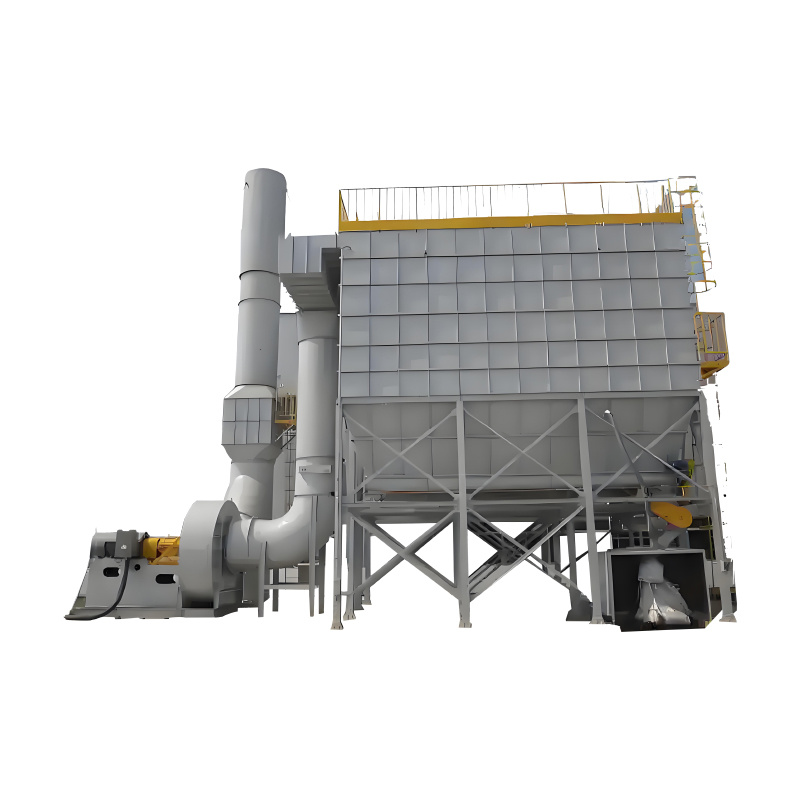
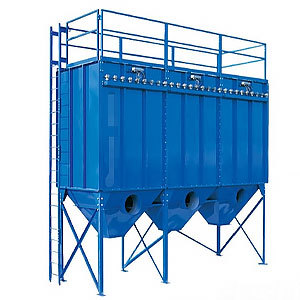
1. Bag filter: the benchmark model for fine dust control
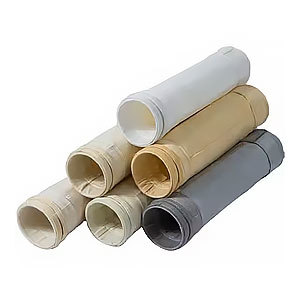
Principle: Use filter bags (made of polyester, aramid, and other materials) to intercept dust, and use pulse blowing to clean the dust. The removal rate of fine dust above 0.1 μ m can reach 99.9%;
Advantages: Suitable for room temperature/medium high temperature (≤ 260 ℃), high concentration dust, such as the electronics, food, and cement industries;
2. Electrostatic precipitator: the main model for high air volume and high temperature
Principle: The dust is charged by a high-voltage electric field, adsorbed onto the electrode plate, and then shaken off, with the main focus on "no filter material, low energy consumption";
Advantages: Capable of handling extremely large air volumes (100000 to 1 million m ³/h), with a temperature resistance of over 300 ℃, suitable for power plants and steel mills;
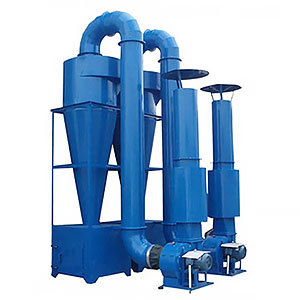
3. Cyclone dust collector: "economical" for coarse dust pretreatment
Principle: Use centrifugal force to shake off coarse dust particles larger than 10 μ m, with no filter material and a simple structure;
Advantages: The initial investment is only 50% of that of a bag filter, which is suitable for the pre-treatment of coarse dust in mines and quarries;
3、 Three key reminders for foreign trade selection
1. First, check the standards: for exports to the European Union, check CE first; for North America, check EPA; for emerging markets, confirm local environmental directives (such as Southeast Asian MOE standards);
2. Re matching conditions: fine dust is selected in a bag, high air volume is selected in an electrostatic precipitator, and low-cost coarse dust is selected in a cyclone;
The selection of types of industrial dust collectors is essentially a match of "working conditions+standards". For cross-border enterprises, choosing the right type can not only achieve environmental compliance, but also reduce cross-border operation and maintenance costs, becoming a "green gateway" to open up the international market.
Hot Tags:
PREVIOUS:


Contact Us
Tel:
WeChat:
WhatsApp:
E-mail:
Address:
338 National Road South, Longfengdian Village, Botou City, Hebei Province, China
JiuznTomine is expertly delivering technically complicated projects in markets & provides custom solutions for their customized need.


CONTACT INFO
Tel: +86 18531710311
WeChat: +86-18531710311
338 National Road South, Longfengdian Village, Botou City, Hebei Province, China