











What are the dust treatment equipment? One article on understanding mainstream types and adapting to foreign trade
Aug 15,2025

In industrial dust control, selecting suitable dust treatment equipment is the core to achieve environmental standards and ensure stable production. Different devices have their own advantages in terms of dust concentration, particle size, temperature, and other characteristics, and must meet the environmental standards of the target market.
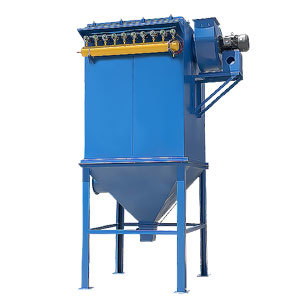
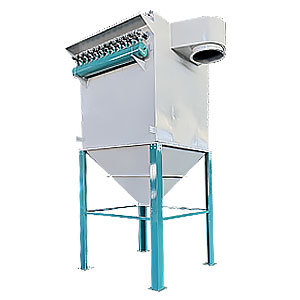
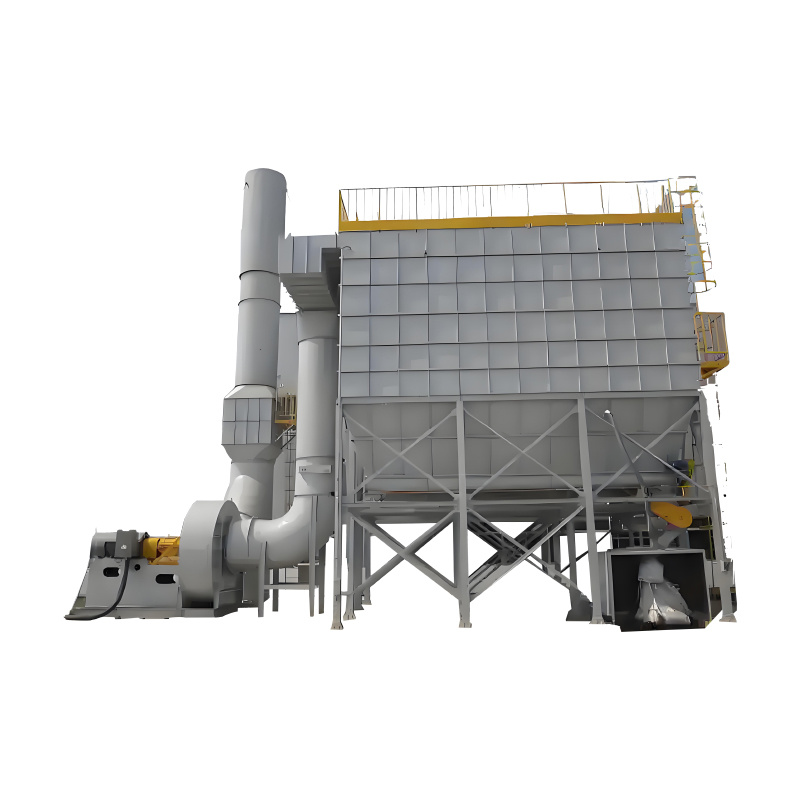
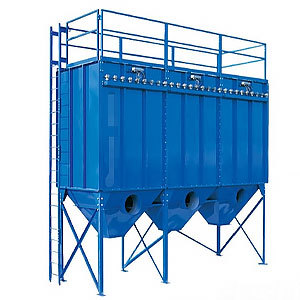
1、 Bag filter: the "high-efficiency benchmark" for fine dust treatment
Core principle
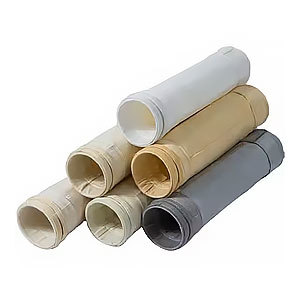
Dust is intercepted through filter bags, and when the dusty gas passes through the filter bag, the dust is trapped on the surface. After purification, the gas is discharged from the outlet; Regularly clean the dust in the filter bag to maintain efficiency, in conjunction with pulse blowing, counter blowing, and other cleaning methods.
Core advantages
The dust removal efficiency is extremely high: the removal rate of fine dust above 0.1 μ m reaches 99.9%, which can meet the strictest emission standards in the world.
Wide adaptability: Suitable for both normal and medium high temperature working conditions, it can handle viscous and toxic dust from industries such as chemical, electronics, and food.
Key points for foreign trade adaptation
Certification: EU CE (EN 13000) and US EPA certification are required, and the food industry must additionally comply with FDA hygiene standards.
Case: German automotive parts factories use it to treat welding dust, with emission concentrations stable below 3mg/m ³.
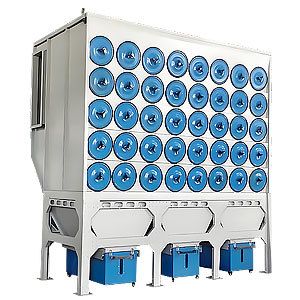
2、 Electrostatic precipitator: the "main equipment" for high air volume flue gas
Core principle
Using a high-voltage electric field to charge dust, the charged dust moves towards the electrode plate and deposits under the force of the electric field. The dust is shaken off to the ash hopper through a vibration device to complete purification.
Core advantages
High air volume processing: A single device can handle 100000-1 million m ³/h of flue gas, suitable for large-scale working conditions such as power plants and steel plants.
Low energy consumption: No need to replace filter media for dust cleaning, and the long-term operating cost is lower than that of bag filters.
Key points for foreign trade adaptation
Material: For highly corrosive flue gas, 316L stainless steel plates should be selected, which comply with the EU REACH material restrictions.
Case: American coal-fired power plants use it to treat boiler flue gas, reducing dust emissions from 30mg/m ³ to 5mg/m ³.
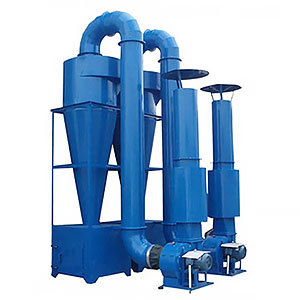
3、 Cyclone dust collector: the "economical choice" for coarse dust pretreatment
Core principle
The dusty gas enters the cylinder along the tangential direction, rotates at high speed to generate centrifugal force, and throws coarse dust of more than 10 μ m towards the cylinder wall. Under the action of gravity, it falls into the ash hopper, and after purification, the gas is discharged from the central exhaust pipe.
Core advantages
Low cost: No filter material, no high-voltage electric field, initial investment is only 50% of bag filter, low maintenance cost.
Simple structure: wear-resistant, easy to install, suitable for small and medium-sized enterprises or as a "pre-treatment equipment" (used with bag/electrostatic precipitator to reduce the load on the main equipment).
Key points for foreign trade adaptation
Scenario: Southeast Asian quarries and small mines in Africa use it to process stone dust, and a single machine can meet local emission standards.
Standard: Exporting to Russia must comply with GOST pressure vessel standards to ensure the strength of the cylinder wall.
4、 Three key foreign trade factors for selecting dust treatment equipment
1. Priority for working condition matching: Choose bag filter for fine dust and high standard emissions; High air volume, high-temperature electrostatic precipitator; Choose cyclone dust collector for coarse dust and low-cost requirements.
2. Standard compliance prerequisite: Confirm the target market certification (CE/EPA/GOST) in advance to avoid customs clearance obstacles.
Different dust treatment equipment have their own specialties, with the core being "on-demand selection". For foreign trade enterprises, it is not only necessary to pay attention to the dust removal efficiency of equipment, but also to ensure that it meets local environmental standards and operating conditions - this is not only the basis for achieving compliant production, but also the "green passport" to open up the international market.
Hot Tags:


Contact Us
Tel:
WeChat:
WhatsApp:
E-mail:
Address:
338 National Road South, Longfengdian Village, Botou City, Hebei Province, China
JiuznTomine is expertly delivering technically complicated projects in markets & provides custom solutions for their customized need.


CONTACT INFO
Tel: +86 18531710311
WeChat: +86-18531710311
338 National Road South, Longfengdian Village, Botou City, Hebei Province, China