

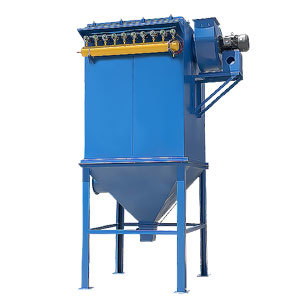
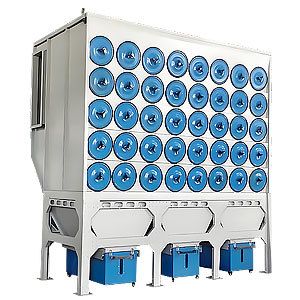
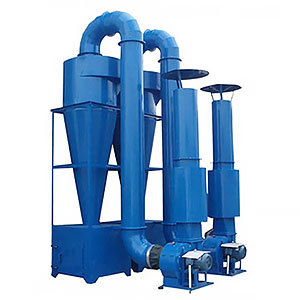

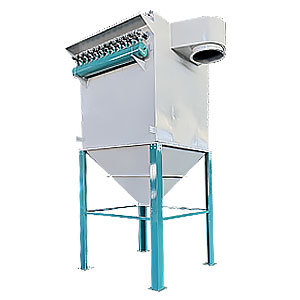
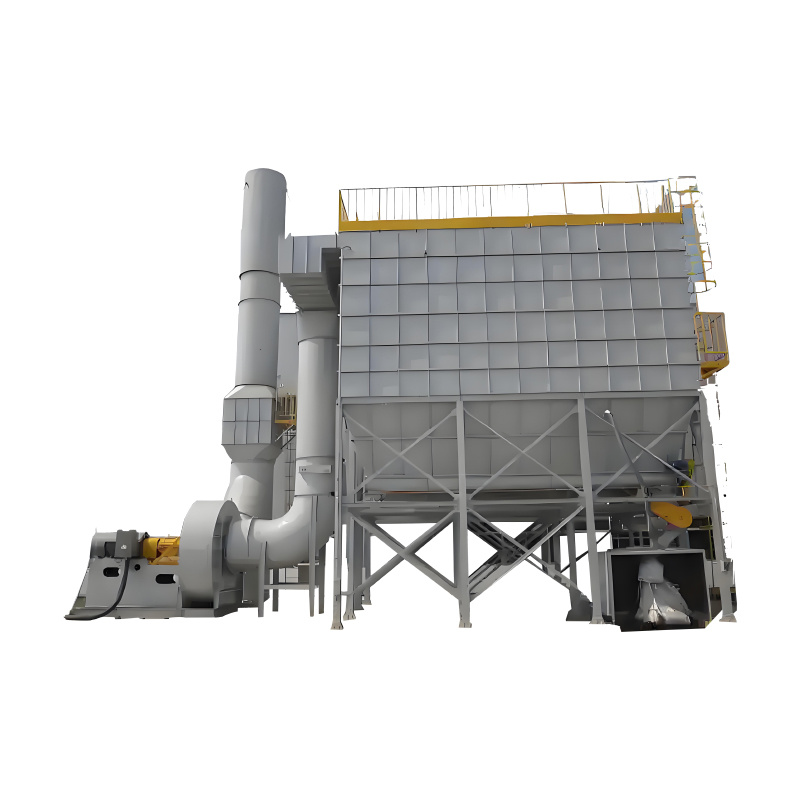
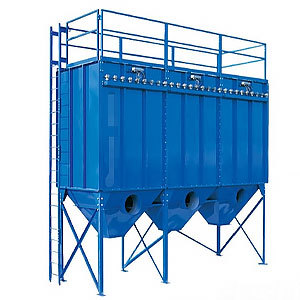
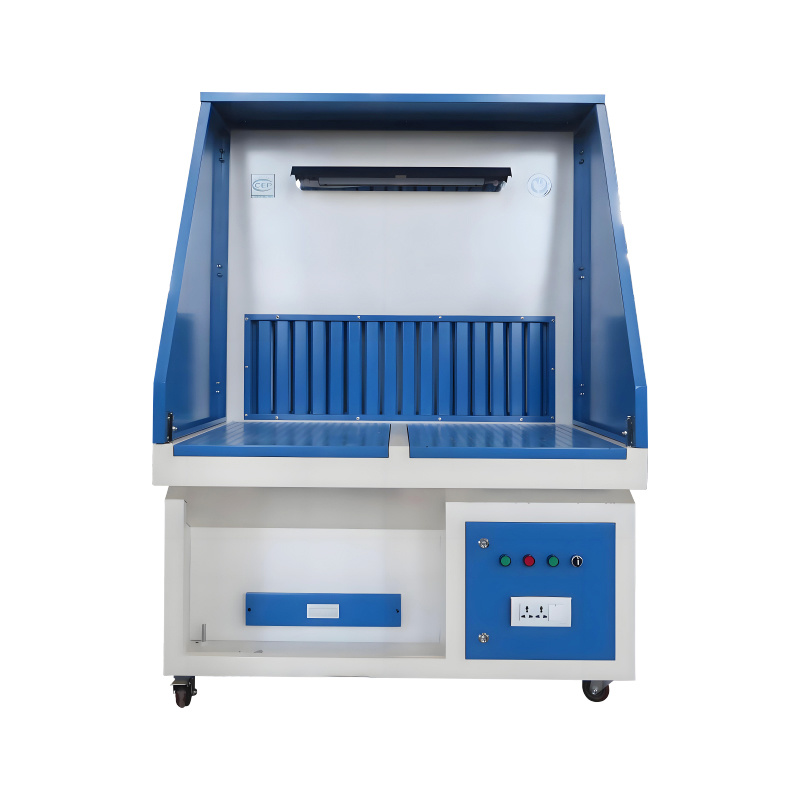
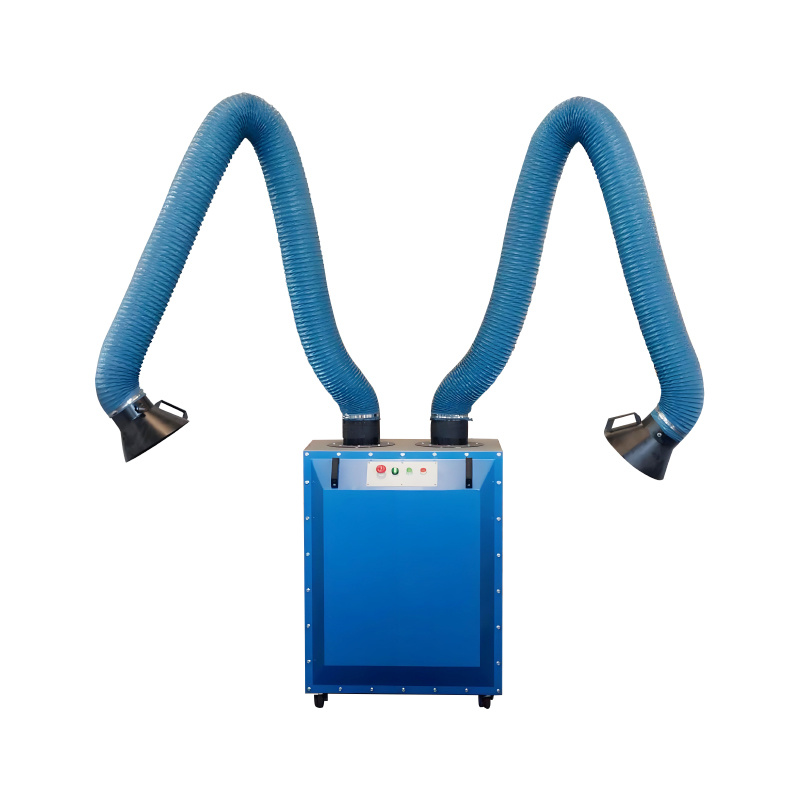









What issues should the cement industry pay attention to when purchasing dust collectors?
Aug 02,2025

The cement industry is a key area of dust pollution, from raw material crushing and grinding to cement calcination and packaging leaving the factory, every step is accompanied by a large amount of high concentration and high hardness dust. Choosing a suitable dust collector is not only related to meeting environmental standards, but also affects production efficiency and equipment lifespan. Considering the characteristics of the cement industry, the following issues should be focused on when purchasing:
1、 Adapt to dust characteristics and solve core pain points
Cement dust has the characteristics of fine particle size (mostly 1-10 μ m), high hardness, and alkaline content, and is prone to agglomeration due to electrostatic adsorption during the production process. When making a purchase, priority should be given to:
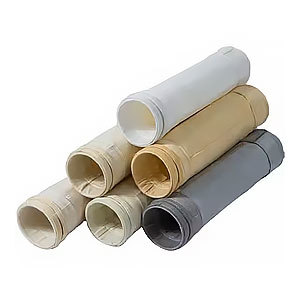
1) Filtering accuracy: Select equipment with a capture efficiency of over 99.9% for submicron dust to avoid the penetration and emission of fine dust; The filter material should have anti-wear performance, such as using needle punched felt filter bags with wear-resistant surface treatment to cope with the continuous erosion of dust.
2) Anti adhesion ability: Dust contains free calcium and other components, which are prone to agglomeration when exposed to moisture. It is necessary to ensure the high efficiency of the dust removal system, and the filter material should be made of hydrophobic materials to reduce dust adhesion and blockage.
2、 Match working condition parameters to avoid "small horses pulling big cars"
The production conditions of cement are complex, with significant differences in temperature, air volume, and dust concentration at different stages
1) Temperature adaptation: The flue gas temperature at the kiln head, kiln tail and other links can reach 150-250 ℃. High temperature resistant filter materials should be selected, and temperature monitoring and warning systems should be equipped to prevent equipment damage caused by instantaneous high temperatures; At room temperature conditions such as raw material warehouses and packaging workshops, conventional polyester filter materials can be used to reduce costs.
2) Air volume matching: Calculate the required processing air volume based on the production line capacity, ensuring that a 10% -20% margin is reserved for the designed air volume of the dust collector to avoid dust overflow due to insufficient air volume.
3) Impact resistance: The dust concentration in the raw material crushing process can reach 500-1000g/m ³, and a pre-treatment device needs to be added before the dust collector to reduce the load on the main equipment and extend the life of the core components.
3、 Compliant with environmental standards and taking into account international market requirements
The environmental protection policies in the cement industry are becoming increasingly strict, and when choosing, it is necessary to consider domestic and international standards:
1) Domestic standards: It is required to meet the requirement of particulate matter emission concentration ≤ 30mg/m ³ in the "Emission Standards for Air Pollutants in the Cement Industry", and key areas must meet the ultra-low emission standard of ≤ 10mg/m ³.
2) International standards: Production lines exported to the European Union, the United States, and other regions must comply with local standards (such as the particle emission limit of 10mg/m ³ in the cement industry in the EU Industrial Emission Directive and ≤ 30mg/m ³ in the US EPA standard). When purchasing, it is necessary to confirm the compatibility between the equipment testing report and the target market certification.
4、 Emphasize operational convenience and reduce long-term costs
The large amount of dust and high operating load of equipment in cement plants directly affect the continuity of production due to the convenience of maintenance
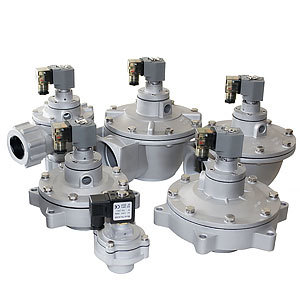
1) Replacement of vulnerable parts: Choose equipment with high standardization of vulnerable parts such as filter bags and dust cleaning valves for quick replacement; Prioritize structural design that supports online maintenance to avoid downtime and maintenance affecting production.
2) Intelligent configuration: It is recommended to equip with online monitoring of dust concentration and equipment failure warning system to monitor the operating status in real time; The dust cleaning system can choose frequency conversion control to automatically adjust the dust cleaning frequency according to the dust concentration, reducing energy consumption.
5、 Corrosion resistance and durability, suitable for harsh environments
The alkaline components in cement dust can corrode equipment for a long time, and the production environment is often accompanied by high temperature and high humidity. When choosing, attention should be paid to:
1) Equipment material: The shell, pipeline and other components are made of acid and alkali resistant steel or treated with anti-corrosion coating; The slope of the ash hopper should be ≥ 60 ° to avoid dust accumulation and corrosion.
2) Sealing performance: Check the sealing design of connections such as doors and flanges, using high-temperature and aging resistant sealing materials to prevent air leakage and reduce dust removal efficiency.
The selection of dust collectors in the cement industry should focus on "adaptability", taking into account the characteristics of the production process, environmental standards, and operational needs. For foreign trade business, it is also necessary to understand the technical specifications and certification requirements of the target market in advance, to ensure that the equipment can not only solve the dust problem, but also help the enterprise smoothly explore the international market.
Hot Tags:
PREVIOUS:


Contact Us
Tel:
WeChat:
WhatsApp:
E-mail:
Address:
338 National Road South, Longfengdian Village, Botou City, Hebei Province, China
JiuznTomine is expertly delivering technically complicated projects in markets & provides custom solutions for their customized need.


CONTACT INFO
Tel: +86 18531710311
WeChat: +86-18531710311
338 National Road South, Longfengdian Village, Botou City, Hebei Province, China