












Characteristics and treatment methods of dust in thermal power plants
Jul 24,2025

Thermal power plants generate a large amount of dust during processes such as coal combustion, coal powder preparation, and ash treatment. This dust not only affects equipment operating efficiency but also poses a serious threat to the environment and human health. Understanding the characteristics of dust in thermal power plants and adopting scientific treatment methods is the core task for thermal power plants to achieve environmental standards and efficient production.
Characteristics of dust in thermal power plants
1. Complex composition, containing corrosive substances
The dust in thermal power plants mainly comes from coal combustion, including coal powder particles, fly ash, unburned carbon, as well as small amounts of sulfides, nitrogen oxides, etc. Among them, sulfides combine with water vapor to form acidic substances, which corrode dust removal equipment and pipelines; The hard particles in fly ash have strong wear resistance and can shorten the service life of equipment.
2. High temperature and large fluctuation range
The temperature of the flue gas emitted from coal-fired boilers is usually between 120-250 ℃, and under some operating conditions, the temperature can rise to over 300 ℃; The dust temperature in the ash cooling and conveying process is relatively low. This temperature fluctuation imposes strict requirements on the temperature resistance performance of dust removal equipment, and ordinary filter materials are difficult to adapt to high temperature environments.
3. High concentration and wide particle size distribution
The dust concentration in the coal powder preparation process can reach 5000-10000mg/m ³, and the boiler flue gas still has 1000-3000mg/m ³ after initial purification; The particle size range of dust is large, ranging from ultrafine particles of 0.1 microns to coarse particles of several hundred microns. Among them, dust particles below 10 microns account for more than 60% and are easily suspended in the air, making it difficult to control.
4. Some dust has viscosity
When the humidity of the flue gas is high, dust is prone to adsorb water vapor and form viscous particles, which adhere to the surface of the filter material or pipeline, causing equipment blockage, increased resistance, and affecting filtration efficiency.
Treatment methods for dust in thermal power plants
1. Source control: reduce dust generation and overflow
Sealed production: Install sealed covers at equipment such as coal powder silos, coal feeders, and ash conveyors to prevent dust spillage through negative pressure suction.
Optimize combustion process: reduce the generation of unburned carbon particles by improving the boiler combustion method; Control the uniformity of coal particle size to avoid the flying of ultra-fine coal powder during transportation.
2. End of pipe purification: efficient removal of dust
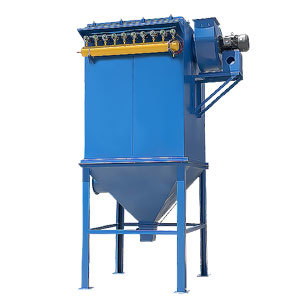
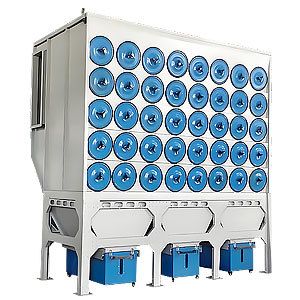
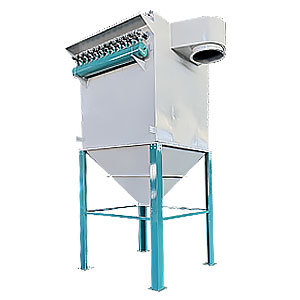
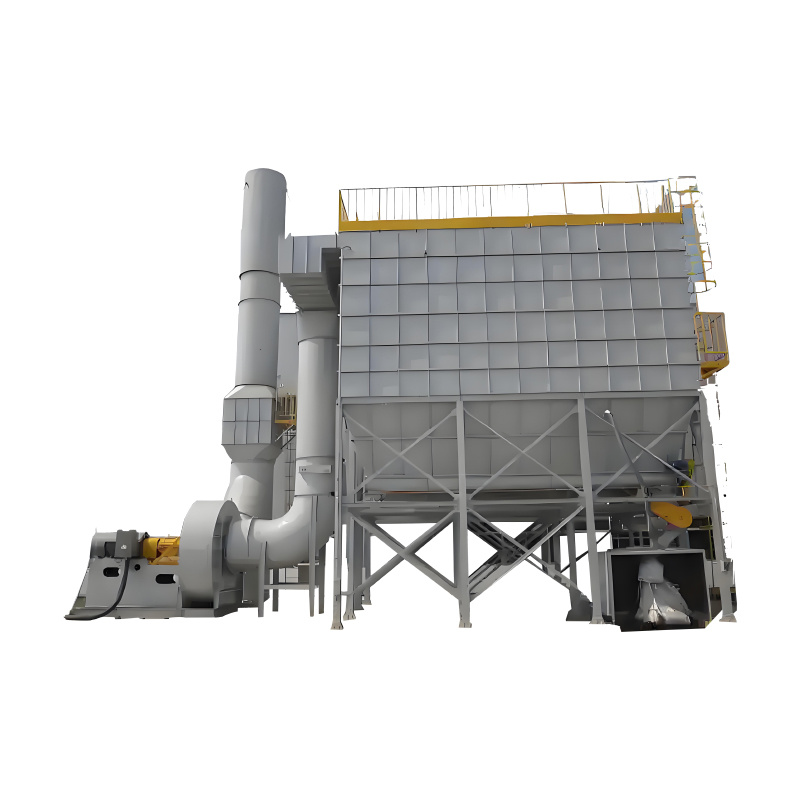
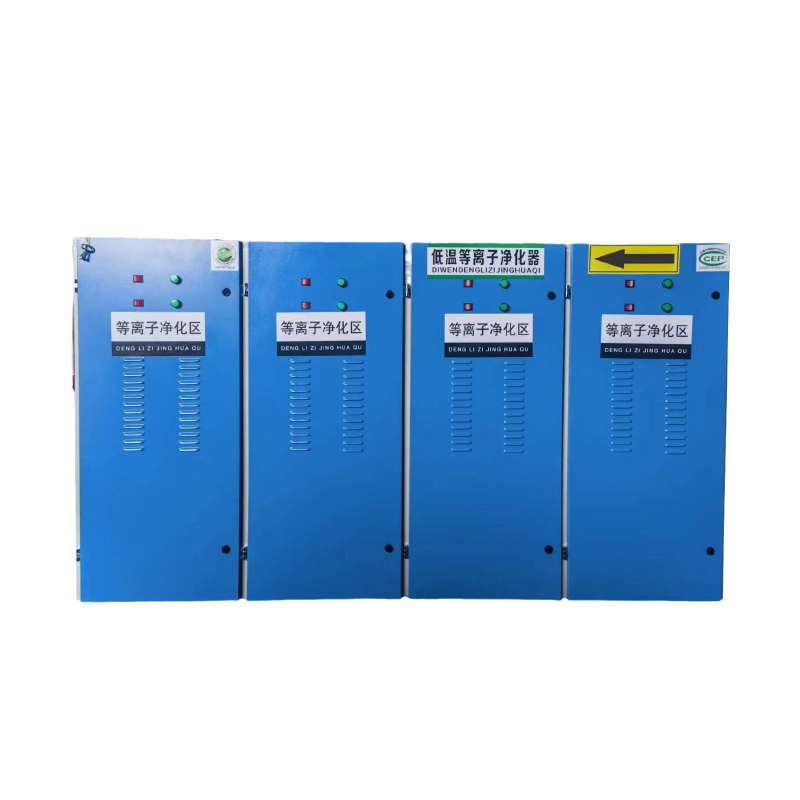
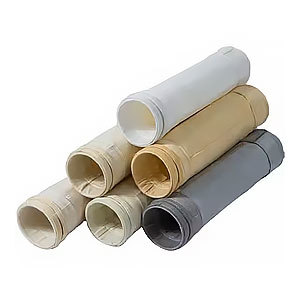
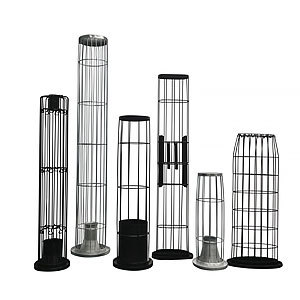
Electric bag composite dust collector: Combining the advantages of electrostatic dust removal and bag dust removal, it is suitable for high concentration and high temperature flue gas treatment. The front stage electric field first removes 70% -80% of coarse particulate dust, reducing the load on the rear stage filter bag; The secondary filter bag is made of P84 or PTFE material that is resistant to high temperature and acid alkali, with a filtration efficiency of up to 99.99%, and the dust emission concentration can be controlled below 5mg/m ³. The equipment casing is made of 316L stainless steel material, which is resistant to acidic corrosion.
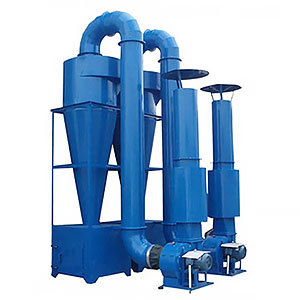
Combination of cyclone dust collector and wet dust collector: For low-temperature and high humidity conditions such as ash treatment, the cyclone dust collector is first used to separate large particles of dust, and then the wet dust collector is used to remove fine particles and acidic substances, while reducing the flue gas temperature. It is suitable for auxiliary dust removal systems in small and medium-sized thermal power plants.
3. Targeted treatment of high temperature and high humidity dust
High temperature pretreatment: Install a cooling device in front of the dust removal equipment to stabilize the flue gas temperature within the temperature range of the filter material and prevent the filter bag from burning out.
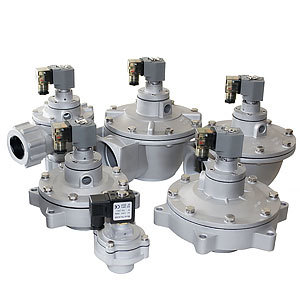
Anti sticking treatment: Apply anti sticking coating to the filter bag to reduce the adhesion of sticky dust; The dust cleaning system adopts a high-frequency high flow pulse valve, and the injection pressure is increased to 0.7-0.9MPa to enhance the dust cleaning effect and prevent filter bag blockage.
The dust treatment in thermal power plants needs to take into account multiple characteristics such as high temperature, high concentration, and corrosiveness. Through a combination of "source control+end purification+special treatment", suitable dust removal equipment is selected and operation and maintenance management is strengthened to meet strict environmental requirements and ensure efficient and stable operation of the equipment.
Hot Tags:


Contact Us
Tel:
WeChat:
WhatsApp:
E-mail:
Address:
338 National Road South, Longfengdian Village, Botou City, Hebei Province, China
JiuznTomine is expertly delivering technically complicated projects in markets & provides custom solutions for their customized need.


CONTACT INFO
Tel: +86 18531710311
WeChat: +86-18531710311
338 National Road South, Longfengdian Village, Botou City, Hebei Province, China